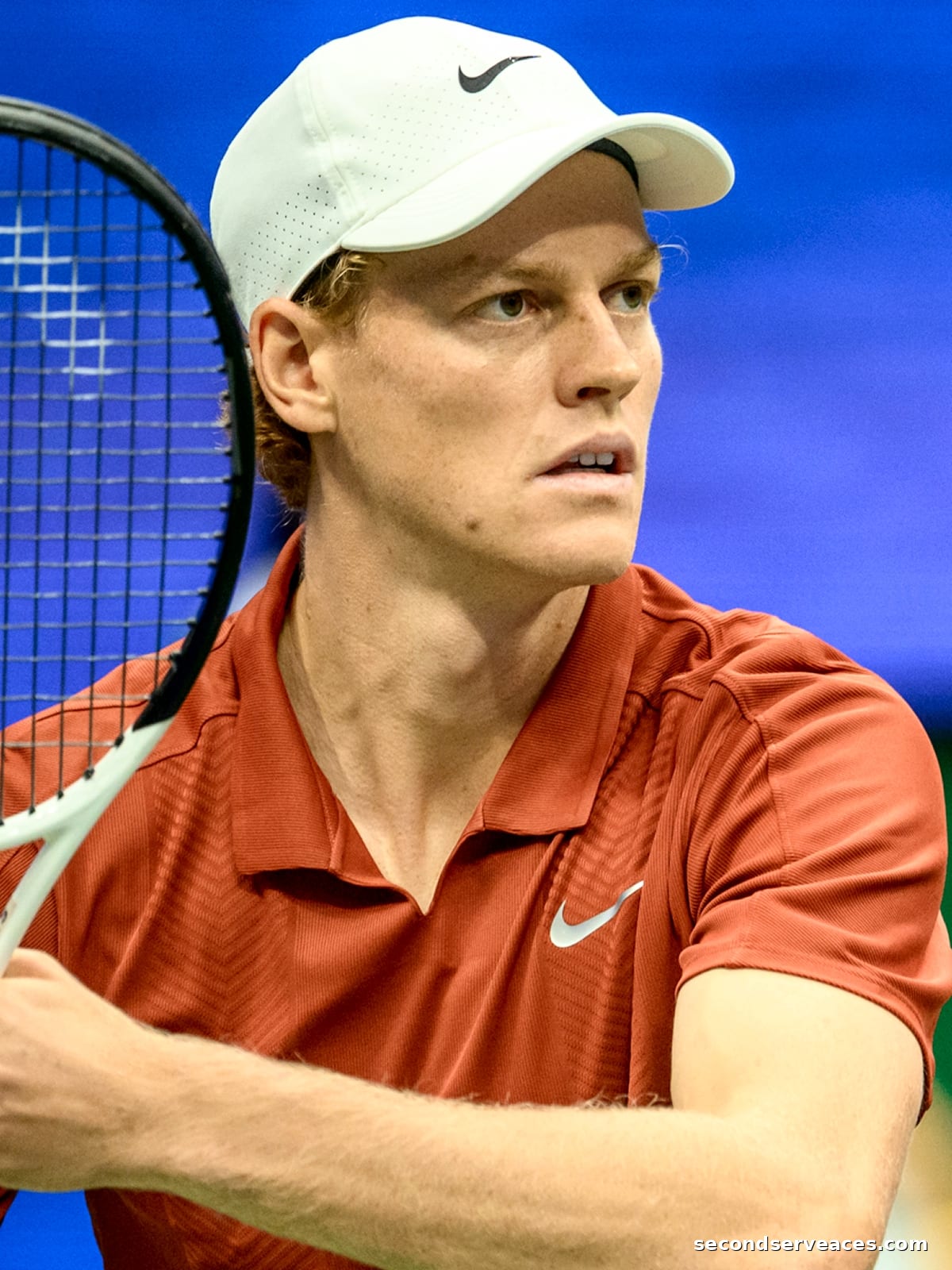
The Million-Dollar Standoff: Slams Capitulate to Star Power
In the grand, illustrious tapestry of our sport, the tension between those who wield the rackets and the administrators in their pristine blazers is as old as the Open Era itself. The four major bastions of tennis have finally capitulated, agreeing to establish a formal player advisory council. This administrative concession aims to defuse a simmering, eighteen-month dispute over prize money distribution that has threatened the decorum of the sport's most prestigious stages.
Listen to the Second Serve Podcast
Get our daily AI-synthesized audio briefings and match reviews on the go.
Led by the current standard-bearers of the singles game, including the refined Italian Jannik Sinner and the powerful Belarusian Aryna Sabalenka, the players have demonstrated a collective resolve reminiscent of the historic 1973 Wimbledon boycott. For nearly a year and a half, these athletes have quietly but firmly challenged the economic status quo. The creation of this advisory council marks a significant shift in leverage, forcing the traditionally aloof Grand Slam committees to negotiate directly with the labor force that fills their grandstands.
"This council represents a necessary modernization of our dialogue with the sport's greatest assets," observed Craig Tiley, speaking on behalf of the major tournaments. The hope is that this new forum will prevent the kind of administrative friction that has increasingly spilled over into public view. By formalizing this channel, the majors hope to preserve their pristine autumn schedules without the looming threat of player mutiny or further media blackouts.
Inside the Ledger: The Disparity Between Club Revenue and Player Pay
To understand the players' grievances, one must look closely at the balance sheets of these historic institutions. Historically, the All England Lawn Tennis Club has offered a distribution model that players now openly reject. During the most recent championships at Wimbledon, the prize money pool represented a mere 14.4% of the tournament's total revenue, a figure that the player cohort views as an archaic pittance.
The players are demanding a standardized 22% share of gross tournament revenues, a figure that would align the majors with the standard revenue-sharing models currently utilized on both the ATP and WTA tours. This discrepancy has long been a point of contention for players who risk their physical well-being on the court while the governing bodies reap record-breaking corporate windfalls. The players argue that without their physical exploits, the lucrative television contracts and corporate hospitality suites would cease to exist.
While the majors point to their massive infrastructure investments and grassroots funding as justification for keeping the lion's share, the players remain unmoved. The modern professional circuit demands immense financial outlays for coaching staff, physiotherapists, and travel, making the financial struggle real for those outside the elite top ten. This structural imbalance has forced even the game's top stars to stand in solidarity with their lower-ranked peers to demand equitable compensation.
Media Silences and Locker Room Solidarity
The dispute reached a dramatic boiling point earlier this season in Paris. At the French Open in May, several leading competitors took the extraordinary step of withdrawing from contracted media activities to protest the ongoing financial impasse. This silent protest sent shockwaves through the press room, reminding administrators that the players' cooperation extends beyond the lines of the court.
The media boycott was a calculated maneuver that highlighted the players' leverage. By refusing to participate in post-match press conferences, the athletes directly impacted the broadcasters and journalists who amplify the tournament's global reach. This collective action proved that the modern player is no longer willing to quietly accept the terms dictated by the tournament directors.
This unified front has been bolstered by the consistent excellence of the game's top stars. As we noted in our coverage of how Sabalenka wins her matches with relentless power, the Belarusian and her peers have used their sporting dominance to command attention off the court. Their willingness to risk fines and administrative wrath has successfully forced the Grand Slam committees to the negotiating table.
The Economic Ripple Effect: Rising Costs and the Threat to Grand Slam Attendance
This financial tug-of-war occurs against a backdrop of unprecedented revenue generation, particularly at the upcoming US Open, where the total prize money pool is expected to exceed $100 million for the first time in tennis history. Yet, while the total purse reaches historic heights, the average spectator is finding themselves priced out of the spectacle. The economic burden of these escalating budgets is increasingly being shifted onto the shoulders of the fans.
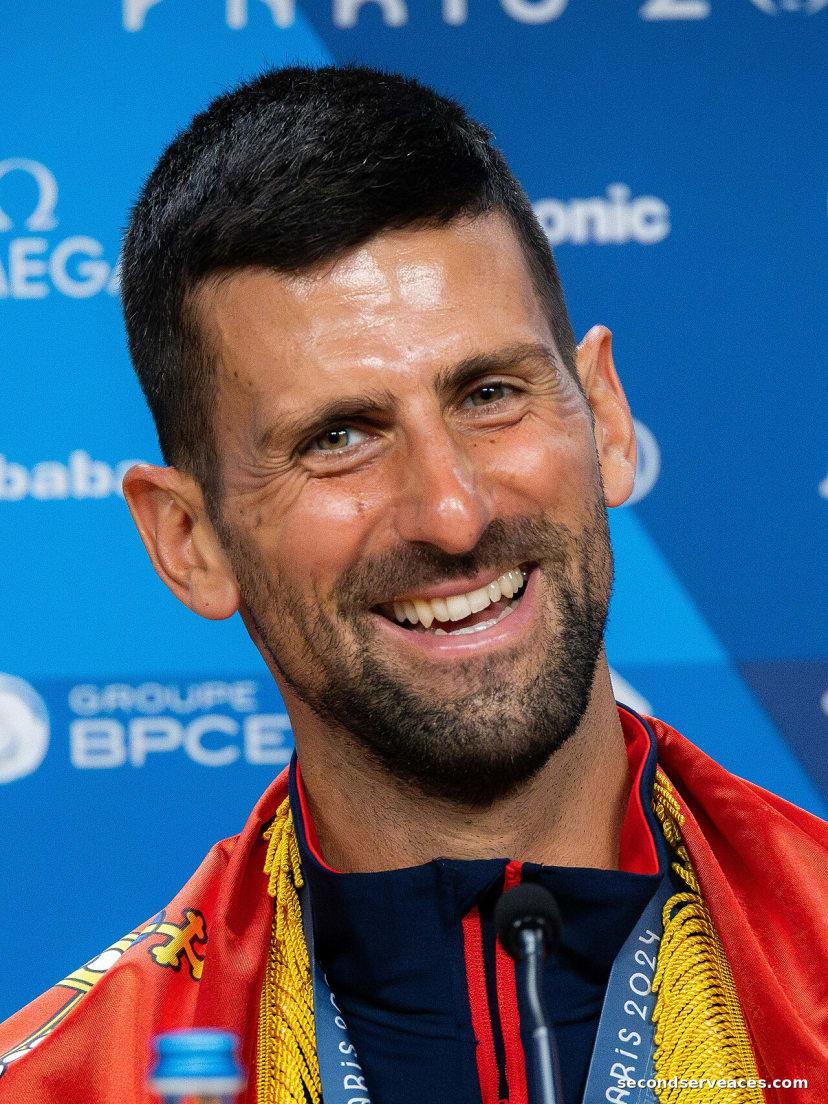
Indeed, as detailed in our analysis of how Djokovic and Williams fans face extreme US Open ticket prices, ground passes for the opening rounds have skyrocketed. On secondary ticket platforms like StubHub, prices have soared to over $350, compared to a face value of just $150. This dramatic ticket inflation has sparked concerns among fan organizations, who warn that the sport is alienating its core middle-class audience and leaving the upper decks of Arthur Ashe Stadium visibly sparse during early-round sessions.
The challenge moving forward for the newly formed advisory council will be to balance player compensation with fan accessibility. If the majors continue to fund these record-breaking prize pools by squeezing the average ticket buyer, they risk eroding the vibrant, democratic atmosphere that has defined the US Open for decades. The blazers in the boardrooms and the athletes on the court must realize that the ultimate health of the sport relies not just on the millions distributed to the players, but on the fans who buy the tickets.
Rivalry Matchup & Player Profiles
| Metric | Jannik Sinner | Aryna Sabalenka |
|---|---|---|
| Rank | 1 | 1 |
| Age | 25 | 28 |
| Country | Italy | Belarus |
| Height | 1.91 m (6 ft 3 in) | 1.82 m (6 ft 0 in) |
| Handedness | Right-handed | Right-handed |
| Play Style | Aggressive baseliner | Aggressive baseliner |
| Career Titles | 30 | 24 |
Since Jannik Sinner competes on the men's ATP Tour and Aryna Sabalenka competes on the women's WTA Tour, they have never faced each other in a professional head-to-head match. However, both currently sit at the pinnacle of their respective domains as world number ones, showcasing the immense influence they hold when uniting for labor reform. Their shared status as elite baseline powerhouses underscores the unified front that has brought the Grand Slam administrators to their knees.
While Sinner's smooth, effortless timing from the backcourt contrasts with Sabalenka's raw, thunderous intensity, both players exhibit the modern athletic ideal that draws millions of fans to the stadiums. As the sport transitions into this new era of player-led governance, the success of the advisory council will heavily depend on the leadership of these two dominant champions.
What Jannik Sinner Plays With
Head Speed MP 2024
Head Hawk Touch 1.25
Head Prime Tour (12-Pack)
Nike GP Challenge 1
Analyze Jannik Sinner vs. Aryna Sabalenka
Predict tactical adjustments, momentum swings, and serve strategy options for this match-up using our AI simulator.
The Aces Tactical Panel
This report was curated and edited by Bhaskar Goel. Tactical analysis and technical insights were provided by our specialized panel of expert correspondents.
Julian Price
Senior Tactical Correspondent
Stuffy, pedantic British academic and historian specializing in match momentum and historical context.
Elena Cruz
Director of Analytical Research
Data scientist specializing in court surface physics and movement patterns.
Bhaskar
The Editor & Fan
Passionate tennis player and site editor bringing everyday amateur insights and relatable fan commentary.
Arthur Vance
Senior Existential Analyst
Deep, eccentric, and DFW-inspired. Models court metaphysics, kinetic beauty, and player psychology.
Leo Sterling
High-Performance Consultant
Hard-nosed ex-trainer from Melbourne with a no-nonsense view on tour fitness.
Related Reports

Quick Answers
Why did the Grand Slams agree to establish a player advisory council?+
The majors agreed to the council to defuse an 18-month dispute over prize money distribution with leading players, including Jannik Sinner and Aryna Sabalenka.
What percentage of revenue are tennis players demanding from Grand Slams?+
Players are demanding a 22% share of total revenues to match the standard revenue-sharing models of the ATP and WTA tours, whereas Wimbledon currently offers only 14.4%.
How is the prize money dispute affecting ticket prices for fans?+
To fund rising prize pools like the record $100 million at the US Open, tournaments have increased ticket costs, driving secondary market ground passes to over $350.