A Southern Belle of the Court
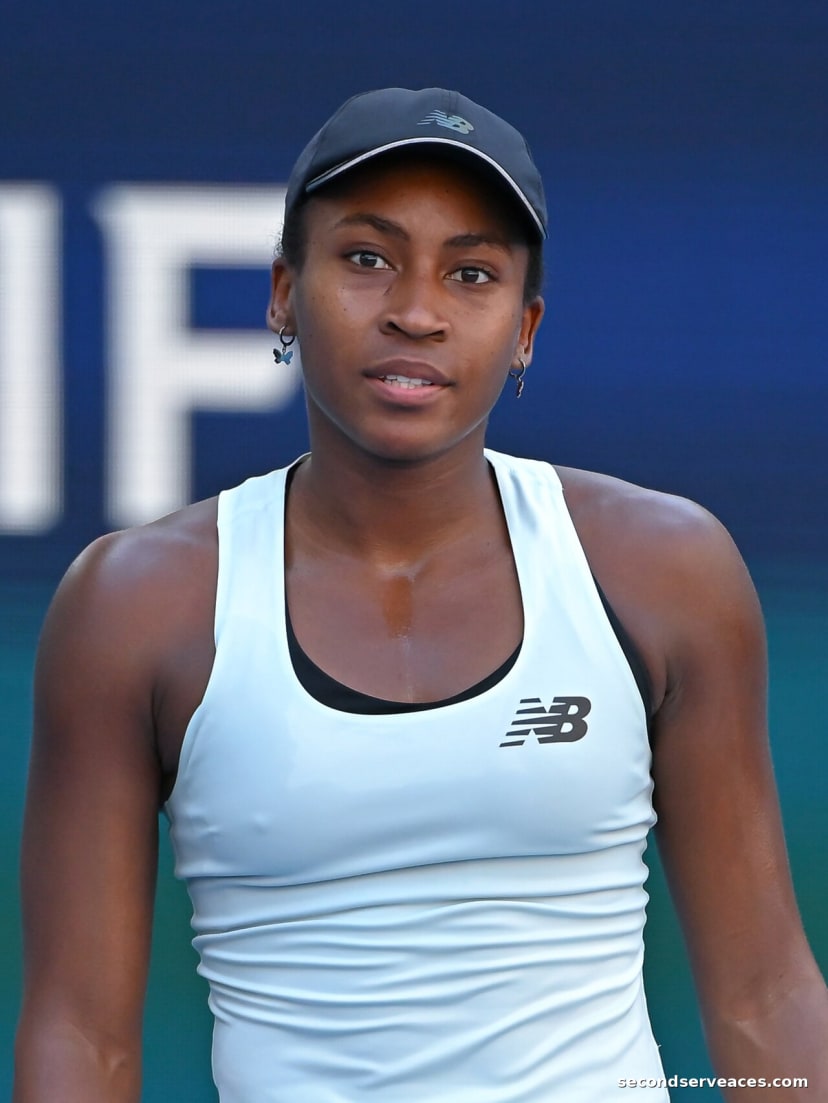
There is a specific cadence to the clay court season—a rhythmic, dusty grind that separates the true tacticians from the pure power-hitters. In Charleston, Jessica Pegula played with the composure of a grandmaster. Defeating Yuliia Starodubtseva in a swift 6-2, 6-2 finish, Pegula continues to refine her already impressive 2026 campaign, now sitting at a formidable 24-4 record. While Starodubtseva leaves South Carolina with a handsome $218,225 runner-up purse, it was Pegula who owned the baseline, dictating the geometry of the court with a clinical, unyielding precision.
Listen to the Second Serve Podcast
Get our daily AI-synthesized audio briefings and match reviews on the go.
The Tactical Breakdown
At the professional level, the secret to clay success lies in the ability to marry patient construction with aggressive transition. Pegula’s approach relies on deep, heavy topspin balls that push opponents well behind the baseline, effectively shrinking their window to hit a clean winner. By neutralizing the pace of the ball, she forces her opponents to generate their own momentum, a recipe that often leads to forced errors.
- Rally Tolerance: Pegula exhibits a high baseline stability, preferring to draw the error through deep, angled groundstrokes rather than chasing the lines prematurely.
- Court Geometry: By moving opponents from corner to corner, she opens up short-angled winners that capitalize on the slower movement inherent on clay surfaces.
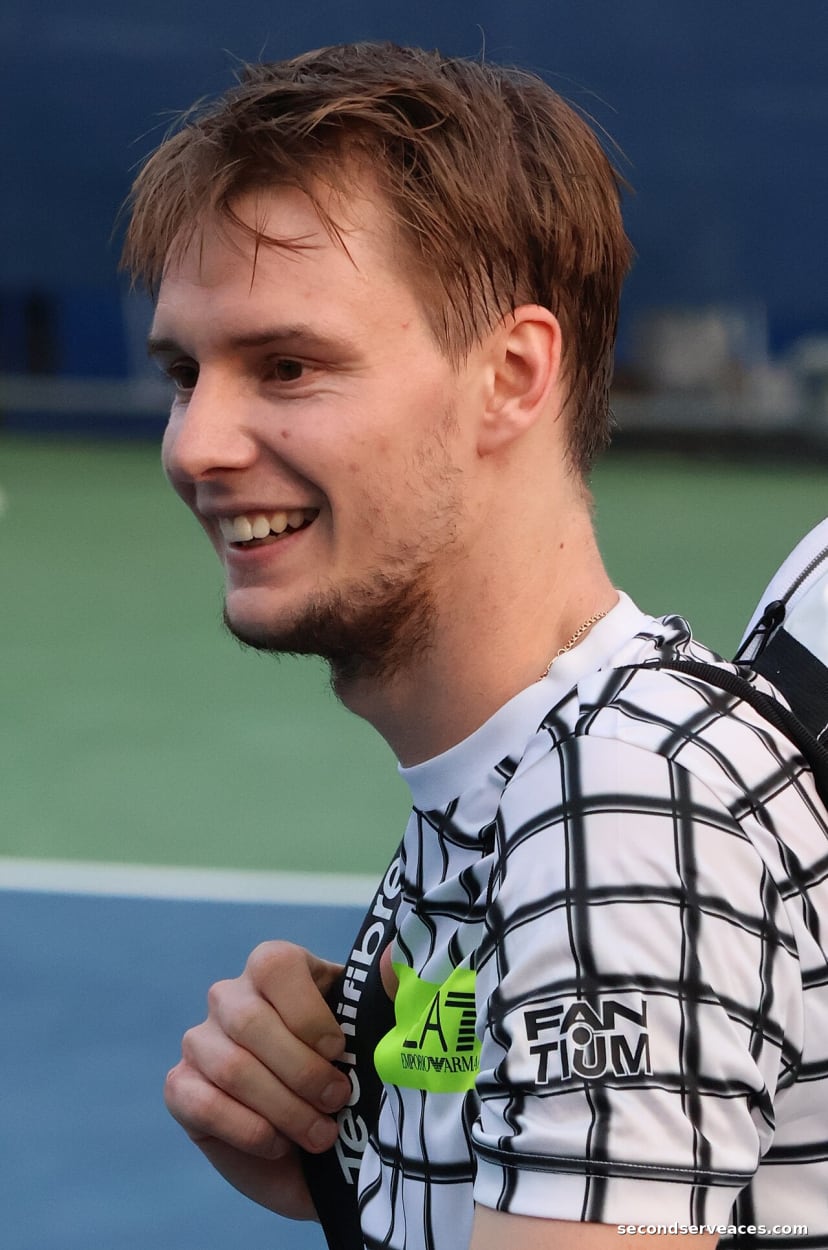
- Transition Play: Tommy Paul, who conquered the U.S. Men’s Clay Court Championships by defeating Román Andrés Burruchaga, utilizes a different blueprint—blending explosive vertical movement with a serve that kicks off the clay, preventing returners from stepping in to punish his second serve.
The Bigger Picture
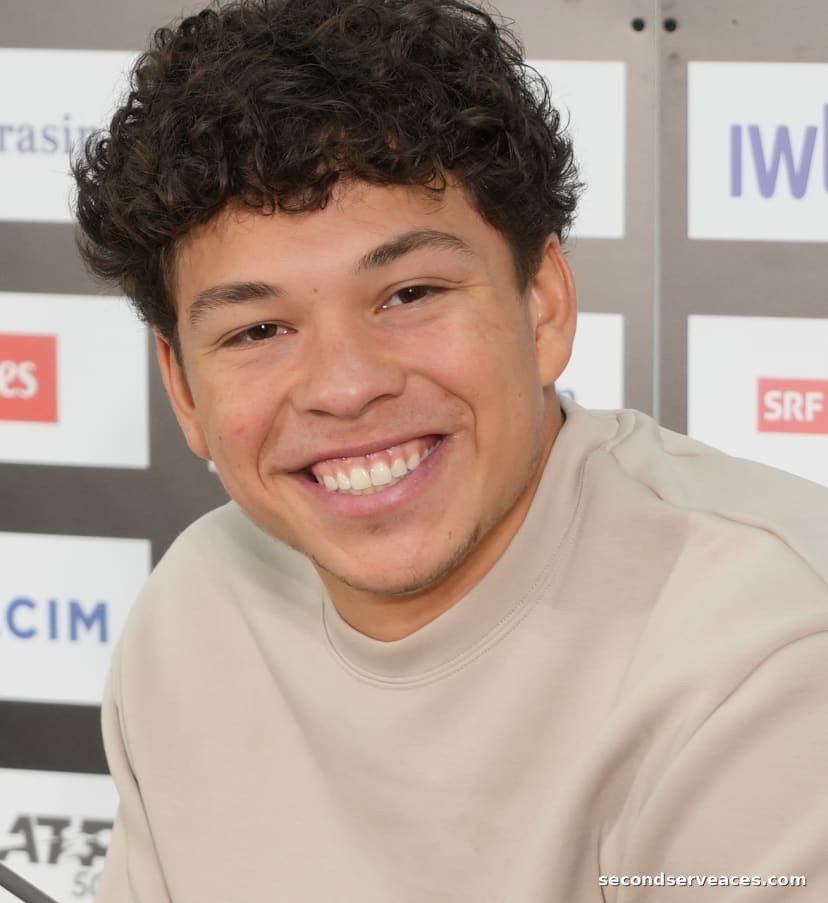
Beyond the professional ranks, the sport occasionally reminds us of the rigid boundaries of its own rulebook. The viral footage of Eli Stephenson performing a net-crossing shot during a college match serves as a curious footnote to the week’s action. While acrobatic and crowd-pleasing, the play was ultimately illegal; in the eyes of the rulebook, the point ends if a player's feet touch the opponent's side before the ball has bounced twice. It is a stark reminder that even as the game evolves with new athletic feats, the fundamental laws of tennis remain etched in tradition.
For the likes of Pegula and Paul, the focus now shifts toward the heart of the clay-court swing. Pegula’s consistency is the hallmark of a player currently in her prime, while Paul’s success in Houston proves his adaptability across varying surface speeds. As the tour winds its way toward the larger stages, the question remains: who can maintain this intensity when the stakes scale up to Grand Slam proportions?
Essential Matchday Add-Ons
Tournament-tested accessories and high-frequency consumables every competitive player keeps in their bag.
Tourna Grip Original Dry Feel Overgrip (10-Pack)
4.8 ★ (12,000+ reviews)
The gold standard for sweaty hands. Proprietary dry feel absorbs moisture better as play intensifies.
Luxilon ALU Power 125 Silver String Set
4.9 ★ (3,500+ reviews)
Unrivaled control and spin potential used by over 50% of the ATP Top 100 players.
Babolat Custom Damp Vibration Dampener (2-Pack)
4.7 ★ (4,200+ reviews)
Customizable dampening with removable central O-ring for fine-tuning court feedback and sound.
Penn Championship Extra Duty Tennis Balls (4-Can Pack)
4.7 ★ (8,900+ reviews)
Official ball of USTA League Tennis with extra-duty felt designed for abrasive hard courts.
Analyze Eli Stephenson vs. Arda Azkara
Predict tactical adjustments, momentum swings, and serve strategy options for this match-up using our AI simulator.
The Aces Tactical Panel
This report was curated and edited by Bhaskar Goel. Tactical analysis and technical insights were provided by our specialized panel of expert correspondents.
Julian Price
Senior Tactical Correspondent
Stuffy, pedantic British academic and historian specializing in match momentum and historical context.
Elena Cruz
Director of Analytical Research
Data scientist specializing in court surface physics and movement patterns.
Bhaskar
The Editor & Fan
Passionate tennis player and site editor bringing everyday amateur insights and relatable fan commentary.
Arthur Vance
Senior Existential Analyst
Deep, eccentric, and DFW-inspired. Models court metaphysics, kinetic beauty, and player psychology.
Leo Sterling
High-Performance Consultant
Hard-nosed ex-trainer from Melbourne with a no-nonsense view on tour fitness.