When Stefanos Tsitsipas and Casper Ruud take the court in Madrid, we aren't just watching a match; we are witnessing the sixth chapter of an evolving tactical chess match on dirt. This isn't just about rankings on the ATP Tour; it’s about whose heavy topspin profile holds up under the altitude and specific demands of the Madrid Open.
Listen to the Second Serve Podcast
Get our daily AI-synthesized audio briefings and match reviews on the go.
A Rivalry Defined by Surface and Style
The numbers don't lie, even if they don't tell the whole story. Ruud currently holds a 3-2 edge in their professional head-to-head. It’s a matchup predicated on patience versus aggression. In their most recent encounter—the final of the Barcelona Open—Ruud dismantled the rhythm, securing a 7-5, 6-3 victory by forcing Tsitsipas into uncomfortable court positioning and heavy, lateral movement.
Watching that Barcelona tape, the tactical blueprint was clear: Ruud successfully neutralized the Tsitsipas forehand by pushing the ball deep into the corners, effectively pinning the Greek player behind the baseline. When Tsitsipas is forced to hit on the run, his ability to dictate points via his serve-plus-one combination vanishes.
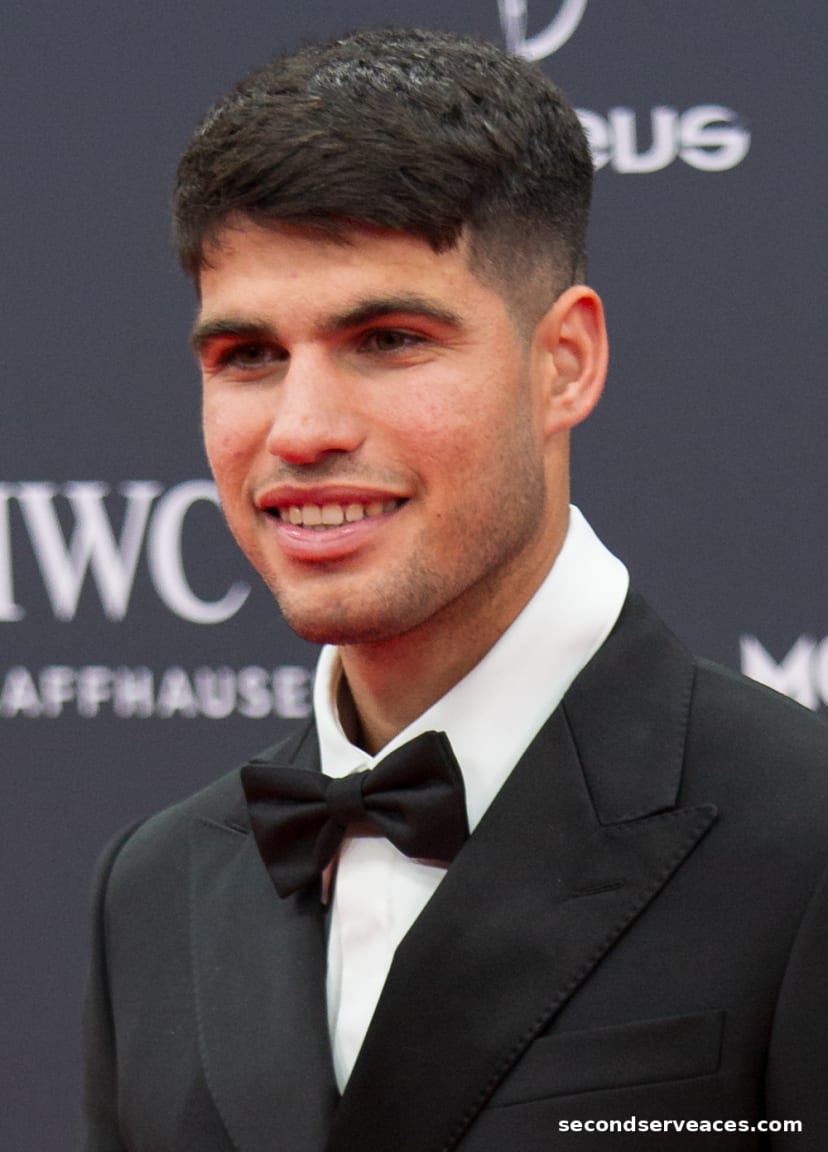
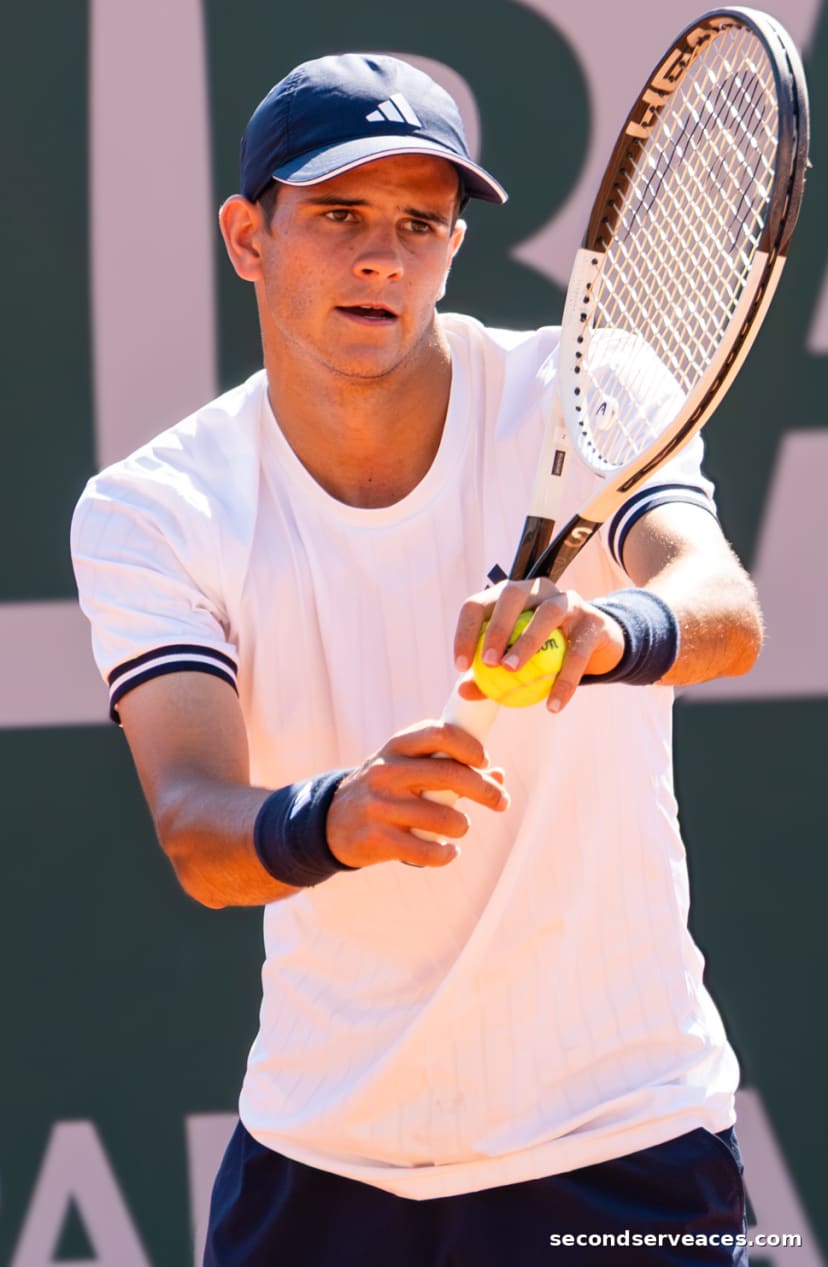
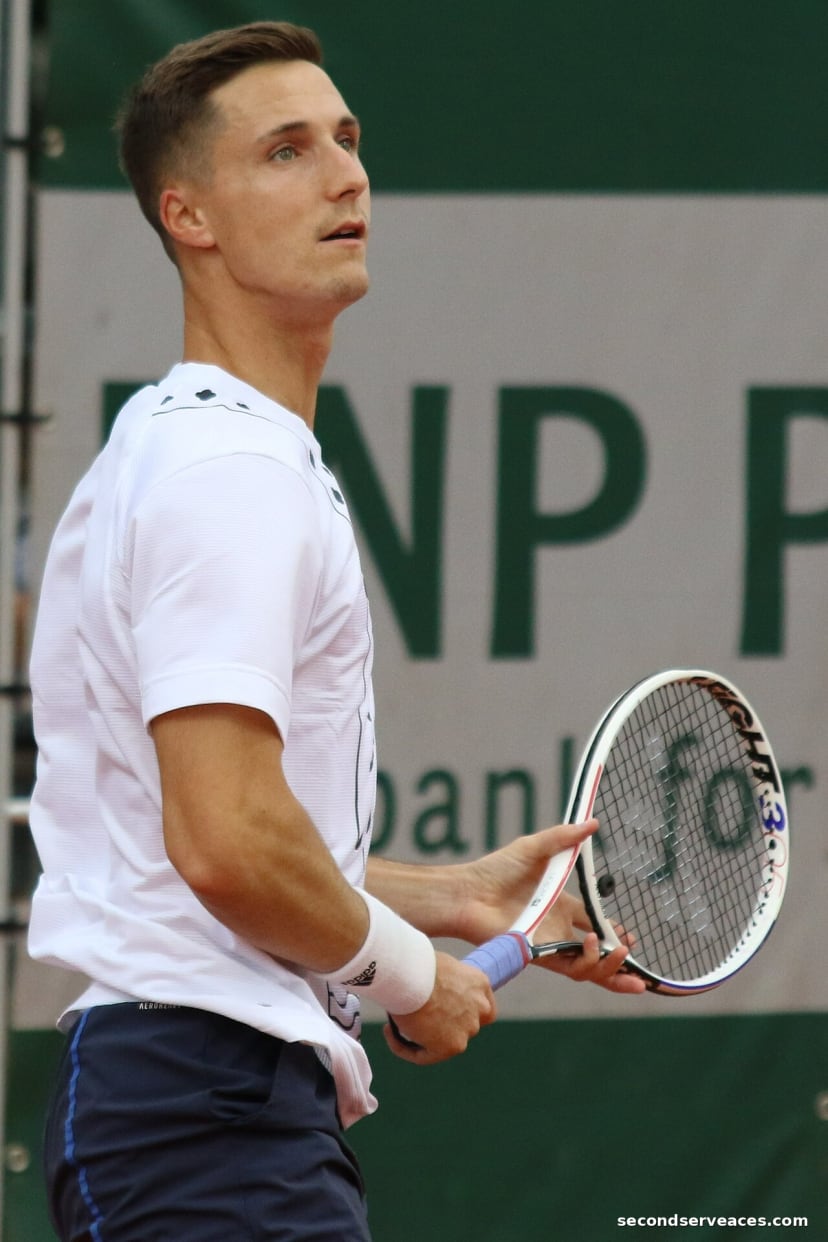
It’s a fascinating dynamic between two players who have effectively grown up on the circuit together. The nostalgic photo circulating of Tsitsipas, Ruud, Alexei Popyrin, and Christian Linge isn't just social media filler; it serves as a reminder that this professional friction is a long-standing evolution. They know each other’s tendencies—the service placement, the backhand slice variations—inside and out.
The Physical Variables After Barcelona
The biggest question mark entering this R16 clash isn't just tactical; it’s the recovery timeline of Casper Ruud. The Norwegian was forced to withdraw from the Barcelona Open—the very tournament he won—following a calf injury sustained at the Monte Carlo Open. In the sport of tennis, particularly on clay, the calf is the engine of the entire movement chain.
If the lower limb is compromised, the explosive first step required for sliding and the stability needed for loading the heavy topspin groundstrokes are severely hindered. We need to watch Ruud’s service motion closely. If he’s protecting the leg, the drive off the back foot will be abbreviated, potentially leaving his second serve vulnerable to a high-percentage return attack from Tsitsipas.
Tsitsipas, by contrast, has been finding his groove. The Madrid altitude generally favors the more aggressive, vertical-leaning player, which may play into his hands. If he can shorten the points and prevent the match from becoming a grueling, defensive slog, his win probability increases exponentially.
The Tactical Geometry of the Madrid Surface
The Madrid clay is famously fast, favoring players who can take the ball early and utilize the bounce. Tsitsipas tends to favor a deep, looped topspin ball to control the middle of the court, but against a tactical grinder like Ruud, that strategy can become a liability. If the ball sits up in the court, Ruud will step inside the baseline and redirect the power, turning defense into offense in a single stroke.
We are looking for a shift in how they handle the ad-court exchanges. Ruud’s kick serve out wide to the Tsitsipas backhand is a classic play, designed to stretch the court and open up the open-court winner. If Tsitsipas can effectively block that return back deep, he resets the point and forces Ruud to reset his defensive posture.
Conversely, look for Tsitsipas to try and force the net. By closing the court, he negates Ruud’s ability to use the baseline depth to dictate. It’s a risky play, but against a player potentially nursing a movement issue, it’s the most efficient way to close out games and save physical energy for the later stages of the tournament.
The Mentality of a High-Stakes R16
There is no more 'learning phase' for these two. They have the data, they have the tape, and they have the shared history of five previous tour-level battles. The outcome here will likely hinge on who manages the pressure of the unforced error count during the mid-set lulls.
In high-stakes matches, the player who maintains their tactical discipline—even when things get tight—is usually the one who prevails. We are waiting to see if Ruud can maintain that same clinical efficiency he showed in Barcelona, or if the intensity of Madrid will demand a different, more physical version of his game.
The fan base is rightfully buzzing. This is a battle of styles that highlights the evolution of modern clay-court play. Whoever captures the rhythm of the point early will likely force the other into a retreat, and in the thin air of Madrid, momentum is everything.
What Stefanos Tsitsipas Plays With
Wilson Blade 98 v9
Luxilon 4G 125
Analyze Stefanos Tsitsipas vs. Casper Ruud
Predict tactical adjustments, momentum swings, and serve strategy options for this match-up using our AI simulator.
The Aces Tactical Panel
This report was curated and edited by Bhaskar Goel. Tactical analysis and technical insights were provided by our specialized panel of expert correspondents.
Julian Price
Senior Tactical Correspondent
Stuffy, pedantic British academic and historian specializing in match momentum and historical context.
Elena Cruz
Director of Analytical Research
Data scientist specializing in court surface physics and movement patterns.
Bhaskar
The Editor & Fan
Passionate tennis player and site editor bringing everyday amateur insights and relatable fan commentary.
Arthur Vance
Senior Existential Analyst
Deep, eccentric, and DFW-inspired. Models court metaphysics, kinetic beauty, and player psychology.
Leo Sterling
High-Performance Consultant
Hard-nosed ex-trainer from Melbourne with a no-nonsense view on tour fitness.