The Status Quo in Madrid
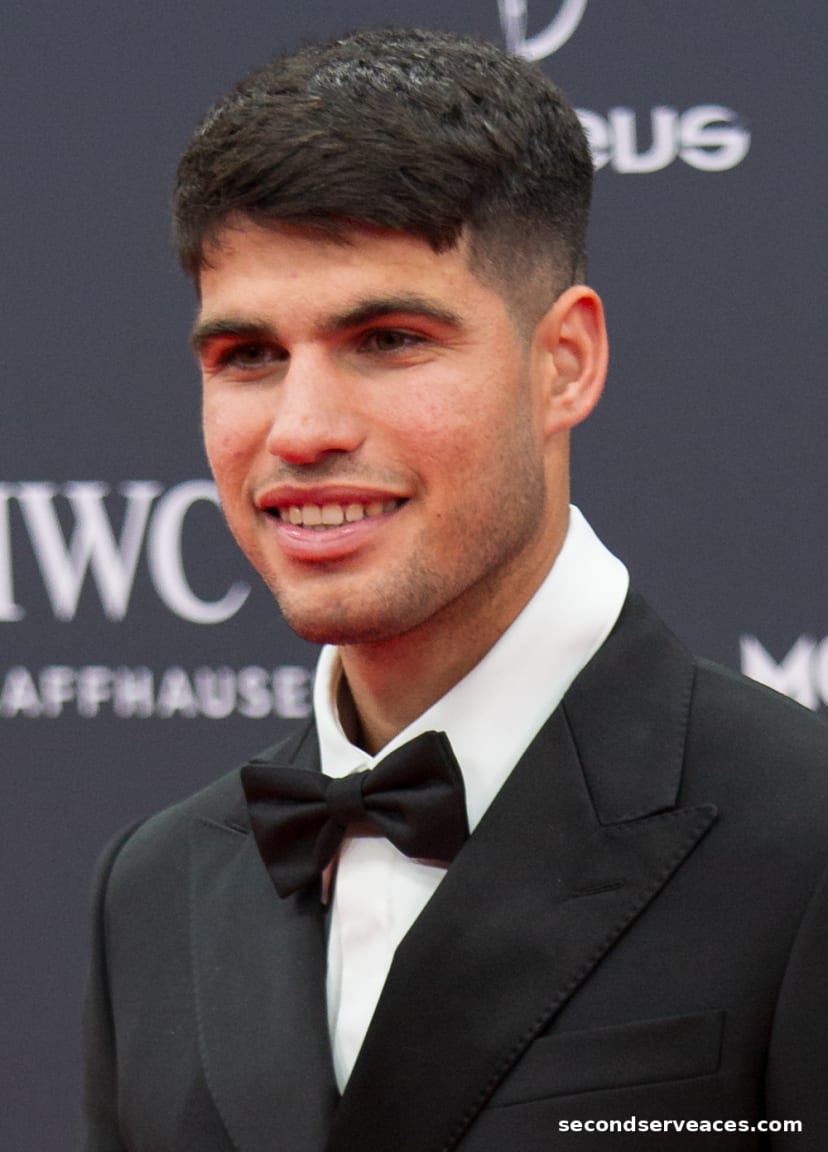
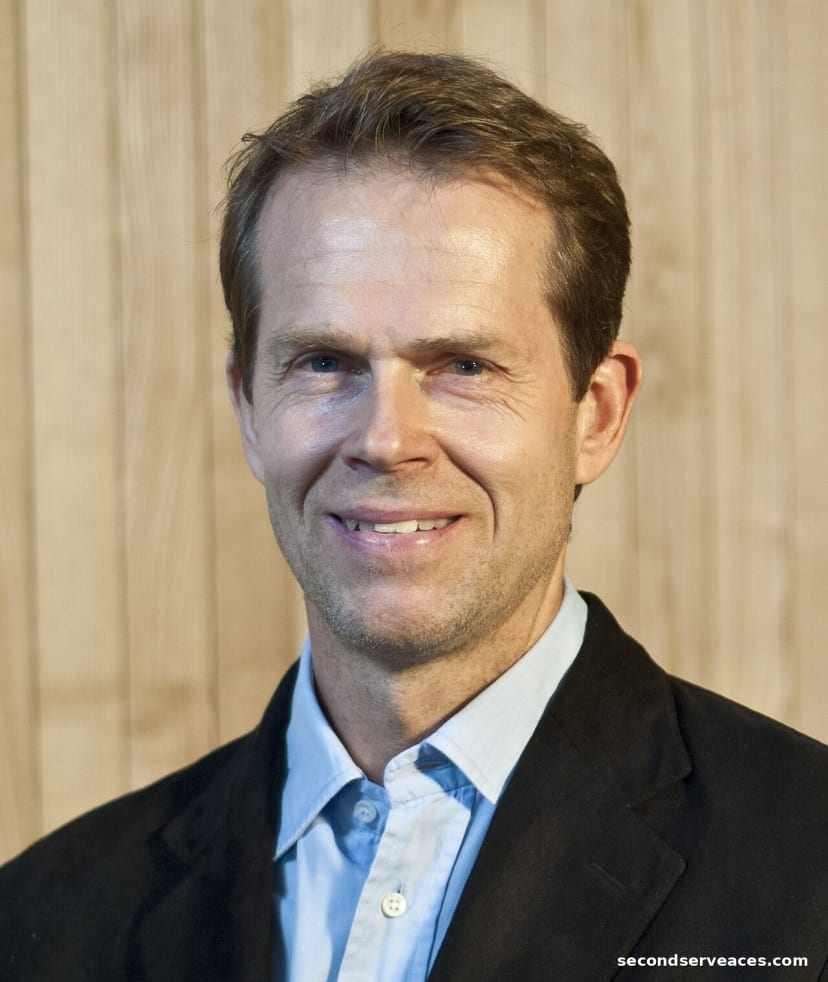
The landscape of the Madrid Open is shifting, and for three-time Grand Slam champion Stan Wawrinka, the path to the main draw has become significantly more arduous. The tournament committee has finalized its distribution of the five available men's singles wildcards, and notably, Wawrinka’s name is absent from that prestigious list. Instead, those invitations have been extended to Pablo Carreno Busta, Federico Cina, Rafael Jodar, Martin Landaluce, and Gael Monfils.
Listen to the Second Serve Podcast
Get our daily AI-synthesized audio briefings and match reviews on the go.
Currently sitting 16th on the alternates list, Wawrinka faces the reality of the qualifying rounds if he intends to compete at the Caja Mágica. This is a stark change for a player who, in 2013, fought his way to the final in Madrid, eventually bowing out to Rafael Nadal. Despite his history—having appeared at this event 13 times—Wawrinka has not stepped onto the Madrid clay since 2023.
The Tactical Breakdown
When we look at the evolution of clay-court tennis, the exclusion of a veteran like Wawrinka highlights the tournament’s tactical preference for younger prospects and local Spanish talent. At the elite level, court positioning on the red dirt is defined by heavy topspin and the ability to dictate from the baseline while neutralizing the high bounce.
- Baseline Aggression: Wawrinka’s game has always been built on a foundation of extreme heavy topspin and the most punishing one-handed backhand in the game. His tactical viability relies on his ability to create acute angles that push opponents off the court.
- Rally Tolerance: Without an automatic entry, a player of Wawrinka's profile must rely on high-percentage first serves to survive the grind of qualifiers. On the slow surface of Madrid, where the ball sits up, the margin for error against younger, faster defenders is razor-thin.
- Transition Play: Younger recipients of these wildcards are often looking to exploit the 'mid-court' space. To succeed in the modern era, you must possess the lateral quickness to close down the net once you've opened the court with that initial, heavy cross-court strike.
The Bigger Picture
The decision to bypass a veteran in favor of emerging names underscores a broader trend on the ATP Tour. Tournaments are increasingly prioritizing the development of local talent and the infusion of youth to build narratives for the next decade. While Wawrinka’s absence from the direct entry list is a blow for fans, he isn't retreating from the clay entirely; he has successfully secured a wildcard for the ATP 500 event in Barcelona.
For a player of his standing, this period is about managing physical load and finding the right match momentum heading into the peak of the spring clay season. Whether he navigates the qualifying gauntlet in Madrid or focuses his efforts elsewhere, the tactical requirements of his game remain the same: dictate the points, protect the backhand wing, and utilize that ferocious heavy spin to dictate play.
What Daniil Medvedev Plays With
Tecnifibre T-Fight 305 Isoflex
Tecnifibre Razor Soft
Analyze Stan Wawrinka vs. Pablo Carreno Busta
Predict tactical adjustments, momentum swings, and serve strategy options for this match-up using our AI simulator.
The Aces Tactical Panel
This report was curated and edited by Bhaskar Goel. Tactical analysis and technical insights were provided by our specialized panel of expert correspondents.
Julian Price
Senior Tactical Correspondent
Stuffy, pedantic British academic and historian specializing in match momentum and historical context.
Elena Cruz
Director of Analytical Research
Data scientist specializing in court surface physics and movement patterns.
Bhaskar
The Editor & Fan
Passionate tennis player and site editor bringing everyday amateur insights and relatable fan commentary.
Arthur Vance
Senior Existential Analyst
Deep, eccentric, and DFW-inspired. Models court metaphysics, kinetic beauty, and player psychology.
Leo Sterling
High-Performance Consultant
Hard-nosed ex-trainer from Melbourne with a no-nonsense view on tour fitness.