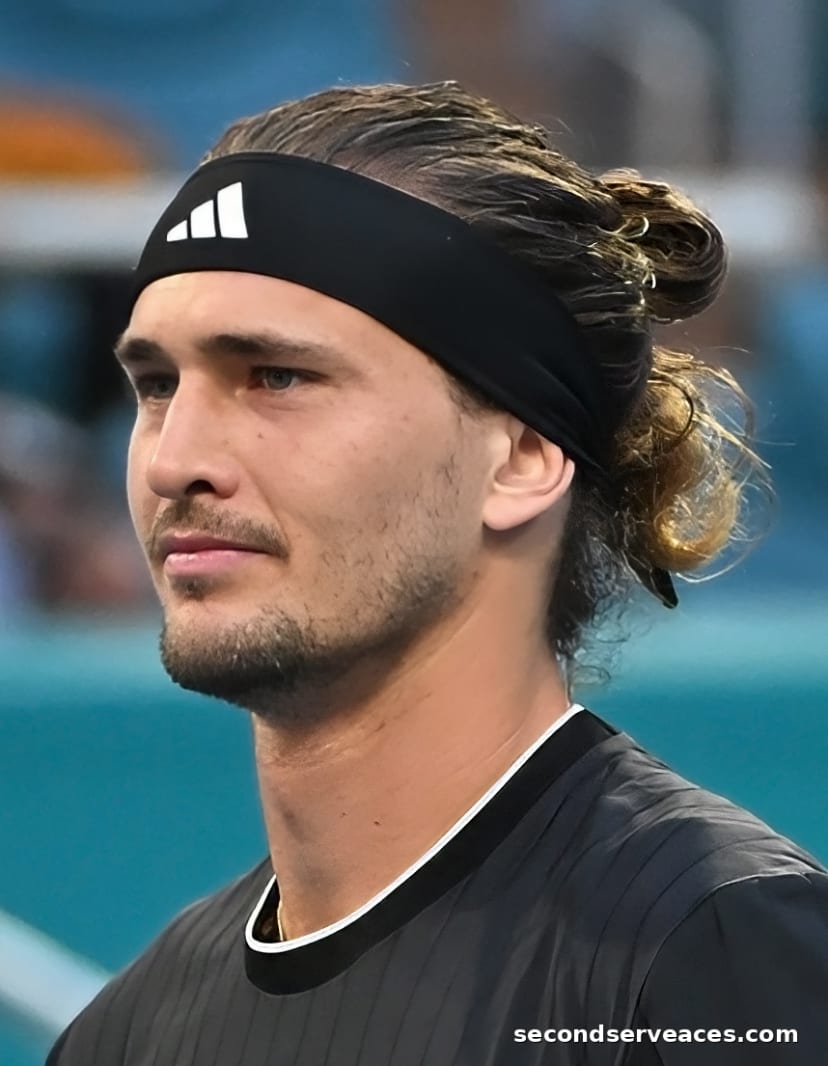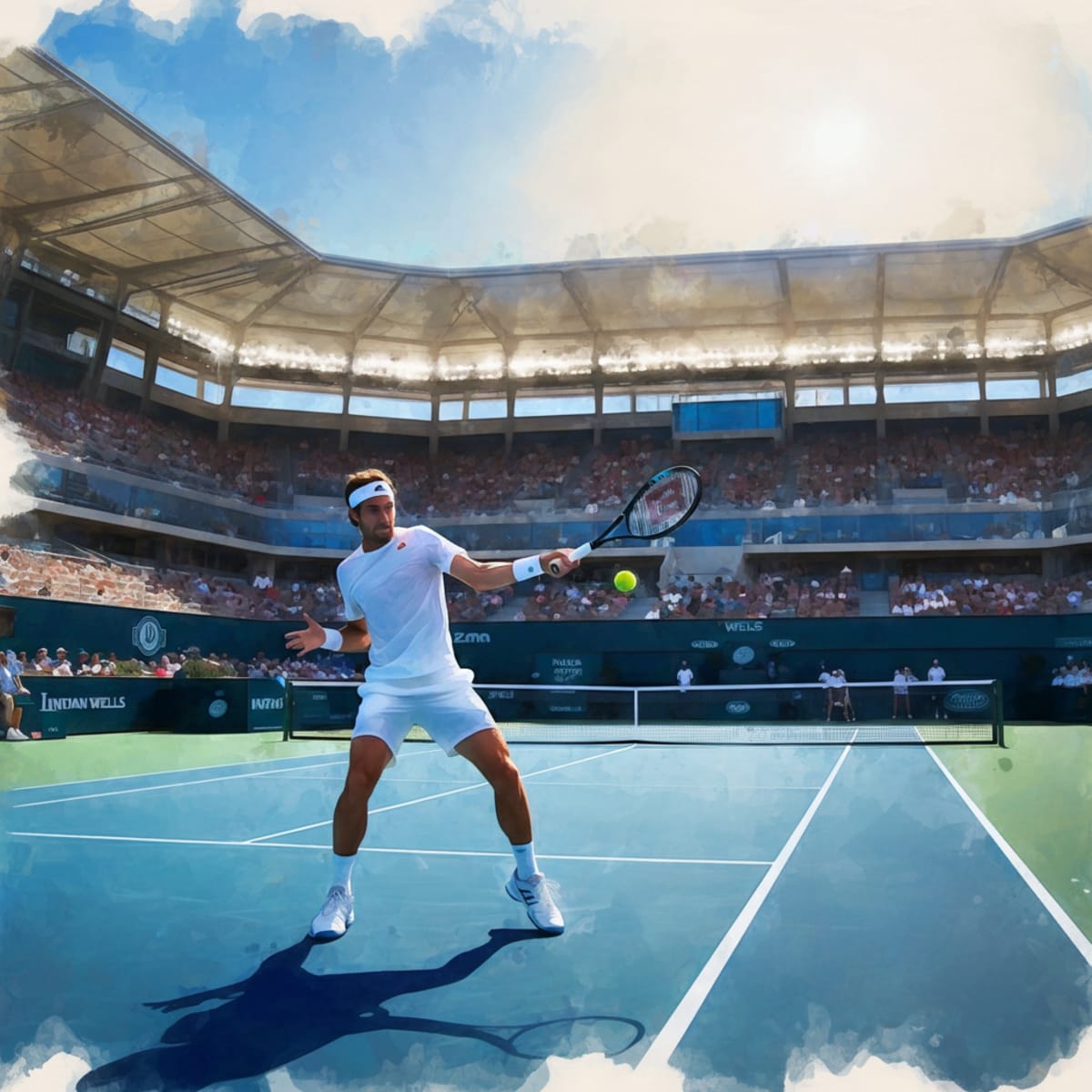
There is a specific, almost terrifying geometry to the slow hard courts of the Coachella Valley. The gritty Plexipave grips the felt of the ball, forcing the kinetic energy of a 90-mph groundstroke to undergo a sudden, friction-induced metamorphosis. To win here requires not just power, but an understanding of parabolic arcs and patience. In a display of sheer biophysical perfection, Jannik Sinner transcended these elements, defeating Alexander Zverev with a clinical 6-2, 6-4 victory to reach his first-ever Indian Wells Masters final.
Listen to the Second Serve Podcast
Get our daily AI-synthesized audio briefings and match reviews on the go.
For Sinner, this wasn't merely a tennis match; it was an exorcism of recent, highly specific ghosts. To understand the emotional weight of this 6-2, 6-4 triumph, we must first look at the verified contours of the afternoon:
- The Scoreline: Jannik Sinner defeated Alexander Zverev with an unyielding score of 6-2, 6-4.
- The Milestone: Sinner advanced to the final of the ATP Indian Wells Masters 1000 for the first time in his career.
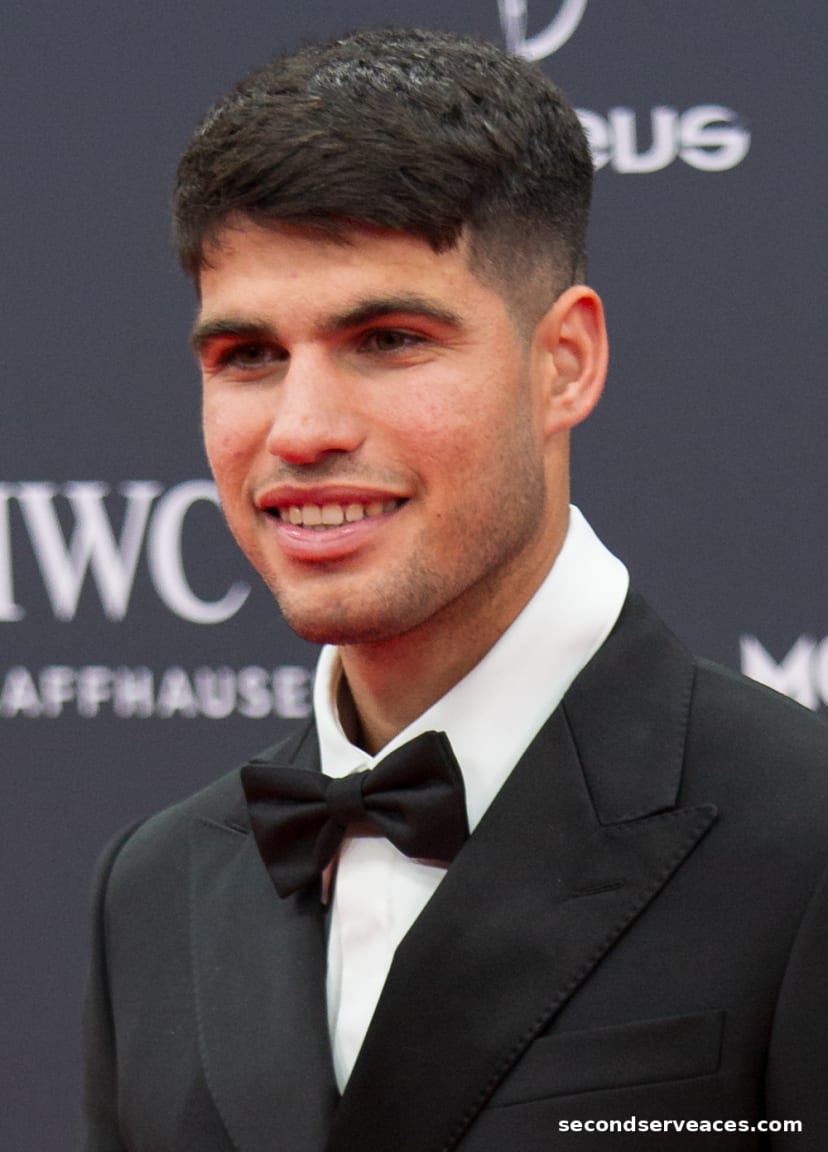
- The Ghost Overcome: Sinner previously lost in the Indian Wells semi-finals to Carlos Alcaraz in both 2023 and 2024.
- The Hardcourt Hexagon: With this victory, Sinner has now successfully reached the final of all six hardcourt ATP Masters 1000 events.
The Tactical Breakdown
To analyze the mechanics of Sinner's current form is to study fluid dynamics. Zverev, a man whose game is built around a booming first serve and a backhand that acts like a structural retaining wall, generally relies on depth and attrition to win. But Sinner does not play the game of attrition. He plays a game of suffocating territorial acquisition.
Historically, when facing a deep-returner like Zverev, the server must navigate the perilous space between the service line and the baseline, anticipating the heavy topspin that Zverev generates when he has time to set his feet. Sinner, however, robbed the German of the one currency that matters most in tennis: time. Sinner's groundstrokes possess a notoriously flat trajectory, skidding through the high-friction Indian Wells surface rather than sitting up. By stepping inside the baseline, Sinner took the ball early, effectively shrinking the court and amplifying the match momentum in his favor.
The Physics of the Break Point
Consider the anatomy of a break point under the desert sun. Zverev's forehand, while heavily weaponized, features a pronounced, looping take-back. Sinner exploited this biomechanical reality by redirecting pace down the line, targeting the Zverev forehand corner when the German was lunging. Sinner's sheer rally tolerance—his ability to absorb an opponent's pace, recycle its kinetic energy, and return it with interest—left Zverev frantically defending a shrinking percentage of the court geometry.
The Bigger Picture
In the broader continuum of modern men's tennis, Indian Wells represents a unique crucible. It is the tournament where hardcourt specialists often find themselves undone by the clay-like bounce, and where clay-courters struggle with the requisite pace. For two consecutive years, Sinner's ambitions in the desert were halted at the semi-final stage by Carlos Alcaraz—a player whose own game perfectly marries the sliding elasticity of clay with the concussive force of hardcourt tennis.
By finally breaching this semi-final barrier and dispatching Zverev so completely, Sinner has achieved something historically profound. Reaching the final of all six hardcourt ATP Masters 1000 events (Miami, Canada, Cincinnati, Shanghai, Paris, and now Indian Wells) is an architectural feat. It suggests a player who is no longer simply great on a specific type of hard court (be it the slick indoor courts of Paris or the humid, fast surfaces of Cincinnati), but a player who has mastered the surface in its absolute entirety.
This 6-2, 6-4 victory is not just a progression in a bracket. It is a loud, ringing declaration that the Italian's game is now universally translatable. The desert, with its swirling winds and dragging surface, is no longer an anomaly in Sinner's calculus; it is just another equation he has mathematically solved.
What Jannik Sinner Plays With
Head Speed MP 2024
Head Hawk Touch 1.25
Nike GP Challenge 1
Analyze Jannik Sinner vs. Alexander Zverev
Predict tactical adjustments, momentum swings, and serve strategy options for this match-up using our AI simulator.
The Aces Tactical Panel
This report was curated and edited by Bhaskar Goel. Tactical analysis and technical insights were provided by our specialized panel of expert correspondents.
Julian Price
Senior Tactical Correspondent
Stuffy, pedantic British academic and historian specializing in match momentum and historical context.
Elena Cruz
Director of Analytical Research
Data scientist specializing in court surface physics and movement patterns.
Bhaskar
The Editor & Fan
Passionate tennis player and site editor bringing everyday amateur insights and relatable fan commentary.
Arthur Vance
Senior Existential Analyst
Deep, eccentric, and DFW-inspired. Models court metaphysics, kinetic beauty, and player psychology.
Leo Sterling
High-Performance Consultant
Hard-nosed ex-trainer from Melbourne with a no-nonsense view on tour fitness.