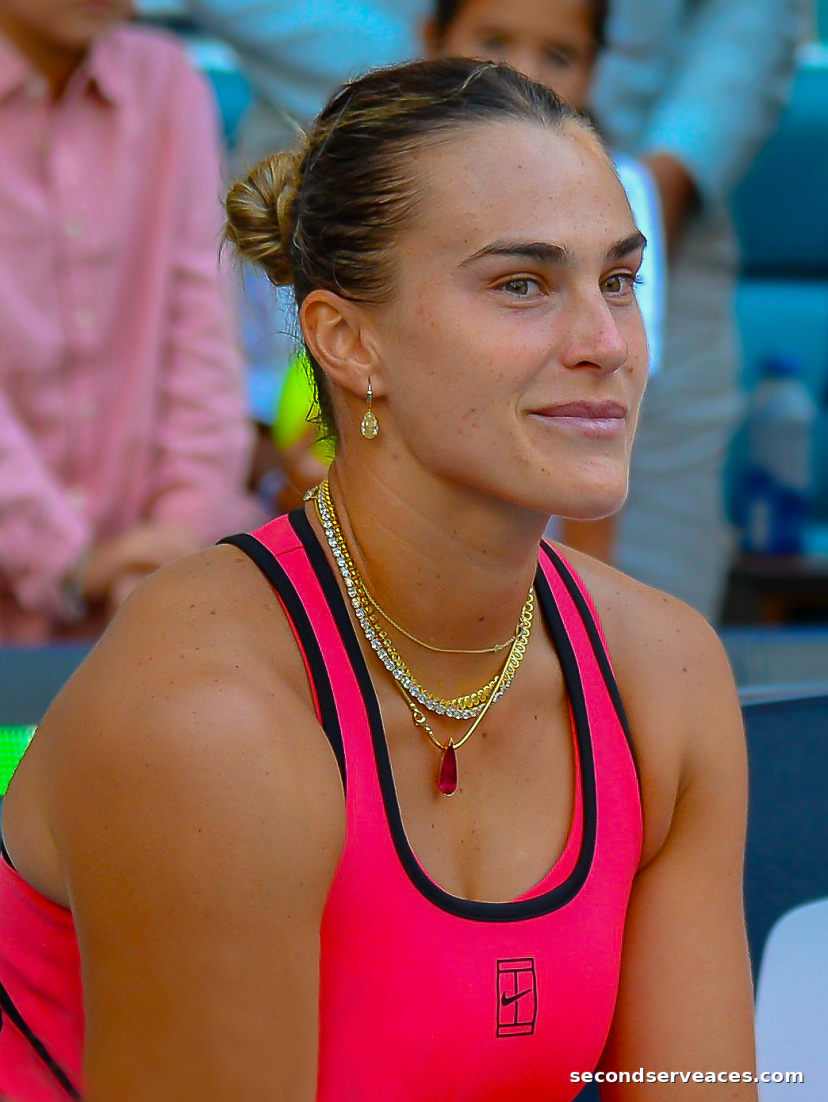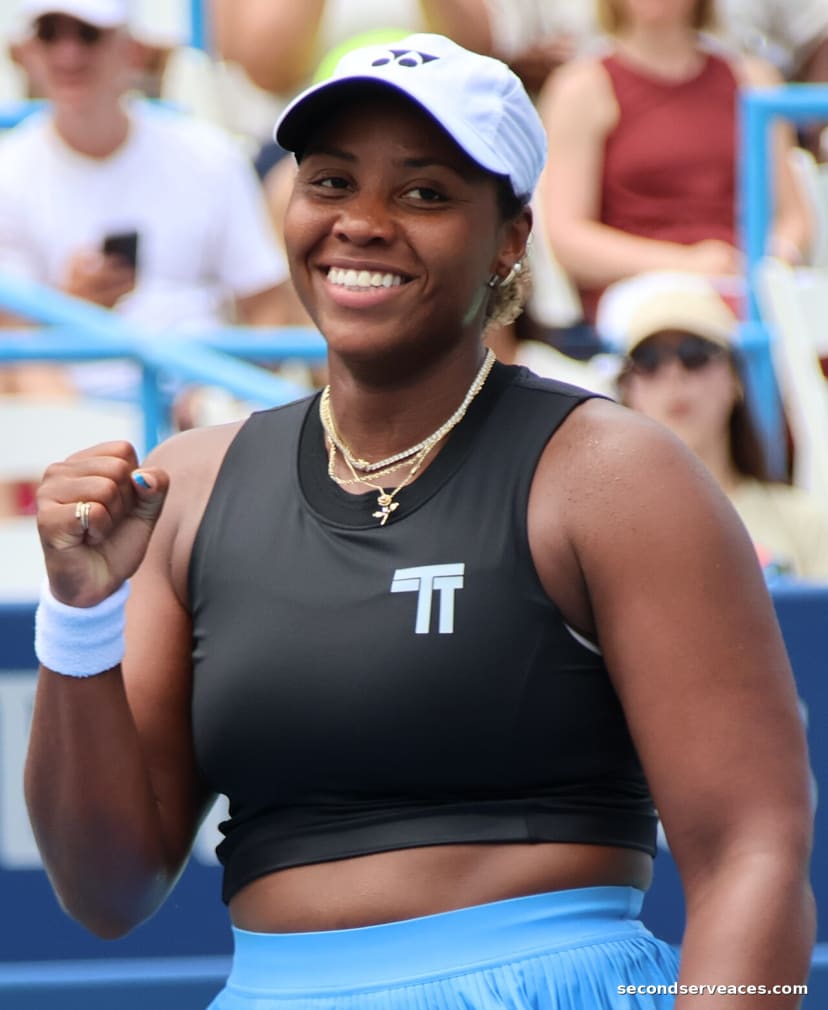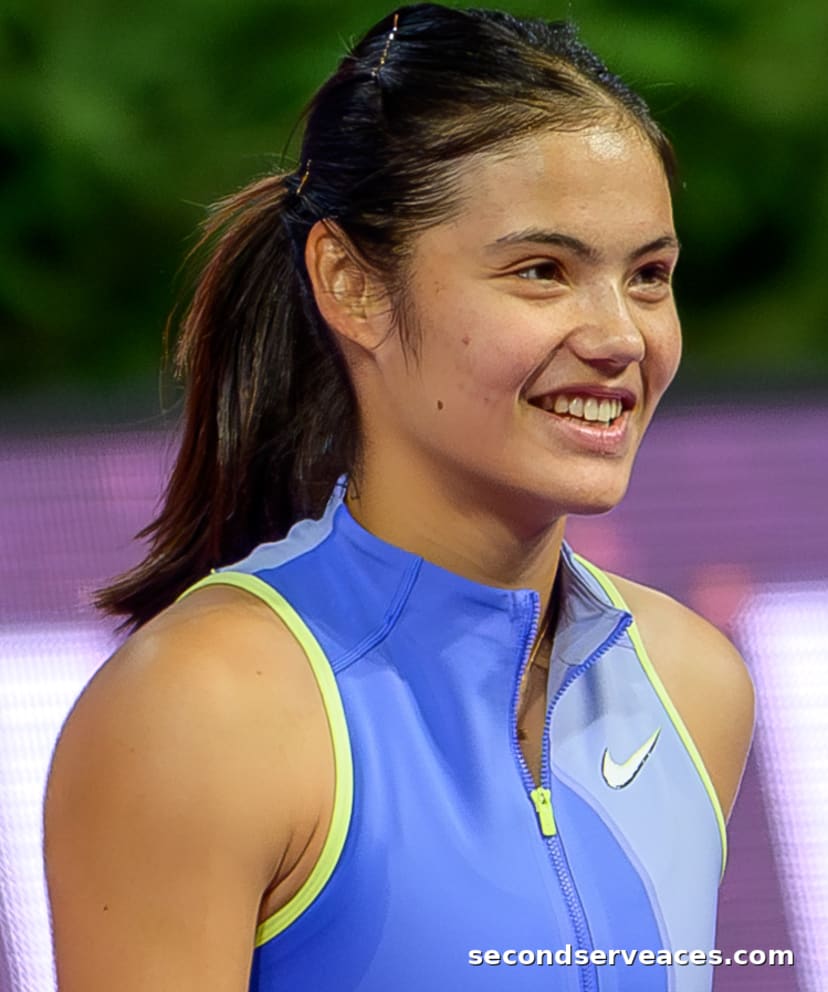
The modern professional tour rarely offers a collision of its top two ranked players before championship Sunday. Yet, the Miami Open hard courts delivered precisely that anomaly. World No. 1 Aryna Sabalenka dispatched second-ranked Elena Rybakina 6-4, 6-3 in a semifinal encounter defined by aggressive serving and high-stakes baseline exchanges. With this victory, the top seed keeps her ambitious pursuit of the coveted Sunshine Double firmly intact.
Listen to the Second Serve Podcast
Get our daily AI-synthesized audio briefings and match reviews on the go.
Institutional quirks set the stage for this blockbuster. Rybakina originally entered the Florida event seeded third. However, a rankings update the day after the draw was finalized elevated her to the No. 2 spot. This logistical shuffle created a statistical rarity. Consequently, it marked the first time outside the season-ending WTA Finals that the world's top two ranked players faced off before a tournament final since the 1998 US Open—a historical benchmark previously set by Martina Hingis and Jana Novotna.
Central to the Belarusian’s triumph was an unrelenting service game. Sabalenka struck nine aces over the course of the match. Most notably, she found a lethal rhythm deep in the opening frame, firing four consecutive aces across the critical seventh and ninth games to extinguish any shifting match momentum.
The Tactical Breakdown
How does a player dismantle an opponent as mechanically sound as Rybakina? For Sabalenka, the answer lies in first-strike tennis and overwhelming court geometry. The tactical mechanics of this matchup typically revolve around whoever can command the center of the baseline and dictate the first aggressive groundstroke.
- Service Placement Patterns: Sabalenka’s ability to hit unreturnable serves—evidenced by her ace count—disrupted Rybakina's notoriously flat, penetrating returns. Hitting your spots under pressure prevents elite returners from stepping inside the baseline.
- Rally Tolerance vs. Aggression: Historically, breaking down the Rybakina defense requires sustained depth. Sabalenka utilized heavy topspin to push her opponent deep, forcing shorter replies that could be easily attacked and put away.
- Neutralizing the Break Point: Elite servers rely on specific patterns when facing scoreboard pressure. By hitting consecutive aces during pivotal first-set games, Sabalenka bypassed the need for grinding baseline rallies exactly when the margins tightened.
The Bigger Picture
Stepping back from the immediate result, this semifinal victory reverberates through the broader landscape of the WTA season. Sabalenka’s campaign now pivots to a high-octane championship clash against Coco Gauff.
The prospect of completing the Sunshine Double—winning Indian Wells and Miami back-to-back—remains one of the sport's most grueling structural challenges. Very few athletes possess the necessary hard-court specialization to thrive in the contrasting conditions of the arid California desert and the heavy, humid Florida coastline. The structural evolution of the WTA calendar places immense weight on these Spring hard-court 1000-level events, heavily influencing year-end ranking trajectories.
Defeating a top-two rival in straight sets not only conserves vital physical energy but establishes an undeniable psychological edge heading into the final. By navigating this historically rare semifinal dynamic, Sabalenka has positioned herself perfectly to capture one of the most elusive sweeps in modern tennis.
What Aryna Sabalenka Plays With
Wilson Blade 98 v9 (16x19)
Luxilon ALU Power 125
Analyze Aryna Sabalenka vs. Elena Rybakina
Predict tactical adjustments, momentum swings, and serve strategy options for this match-up using our AI simulator.
The Aces Tactical Panel
This report was curated and edited by Bhaskar Goel. Tactical analysis and technical insights were provided by our specialized panel of expert correspondents.
Julian Price
Senior Tactical Correspondent
Stuffy, pedantic British academic and historian specializing in match momentum and historical context.
Elena Cruz
Director of Analytical Research
Data scientist specializing in court surface physics and movement patterns.
Bhaskar
The Editor & Fan
Passionate tennis player and site editor bringing everyday amateur insights and relatable fan commentary.
Arthur Vance
Senior Existential Analyst
Deep, eccentric, and DFW-inspired. Models court metaphysics, kinetic beauty, and player psychology.
Leo Sterling
High-Performance Consultant
Hard-nosed ex-trainer from Melbourne with a no-nonsense view on tour fitness.