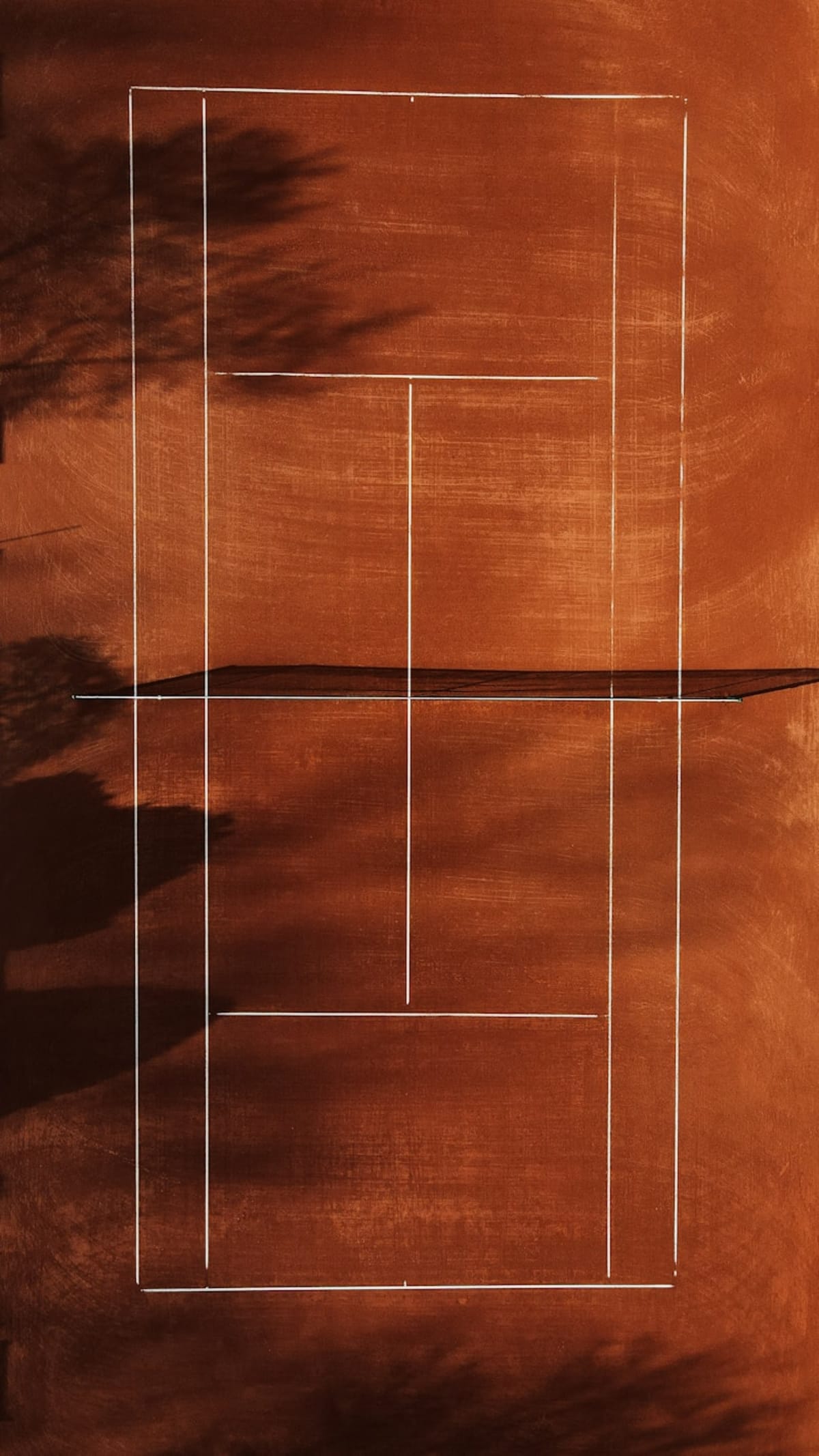
In the high-stakes theater of the French Open, trajectory is everything. For Aryna Sabalenka, the red clay of Paris represents a lingering hurdle—a site of both heartbreak and refinement. Having navigated a demanding season that included a difficult defeat to Coco Gauff in a previous final, the world is now watching how she and performance coach Jason Stacy manage the physical and mental demands of the surface.
Listen to the Second Serve Podcast
Get our daily AI-synthesized audio briefings and match reviews on the go.
The Cost of Intensity
Stacy has faced the challenge of optimizing Sabalenka’s explosive, high-power game while preventing the physiological breakdown that led to her forced absences from events in Rome and Strasbourg. The decision to skip those key lead-up tournaments was not a retreat; it was an exercise in risk mitigation. On clay, where points are extended and the physical toll of sliding and recovery is magnified, the margin for error is razor-thin.
Tactical Evolution
While Sabalenka successfully pivoted to capture the US Open title following her Paris disappointment, the clay surface demands a different structural approach. The heavy, abrasive nature of the court requires better energy management. Sabalenka’s game, built on relentless pace, must now incorporate the patience required for deeper rallies against defensive specialists. It is a balancing act: maintaining the aggression that forces a WTA elite ranking, without conceding to the exhaustion that plagued her previous European spring campaigns.
Insights from the Tour
The conversation surrounding Sabalenka’s tactical evolution has even reached legends of the game. Novak Djokovic famously weighed in on her candid post-match assessments, highlighting the intense scrutiny placed on top players when they articulate their struggles. Whether it's the tactical chess match mastered by players like Iga Swiatek or the court-coverage drills often analyzed by experts like Tracy Austin, the goal for Sabalenka remains constant: peak physical output when the final point is on the line.
What Aryna Sabalenka Plays With
Wilson Blade 98 v9 (16x19)
Luxilon ALU Power 125
Analyze Aryna Sabalenka vs. Coco Gauff
Predict tactical adjustments, momentum swings, and serve strategy options for this match-up using our AI simulator.
The Aces Tactical Panel
This report was curated and edited by Bhaskar Goel. Tactical analysis and technical insights were provided by our specialized panel of expert correspondents.
Julian Price
Senior Tactical Correspondent
Stuffy, pedantic British academic and historian specializing in match momentum and historical context.
Elena Cruz
Director of Analytical Research
Data scientist specializing in court surface physics and movement patterns.
Bhaskar
The Editor & Fan
Passionate tennis player and site editor bringing everyday amateur insights and relatable fan commentary.
Arthur Vance
Senior Existential Analyst
Deep, eccentric, and DFW-inspired. Models court metaphysics, kinetic beauty, and player psychology.
Leo Sterling
High-Performance Consultant
Hard-nosed ex-trainer from Melbourne with a no-nonsense view on tour fitness.