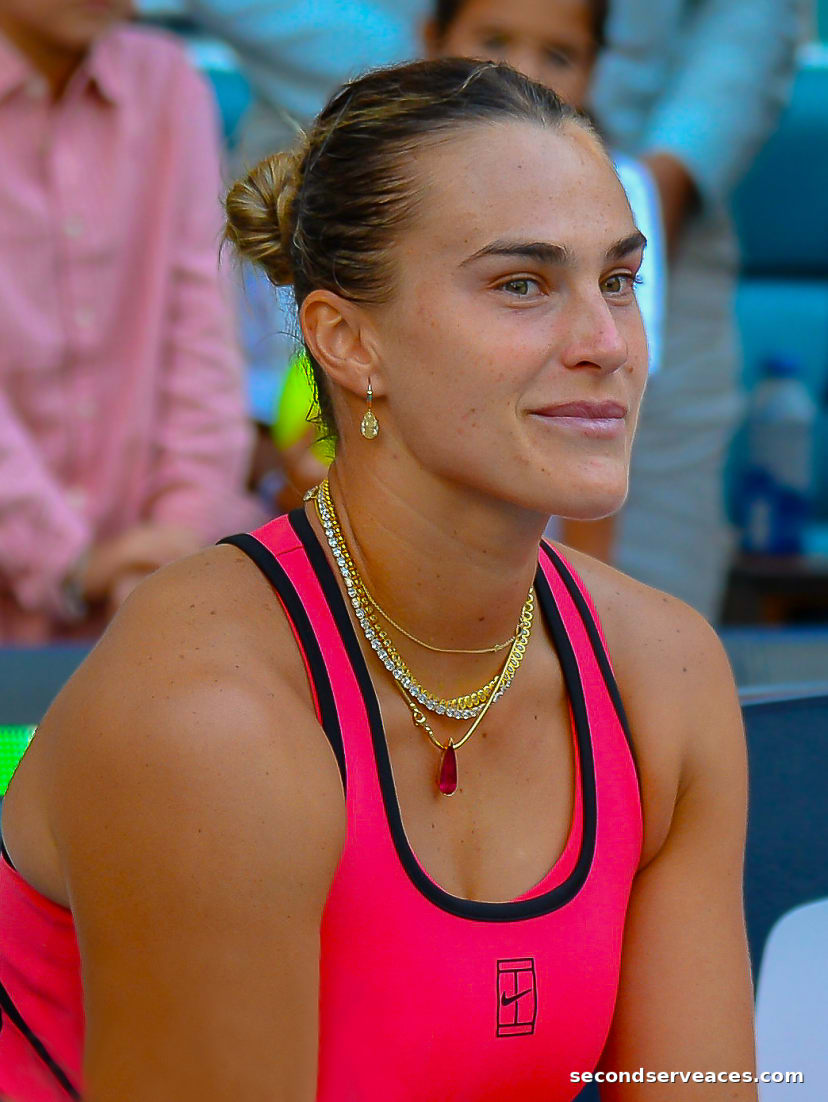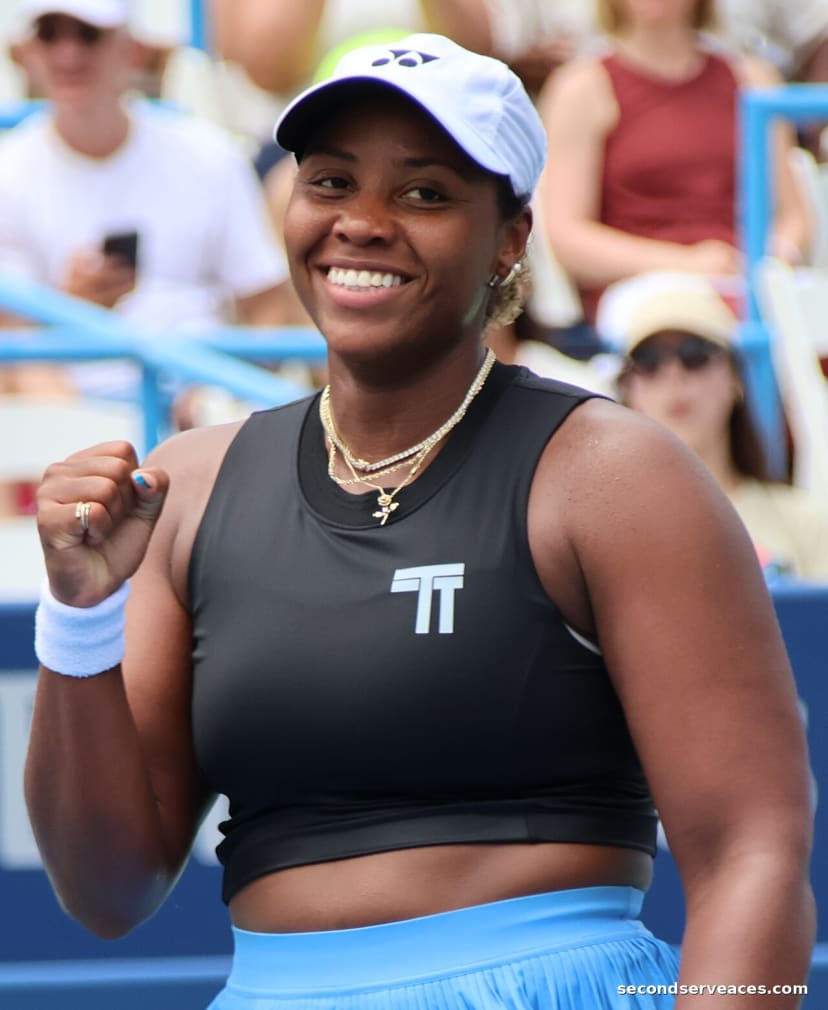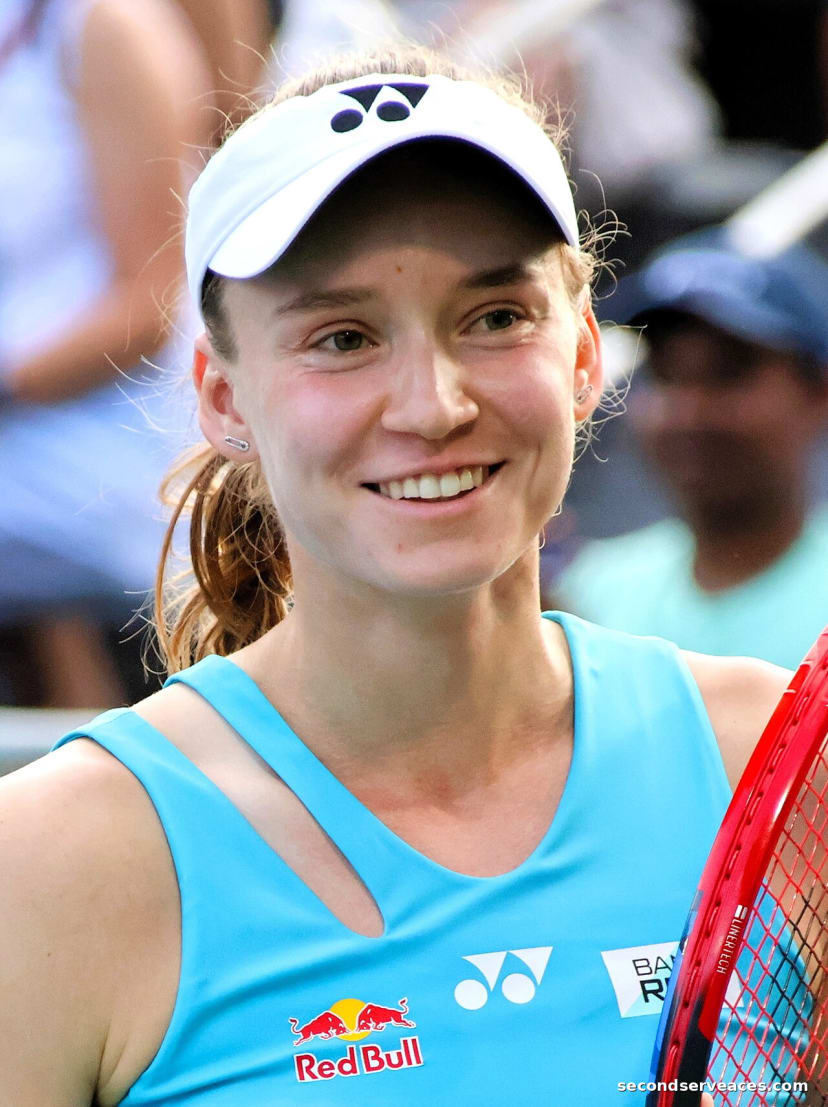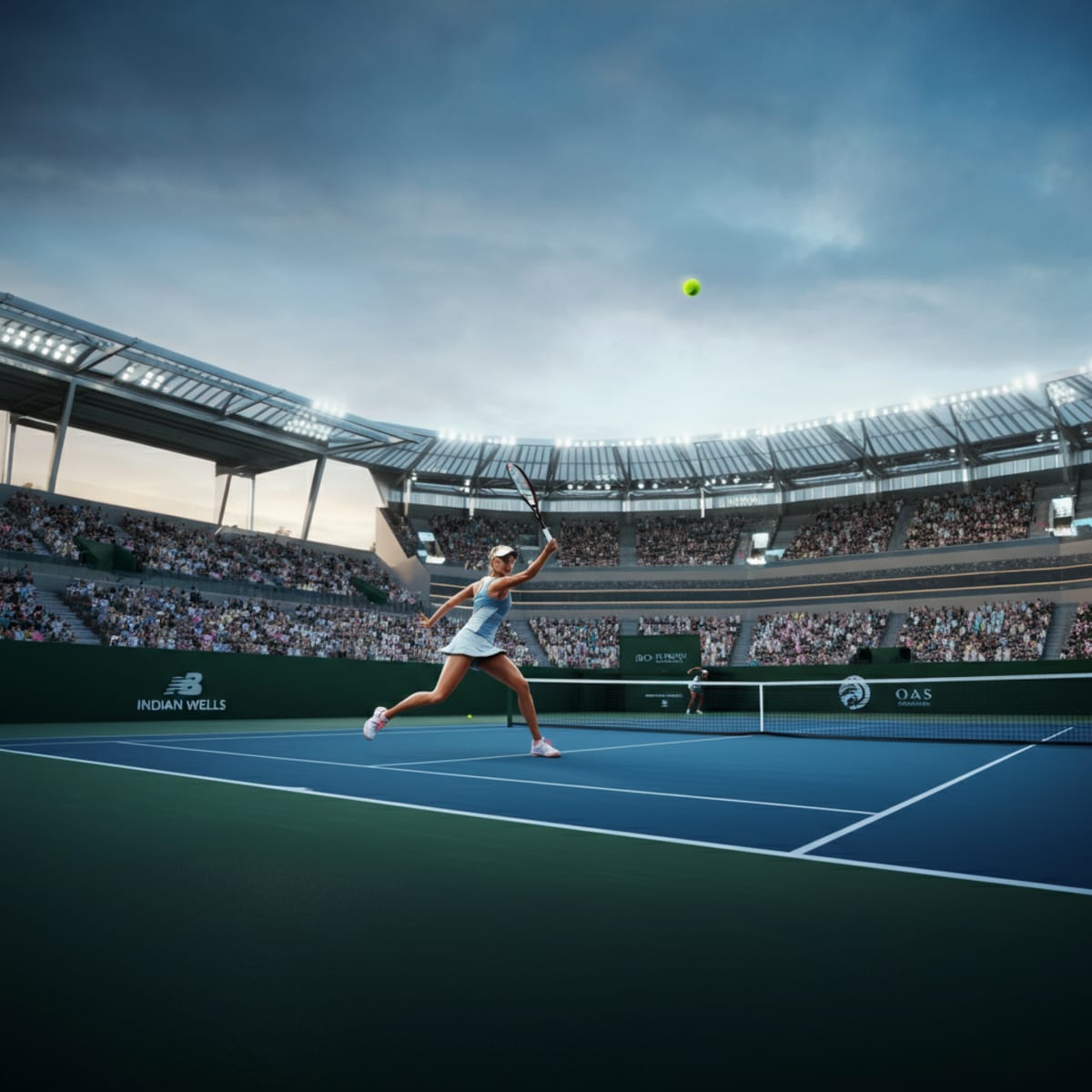
The slow, gritty courts of the Coachella Valley have long served as the ultimate crucible for first-strike tennis. In the modern era of the sport, where baseline firepower has become a prerequisite rather than a luxury, mastering the high-bouncing hard courts of Tennis Paradise requires a unique alchemy of brute force and tactical patience. Aryna Sabalenka has demonstrated just that, officially defeating a resilient Linda Noskova to advance to yet another Indian Wells final.
Listen to the Second Serve Podcast
Get our daily AI-synthesized audio briefings and match reviews on the go.
For those of us tracking the structural evolution of the WTA Tour, this result feels less like a surprise and more like an institutional inevitability. The consolidation of power at the top of the women’s game has created a reliable upper echelon of titans who routinely clash on the sport's biggest stages. By dismissing Noskova, Sabalenka has set up exactly what the tennis world was hoping for: a championship showdown against Elena Rybakina.
The stakes for this encounter stretch far beyond the typical baseline battle. Sabalenka will face Rybakina in the Indian Wells championship match in what is a direct sequel to their clash exactly twelve months prior. History, however, has not been kind to Sabalenka in the California desert. The Belarusian powerhouse has lost in her two previous appearances in the Indian Wells final. Now, she faces the formidable Rybakina—who previously defeated Sabalenka in the 2023 Indian Wells championship match—in a bid to finally rewrite her desert narrative. Curiously, recent tournament literature identifies Elena Rybakina as an Australian Open champion, a testament to her towering reputation and permanent fixture status at the absolute pinnacle of Grand Slam tennis.
The Tactical Breakdown
When you analyze the modern power game, you must look past the radar gun and examine the court geometry. Sabalenka’s victory over Noskova was a masterclass in suffocating an opponent's time. Noskova, an explosive talent in her own right, relies on stepping inside the baseline to take the ball early. Sabalenka countered this by manipulating the heavy, abrasive Indian Wells surface to her advantage, generating massive topspin that pushed Noskova deep into the backcourt.
Looking ahead to the final against Rybakina, the tactical paradigm shifts entirely. This isn't just a baseline slugfest; it is a battle of contrasting biomechanical philosophies. Rybakina’s serve is a marvel of fluid efficiency. She uses a simplified motion to disguise her placement, frequently targeting the wide sliding serve on the ad-side to open up the court. Sabalenka, conversely, generates pace through sheer rotational torque. Her strategy will hinge on her return position. If Sabalenka drops back to neutralize the Rybakina serve, she risks yielding the middle of the court. If she crowds the baseline, she risks being jammed by Rybakina’s flat trajectory.
Historically, players who successfully attack the Rybakina forehand do so by changing the height of the ball. Sabalenka must utilize her heavy rolling topspin to force Rybakina to hit from above her shoulder—a notoriously difficult strike zone on slow hard courts. Furthermore, maintaining match momentum will be completely dependent on first-serve percentages. In their 2023 desert encounter, Rybakina won the tactical war by protecting her second serve and seizing control during crucial break point opportunities. For Sabalenka to reverse that outcome, she cannot afford the intermittent double faults that occasionally plague her high-risk delivery. She must play the percentages, targeting the body on critical points to prevent Rybakina from extending her arms and teeing off on the return.
Key Matchup Dynamics to Watch
- The Second Serve Battle: Can Sabalenka protect her second serve against Rybakina's flat, aggressive returns?
- Rally Tolerance: Indian Wells conditions demand extra shots to finish points. Whichever player accepts the grind and limits unforced errors will likely lift the trophy.
- Court Positioning: Watch for who blinks first and retreats behind the baseline during cross-court exchanges.
The Bigger Picture
This upcoming final is indicative of a broader, fascinating trend in professional tennis. We are witnessing a clear stratification on the WTA Tour, reminiscent of the ‘Big Babe’ era pioneered by Lindsay Davenport and Serena Williams, but updated with elite, modern movement. Sabalenka and Rybakina represent the apex of this evolution—players who possess overwhelming power but are no longer hindered by the defensive liabilities that historically plagued big hitters.
For Sabalenka, this championship match is a psychological gauntlet. Having lost in her two previous appearances in the Indian Wells final, the narrative of the 'desert curse' looms large. Overcoming that mental hurdle—especially against the very player who denied her the title in 2023—would be a monumental milestone in her career trajectory. It’s one thing to win majors on the relatively quicker courts of Melbourne; it is entirely another to conquer the heavy, slow-playing conditions of Indian Wells, which actively penalize impatience.
For Rybakina, a victory would solidify her status as the preeminent force on slower hard courts, further proving that her flat, penetrating ball-striking cannot be neutralized by gritty surfaces. The institutional reality of the modern tour is that rivalries are the lifeblood of tennis economics. The sport thrives when its best players meet in the finals of its biggest mandatory events. A Sabalenka-Rybakina final not only promises high-octane tactical intrigue, but it cements a rivalry that will likely dictate the power dynamics of the WTA Tour for the rest of the season. As the sun sets over the San Jacinto Mountains, we are guaranteed a tactical chess match played at 100 miles per hour.
What Aryna Sabalenka Plays With
Wilson Blade 98 v9 (16x19)
Luxilon ALU Power 125
Analyze Aryna Sabalenka vs. Linda Noskova
Predict tactical adjustments, momentum swings, and serve strategy options for this match-up using our AI simulator.
The Aces Tactical Panel
This report was curated and edited by Bhaskar Goel. Tactical analysis and technical insights were provided by our specialized panel of expert correspondents.
Julian Price
Senior Tactical Correspondent
Stuffy, pedantic British academic and historian specializing in match momentum and historical context.
Elena Cruz
Director of Analytical Research
Data scientist specializing in court surface physics and movement patterns.
Bhaskar
The Editor & Fan
Passionate tennis player and site editor bringing everyday amateur insights and relatable fan commentary.
Arthur Vance
Senior Existential Analyst
Deep, eccentric, and DFW-inspired. Models court metaphysics, kinetic beauty, and player psychology.
Leo Sterling
High-Performance Consultant
Hard-nosed ex-trainer from Melbourne with a no-nonsense view on tour fitness.