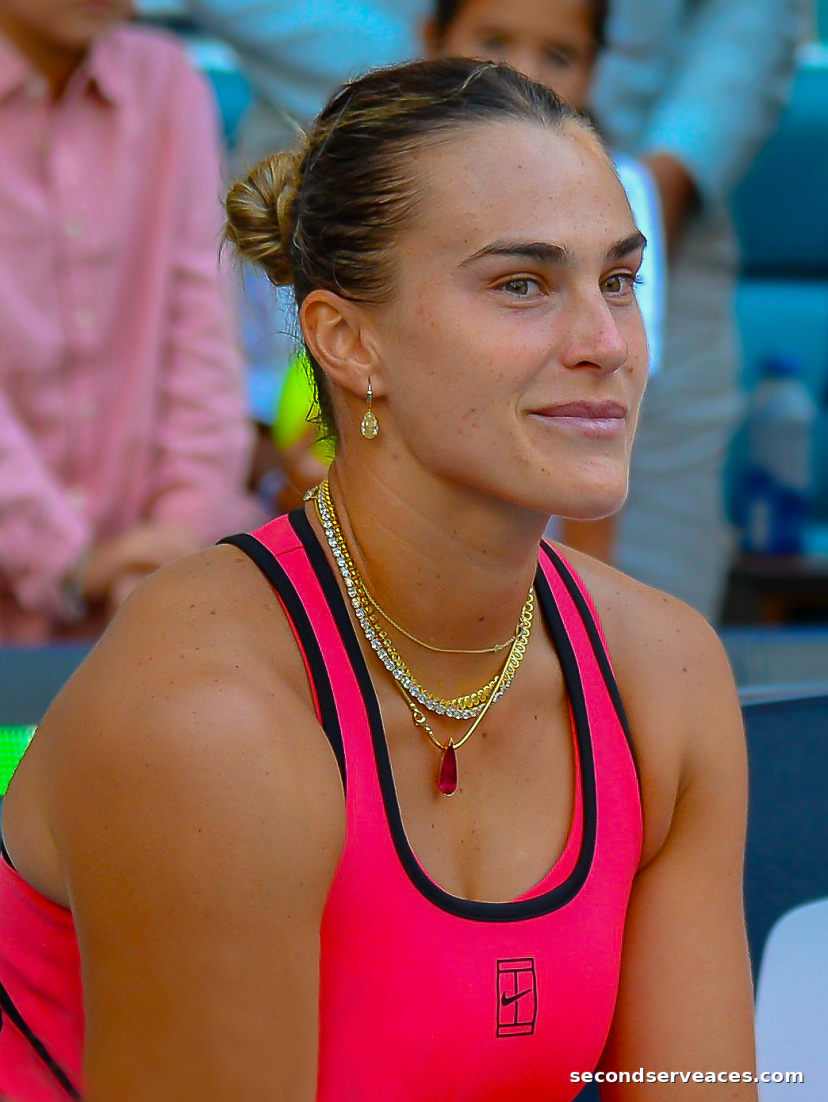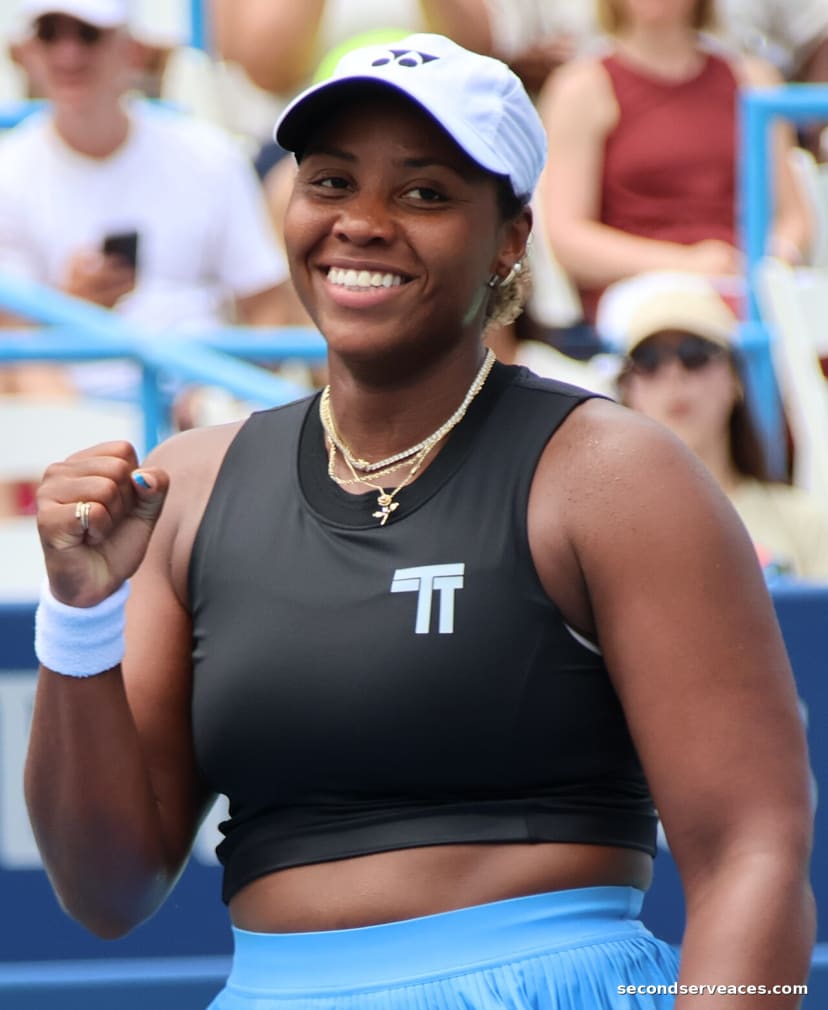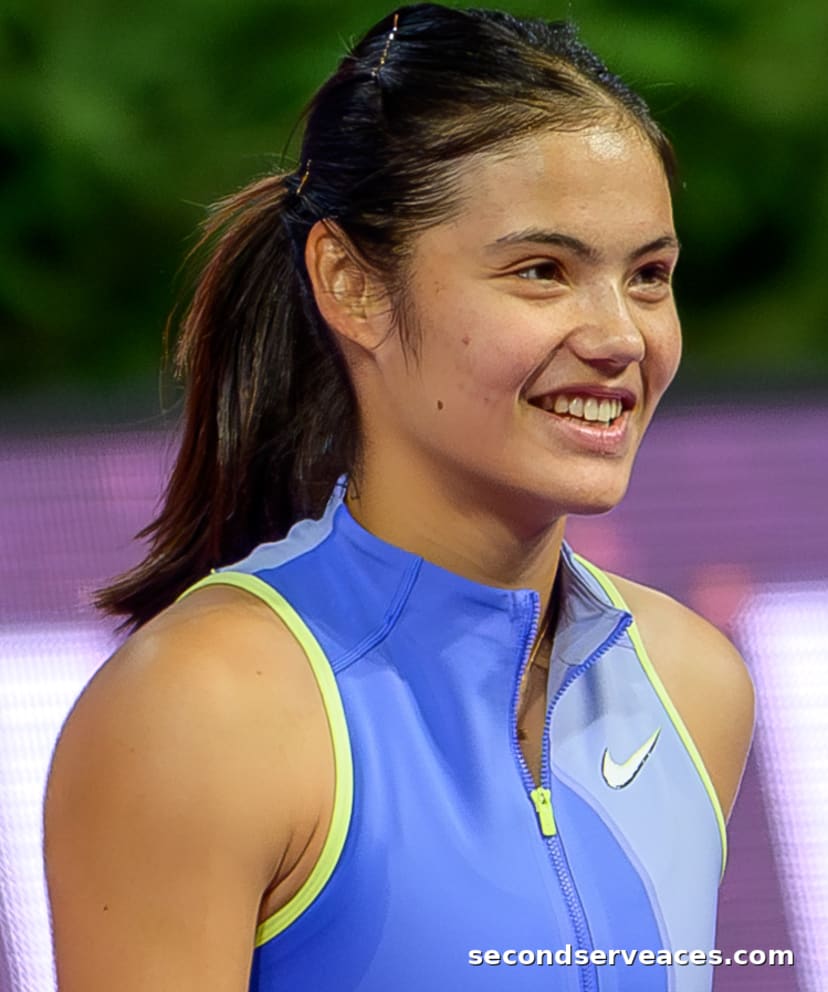
The slow, high-bouncing hard courts of the Coachella Valley have long served as the ultimate theater for the WTA’s apex predators. Indian Wells, with its thin desert air and gritty surface, forces a unique compromise: you must possess the raw power to hit through the conditions, but the structural integrity to survive the inevitable extra ball coming back. In a highly anticipated last-16 encounter that felt more like a heavyweight title bout, World No. 1 Aryna Sabalenka comfortably advanced to the quarter-finals, dismissing Naomi Osaka 6-2, 6-4.
Listen to the Second Serve Podcast
Get our daily AI-synthesized audio briefings and match reviews on the go.
On paper, this was a collision of two distinct eras of baseline supremacy. Osaka, the defining hard-court force of the late 2010s, against Sabalenka, the reigning sovereign of the current power paradigm. Yet, the straightforward 6-2, 6-4 scoreline in Sabalenka’s favor reveals a profound truth about the ongoing structural evolution of women’s tennis: the bar for first-strike aggression has been raised, and the margins for error have vanished.
Sabalenka’s victory ensures her passage into the quarter-finals, reinforcing her iron-clad grip on the world number one ranking. But beyond the immediate tournament implications, the match offered a masterclass in how institutional shifts in tactical geometry dictate the modern game.
The Tactical Breakdown
When two players with this caliber of baseline firepower meet, the match is rarely decided by prolonged, attritional rallies. Instead, the battle is fought in the trenches of the first three shots: the serve, the return, and the immediate reply. Sabalenka’s triumph was rooted in her ability to dictate these micro-exchanges, shrinking the court for Osaka and suffocating her preferred striking zones.
To understand the mechanics of this result, we must look at the foundational styles of both competitors. Osaka’s game historically relies on pristine timing and explosive, relatively flat groundstrokes. When she is locked in, her strikes pierce the court, rendering the opponent’s defense obsolete. Sabalenka, however, has spent the last two years evolving her game from raw, chaotic power to a more sustainable, heavy-topspin aggression. This evolution was the tactical centerpiece of her victory.
- Controlling the Baseline Real Estate: Sabalenka’s ability to take the ball early and hit a heavier, more spinning ball pushes opponents off the baseline. Against a rhythm player like Osaka, denying her the ability to set her feet on the baseline is half the battle won.
- Second-Serve Punishment: In the modern WTA, the second serve is often the most vulnerable shot in tennis. Sabalenka’s aggressive return positioning historically pressures opponents into overcooking their deliveries. By stepping inside the baseline, she turned defense into immediate offense, rarely allowing Osaka to dictate the rally post-serve.
- Court Geometry and Angles: While both players can hit the cover off the ball, Sabalenka’s improved lateral movement and willingness to open up the court with acute cross-court angles stretched Osaka's defense. Instead of merely hitting hard down the center, Sabalenka utilized the full width of the Indian Wells court to dismantle her opponent's structural defense.
Osaka’s challenge was finding the delicate balance between necessary aggression and unforced errors. Forced to hit closer to the lines to bypass Sabalenka's imposing court coverage, the pressure inevitably mounted. The World No. 1 did not just overpower the former champion; she out-maneuvered her tactically, constructing points that isolated Osaka’s defensive liabilities.
The Bigger Picture
To truly appreciate this result, one must view it through the lens of the WTA Tour's broader institutional evolution. Tennis is a sport of epochs, defined by the players who set the standard for their generation. When Naomi Osaka first captured the sporting world's imagination, she set a new benchmark for what elite hard-court tennis looked like. Her combination of a massive first serve and lethal, flat groundstrokes created a blueprint that the rest of the tour was forced to emulate or counter.
However, the tour has a long institutional memory, and tactical advantages rarely last forever without adaptation. Aryna Sabalenka represents the tour's response to the Osaka paradigm. Sabalenka has taken the requisite power needed to win at the highest level and married it with enhanced athletic flexibility, better rally tolerance, and a fortified mental resilience. Her status as World No. 1 is not merely a reflection of points accumulated; it is a reflection of her status as the current evolutionary peak of the sport.
For Sabalenka, comfortably navigating this last-16 hurdle into the Indian Wells quarter-finals is a powerful statement of intent. The "Sunshine Double" (Indian Wells and Miami) is one of the most grueling stretches on the calendar, requiring a unique blend of physical endurance and mental sharpness. Dispatching a player with Osaka's pedigree in straight sets provides both physical preservation and a massive psychological boost for the latter stages of the tournament.
For Osaka, this match is a vital data point in her ongoing career narrative. Returning to the upper echelons of a sport that has structurally evolved in her absence is a monumental task. Reaching the second week of a WTA 1000 event is a commendable stepping stone. It highlights that her baseline timing and aura remain intact, but it also illuminates the gap between the top 20 and the absolute pinnacle occupied by Sabalenka.
As the game continues to grow faster and the athletes more dynamic, the clash between past champions and current dominators serves as the perfect measuring stick. Sabalenka’s 6-2, 6-4 victory was more than just a spot in the quarter-finals; it was a demonstration of how the modern WTA landscape has been terraformed by heavy spin, relentless return pressure, and athletic endurance. The rest of the tour is officially on notice.
What Aryna Sabalenka Plays With
Wilson Blade 98 v9 (16x19)
Luxilon ALU Power 125
Analyze Aryna Sabalenka vs. Naomi Osaka
Predict tactical adjustments, momentum swings, and serve strategy options for this match-up using our AI simulator.
The Aces Tactical Panel
This report was curated and edited by Bhaskar Goel. Tactical analysis and technical insights were provided by our specialized panel of expert correspondents.
Julian Price
Senior Tactical Correspondent
Stuffy, pedantic British academic and historian specializing in match momentum and historical context.
Elena Cruz
Director of Analytical Research
Data scientist specializing in court surface physics and movement patterns.
Bhaskar
The Editor & Fan
Passionate tennis player and site editor bringing everyday amateur insights and relatable fan commentary.
Arthur Vance
Senior Existential Analyst
Deep, eccentric, and DFW-inspired. Models court metaphysics, kinetic beauty, and player psychology.
Leo Sterling
High-Performance Consultant
Hard-nosed ex-trainer from Melbourne with a no-nonsense view on tour fitness.