Elena Cruz here, and let me tell you, the gritty courts of Tennis Paradise are living up to their reputation as the ultimate equalizer. Indian Wells is a unique beast—the ball flies through the thin desert air but grips the high-friction Plexipave upon bouncing, creating a tactical nightmare for anyone whose footwork isn't perfectly dialed in. This week, we saw exactly how that dynamic plays out, with vastly different results for the top dogs.
Listen to the Second Serve Podcast
Get our daily AI-synthesized audio briefings and match reviews on the go.
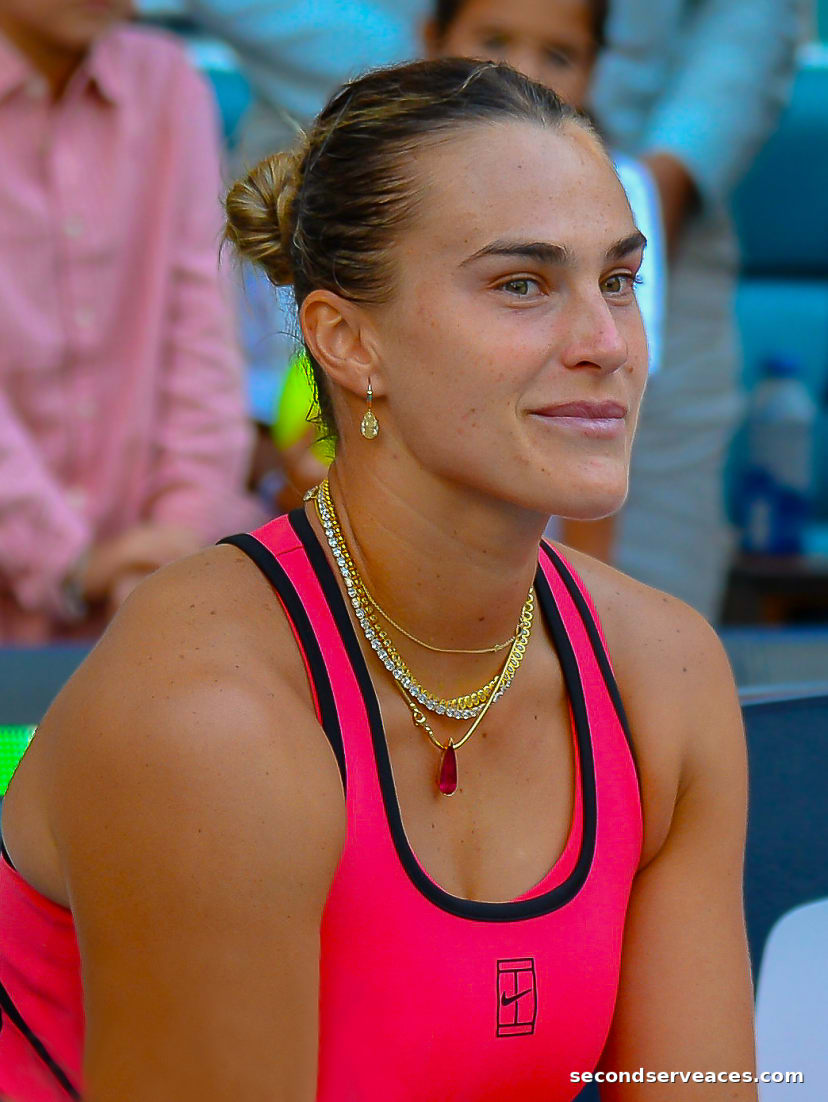
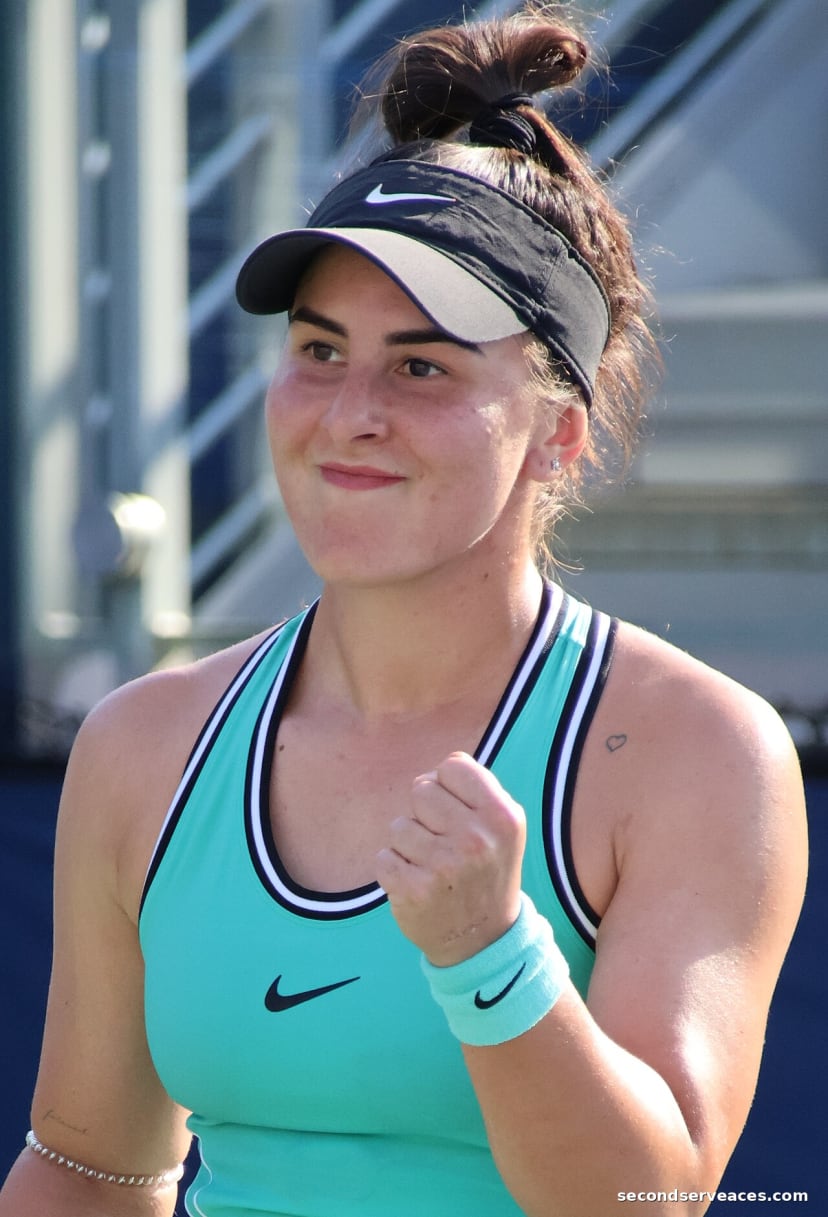
World number one Aryna Sabalenka successfully navigated the tricky conditions, asserting her authority to defeat Canadian rising star Victoria Mboko. But the earthquake of the tournament? Iga Swiatek has been unceremoniously eliminated, blowing the top half of the draw wide open. And over on the men's side, Alexander Zverev has quietly joined elite company with a major career milestone. Let's get into the X's and O's of what's happening out there in the Coachella Valley.
The Tactical Breakdown
When you look at Aryna Sabalenka's game on a slow hard court, it's all about geometric brute force. The courts at Indian Wells reward heavy, penetrating topspin, and Sabalenka has that in spades. Against a young, hungry opponent like Mboko, Sabalenka's objective was simple: shrink the court and dictate the first strike.
Here is what makes Sabalenka so lethal when she's playing with World No. 1 confidence:
- First-Serve Placement: Sabalenka doesn't just rely on pace; she uses the wide slider on the ad-side to pull opponents completely off the doubles alley, opening up the entire court for a blistering inside-out forehand.
- Rally Tolerance under Pressure: Historically, Sabalenka could be rushed into unforced errors. Now, she absorbs pace beautifully, using the high bounce of the Indian Wells courts to load her backhand and drive it deep down the middle, suffocating her opponent's angles.
- Return Aggression: Against a less experienced player like Mboko, the World No. 1 predictably stepped inside the baseline on second serves, taking the ball strictly on the rise to steal reaction time.
Meanwhile, Iga Swiatek's early elimination reminds us that even the best players have vulnerability windows. The slow hard courts here generally suit Swiatek's extreme western forehand grip, allowing her time to wind up. However, when an opponent successfully flattens out the ball and rushes that forehand wing, the timing can splinter. Without diving into the specific match statistics of her exit, Swiatek's departure is a textbook reminder that baseline timing is heavily dependent on surface friction.
The Bigger Picture
Sabalenka entering—and advancing—as the World No. 1 is a massive narrative shift for the WTA tour. For the better part of two years, Swiatek was the undisputed queen of the 1000-level events. Now, we are witnessing a genuine power struggle at the top. With Swiatek eliminated, the psychological pressure on Sabalenka shifts from 'chasing' to 'consolidating.' Winning a title here wouldn't just add hardware; it would put significant daylight between her and Swiatek in the ranking points.
On the ATP side, we can't ignore Alexander Zverev joining elite company with a recent milestone. Zverev's career has been a rollercoaster of phenomenal ball-striking, heartbreaking injuries, and grueling comebacks. Achieving this milestone on hard courts—where his towering serve and rock-solid two-handed backhand are historically at their most effective—cements his status among the modern heavyweights of the game.
Looking Ahead
The desert air is officially clearing out the pretenders. Sabalenka's victory over Mboko was a statement of intent. She's moving with purpose, striking with clarity, and capitalizing on the chaos around her. As the tournament progresses, keep your eyes on the court positioning. The player who refuses to yield the baseline will be the one holding the trophy on Sunday.
What Aryna Sabalenka Plays With
Wilson Blade 98 v9 (16x19)
Luxilon ALU Power 125
Analyze Aryna Sabalenka vs. Victoria Mboko
Predict tactical adjustments, momentum swings, and serve strategy options for this match-up using our AI simulator.
The Aces Tactical Panel
This report was curated and edited by Bhaskar Goel. Tactical analysis and technical insights were provided by our specialized panel of expert correspondents.
Julian Price
Senior Tactical Correspondent
Stuffy, pedantic British academic and historian specializing in match momentum and historical context.
Elena Cruz
Director of Analytical Research
Data scientist specializing in court surface physics and movement patterns.
Bhaskar
The Editor & Fan
Passionate tennis player and site editor bringing everyday amateur insights and relatable fan commentary.
Arthur Vance
Senior Existential Analyst
Deep, eccentric, and DFW-inspired. Models court metaphysics, kinetic beauty, and player psychology.
Leo Sterling
High-Performance Consultant
Hard-nosed ex-trainer from Melbourne with a no-nonsense view on tour fitness.