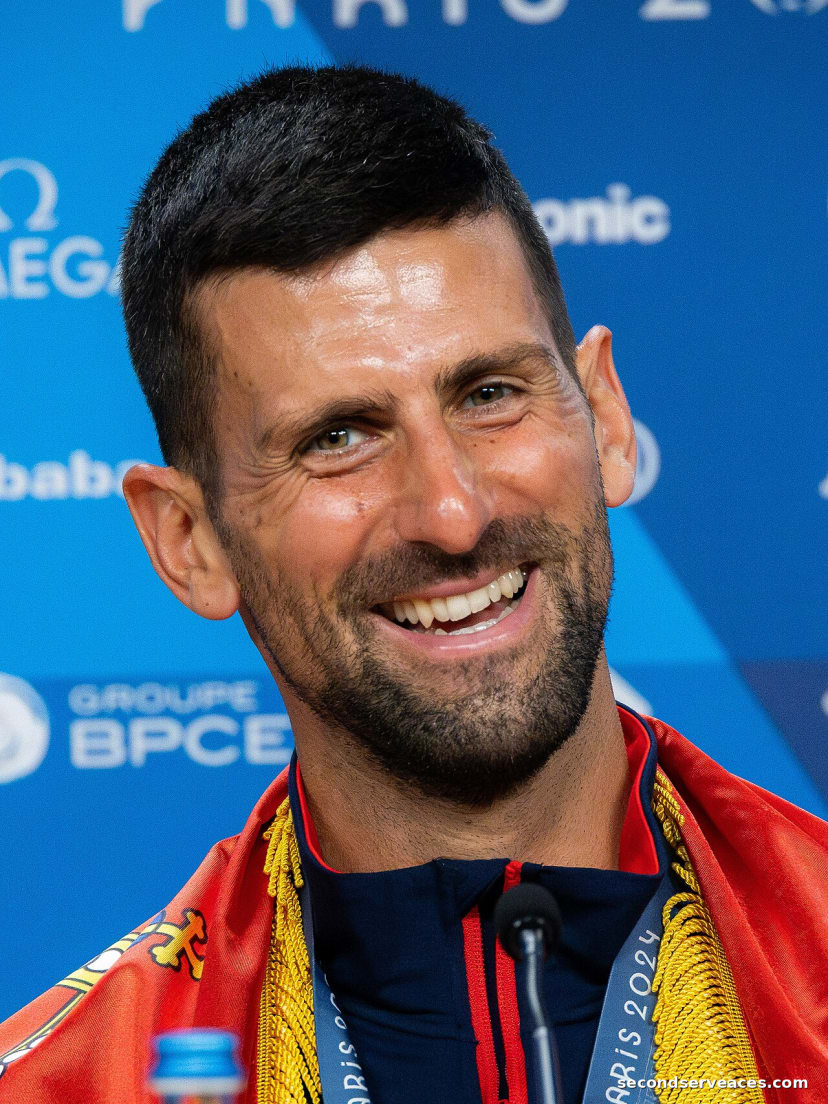
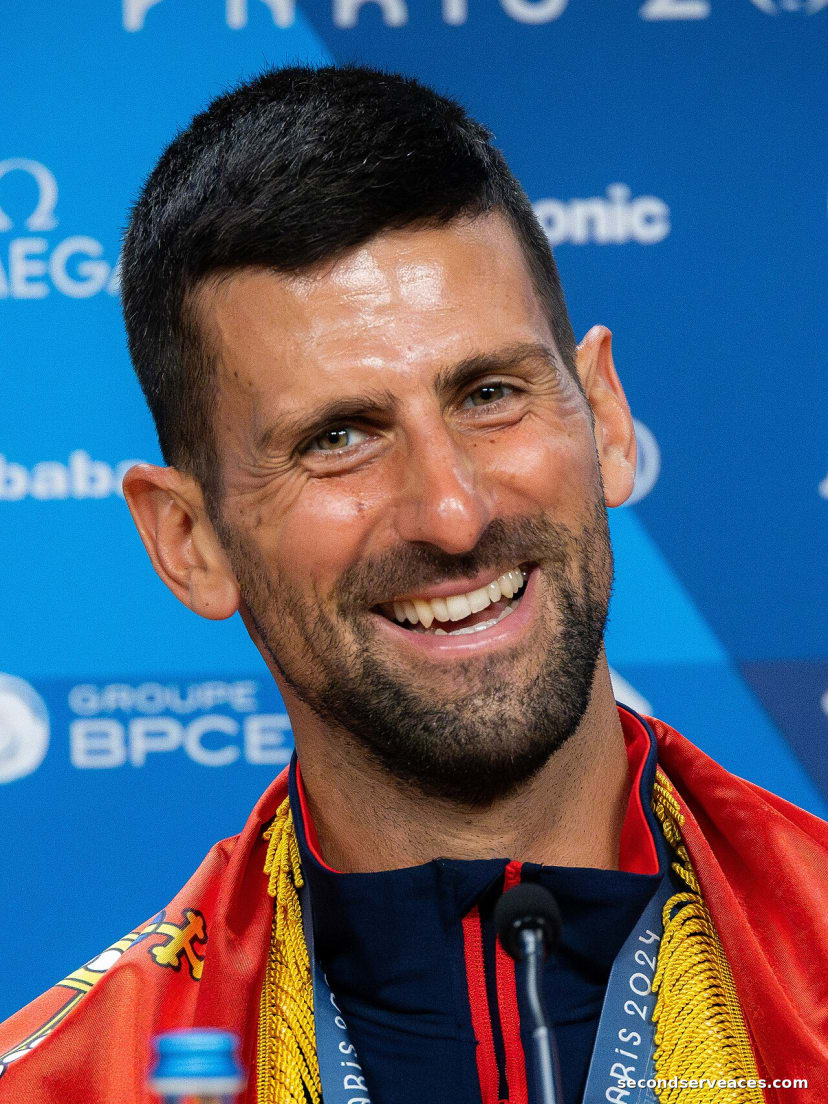
When you stand on the 18th green, the silence is a physical weight. It’s the same silence that rings in your ears before a second serve on break point. Rory McIlroy knows this space intimately, and lately, his focus has drifted to the dust and red clay of the Madrid Open, where the mental threshold for survival is pushed to its absolute limit.
Listen to the Second Serve Podcast
Get our daily AI-synthesized audio briefings and match reviews on the go.
The Architecture of Support
Greatness rarely travels alone, even if the result ends in a lonely walk to the locker room. McIlroy has found common ground with Rafael Nadal, a titan who understands that the grind doesn't stop at the baseline. During the 2026 Masters, the support wasn't just professional—it was personal. Nadal sent McIlroy voice notes, a bridge between two sports that demand a singular, obsessive focus.
For players like Carlos Alcaraz, who McIlroy connected with at the 2025 U.S. Open, this external support system is a vital stabilizer. It’s about managing the internal friction of high-stakes competition. When you are operating at the level of the ATP Tour, the difference between a champion and a runner-up is often just the ability to absorb pressure without fracturing.
Sinner and the Evolution of the Clay Game
We’ve watched Jannik Sinner dismantle opposition with a clinical efficiency that forces a rethink of traditional court positioning. His movement on the dirt has matured rapidly; the data shows Sinner has defeated Alcaraz twice in three meetings between 2025 and 2026. This isn't luck—it's a calculated breakdown of spin rates and baseline recovery speed that leaves opponents chasing shadows.
It’s no longer enough to just strike the ball cleanly. Sinner’s success on red clay highlights a shift toward high-velocity court coverage, forcing players to shorten their backswings to handle the kick. Watching him go toe-to-toe with the likes of Alexander Zverev provides a masterclass in modern tennis physics, a unique statistical dominance that has redefined how we analyze success in the current era.
The Next Wave and the Utility of Experience
The transition from the tour's established guard to the future is occurring in the most unforgiving venues. Seeing Alexander Blockx secure a semi-final appearance in Madrid is a reminder that the depth of the field is expanding. Experience is a teacher, but hunger is the catalyst that forces a player to dig into their tactical reserves.
For McIlroy, looking at these young players is like looking into a mirror. The hunger to compete, the willingness to suffer through the physical tax of a long tournament, and the reliance on a support network are universal constants. As the rankings shift, as seen in the latest ATP rankings, we are witnessing a tightening of the competitive gap where every swing counts.
The Psychological Parallels of Sport
Professional golf and tennis share a cruel reality: you are only as good as the next shot. McIlroy’s admiration for the top stars is rooted in the shared experience of mental fortitude. Whether it’s Sinner’s composure or Nadal’s endurance, these athletes treat the mental grind as an extension of their physical fitness.
To watch these legends is to see the endgame of years of discipline. It’s about the repetition, the refusal to collapse under pressure, and the clarity of mind when the stadium lights are at their brightest. In the end, the game is played against oneself; the opponent is merely the mirror reflecting our own flaws back at us.
What Carlos Alcaraz Plays With
Babolat Pure Aero 98
Babolat RPM Blast 1.30
Nike Vapor Pro 2
Analyze Rafael Nadal vs. Carlos Alcaraz
Predict tactical adjustments, momentum swings, and serve strategy options for this match-up using our AI simulator.
The Aces Tactical Panel
This report was curated and edited by Bhaskar Goel. Tactical analysis and technical insights were provided by our specialized panel of expert correspondents.
Julian Price
Senior Tactical Correspondent
Stuffy, pedantic British academic and historian specializing in match momentum and historical context.
Elena Cruz
Director of Analytical Research
Data scientist specializing in court surface physics and movement patterns.
Bhaskar
The Editor & Fan
Passionate tennis player and site editor bringing everyday amateur insights and relatable fan commentary.
Arthur Vance
Senior Existential Analyst
Deep, eccentric, and DFW-inspired. Models court metaphysics, kinetic beauty, and player psychology.
Leo Sterling
High-Performance Consultant
Hard-nosed ex-trainer from Melbourne with a no-nonsense view on tour fitness.