The 2025 French Open: A Crucible of Classical Combat
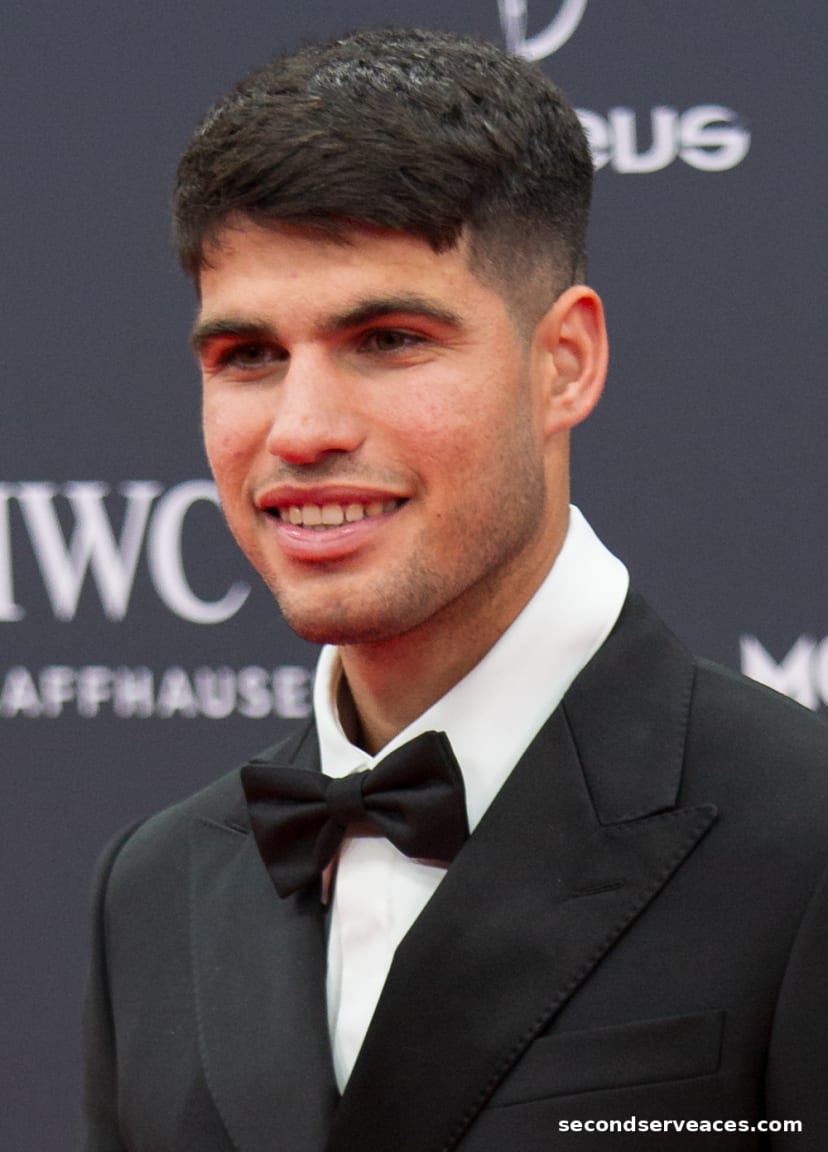
There was no room for synthetic drama at the 2025 Roland Garros, an event that reminded us why the red clay remains the ultimate test of character. In a men’s final that will be discussed in hushed, reverent tones for years, Carlos Alcaraz navigated the precipice of defeat, erasing three match points against the indomitable Jannik Sinner to hoist the Coupe des Mousquetaires in a grueling five-set odyssey.
Listen to the Second Serve Podcast
Get our daily AI-synthesized audio briefings and match reviews on the go.
While the men battled in the twilight, the women’s draw provided its own brand of fire. Coco Gauff, displaying the poise of a seasoned veteran, overcame the heavy artillery of Aryna Sabalenka to claim her place among the legends in Paris. These contests were won by grit, patience, and the ability to construct points over hours, not seconds.
The Australian Experiment and the Specter of the 'One Point Slam'
Across the globe, the tennis world watched a curious evolution unfold at the 2026 Australian Open. The introduction of the 'One Point Slam'—a high-stakes, sudden-death format—saw Sydney amateur Jordan Smith walk away with a cool A$1 million prize. It was a carnival atmosphere designed for the digital age, stripping the sport down to its most anxious, singular heartbeat.
Yet, for every innovation, there is a counter-reaction. The spectacle in Melbourne served as a catalyst for a broader debate regarding the sanctity of the Grand Slam format. While the prize money was astronomical, it drew as much ire as it did intrigue from those who hold the history of the sport in their marrow.
Amelie Mauresmo’s Defiant Stance on Parisian Authenticity
In the aftermath of the Melbourne fervor, the walls of the French federation stood firm. Amelie Mauresmo, the tournament director at Roland Garros, has officially ruled out implementing a 'One Point Slam' style event in Paris. Her message was as crisp as a drop shot: the tournament will remain committed to tradition and the authentic rhythm of clay-court tennis.
Mauresmo’s refusal to chase the gimmick trend reinforces the identity of the French Open as a bastion of endurance. By rejecting the compressed intensity of short-form formats, the tournament ensures that the test of physical and mental fortitude—the very essence of the sport—is never sacrificed for the sake of a viral highlight.
Current Landscapes and the Road Ahead
The tour continues to shift beneath our feet. While innovation remains a constant, the calendar suffers from the physical toll the game exacts on its brightest stars. The recent withdrawal of Novak Djokovic from the Madrid Open serves as a stark reminder that even the greatest players are subject to the limitations of the human frame.
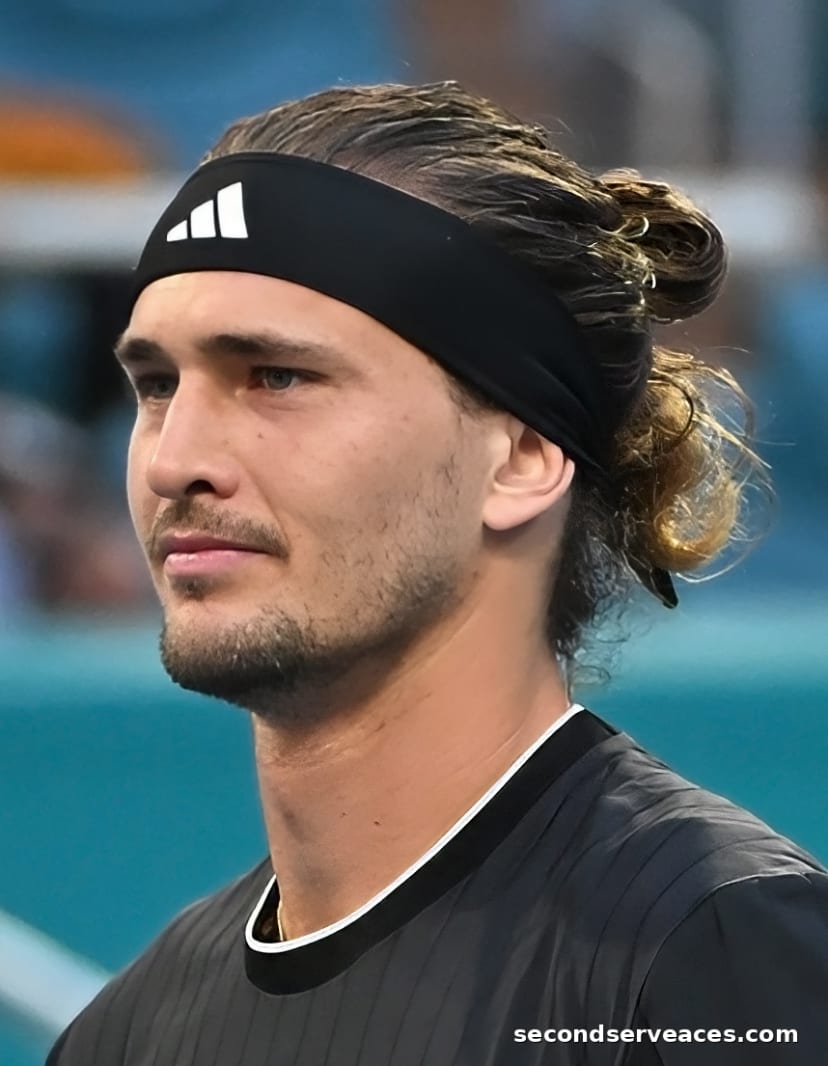
As we look toward the remainder of the season, the focus shifts back to established names and rising talents like Joao Fonseca, Alexander Zverev, and Cerundolo. Whether they are battling through five-set marathons or navigating the pressures of the tour, they do so on the established stage, keeping the flame of classical tennis burning bright without the need for manufactured gimmicks.
What Jannik Sinner Plays With
Head Speed MP 2024
Head Hawk Touch 1.25
Nike GP Challenge 1
Analyze Jannik Sinner vs. Carlos Alcaraz
Predict tactical adjustments, momentum swings, and serve strategy options for this match-up using our AI simulator.
The Aces Tactical Panel
This report was curated and edited by Bhaskar Goel. Tactical analysis and technical insights were provided by our specialized panel of expert correspondents.
Julian Price
Senior Tactical Correspondent
Stuffy, pedantic British academic and historian specializing in match momentum and historical context.
Elena Cruz
Director of Analytical Research
Data scientist specializing in court surface physics and movement patterns.
Bhaskar
The Editor & Fan
Passionate tennis player and site editor bringing everyday amateur insights and relatable fan commentary.
Arthur Vance
Senior Existential Analyst
Deep, eccentric, and DFW-inspired. Models court metaphysics, kinetic beauty, and player psychology.
Leo Sterling
High-Performance Consultant
Hard-nosed ex-trainer from Melbourne with a no-nonsense view on tour fitness.