Two Decades of High-Level Kinetic Output
In the modern era of the ATP Tour, sustained excellence is rarely quantified by longevity, yet the data surrounding career spans at the Masters 1000 level offers a startling look at physical and tactical preservation. Richard Gasquet, whose backhand remains one of the most aesthetically and functionally precise shots in the sport, officially bookended his Masters 1000 tenure between April 2002 and April 2025. This 23-year window is the gold standard for navigating the grueling demands of the tour, a period during which he accumulated 16 tour-level titles and peaked at world No. 7, according to official rankings data.
Listen to the Second Serve Podcast
Get our daily AI-synthesized audio briefings and match reviews on the go.
Gael Monfils is currently crafting his own historical narrative, with his Masters 1000 participation span reaching 21 years and 173 days. For a player whose game is predicated on explosive athleticism and lateral movement, this duration is an outlier. Monfils has managed his workload by strategically alternating his court positioning, moving from purely reactive defensive baselining to a more calculated, serve-plus-one approach that minimizes unnecessary mileage across the court.
Comparing the Temporal Footprint of the Greats
When we stack these career spans against the titans of the game, the hierarchy of endurance becomes clearer. Rafael Nadal maintains the third-longest span at the Masters level at 21 years and 28 days. His ability to maintain a high win percentage while managing chronic physical attrition is a study in tactical adaptation; he has systematically shortened rallies and increased the aggression on his first serve to stay viable in the deep stages of Madrid Open and other premier events.
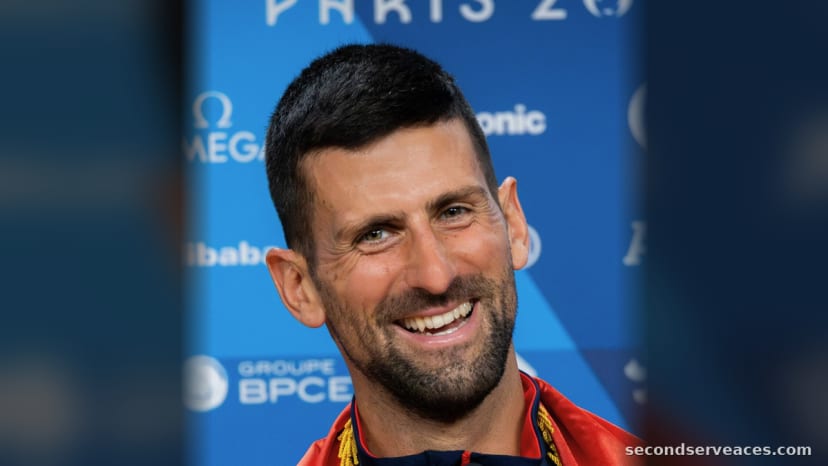
Novak Djokovic and Roger Federer, two players who effectively redefined the baseline, currently share a Masters career span of 20 years and 211 days. Their tactical discipline—specifically their efficiency in moving through the draw without extended three-set battles—allowed them to compress their physical output over two decades. While Gasquet’s longevity stands at the absolute pinnacle, the ability of these individuals to remain relevant as the game transitioned toward higher serve speeds and increased RPMs on groundstrokes is the definitive narrative of the last quarter-century.
| Player | Masters 1000 Career Span |
|---|---|
| Richard Gasquet | 23 Years (2002-2025) |
| Gael Monfils | 21 Years, 173 Days |
| Rafael Nadal | 21 Years, 28 Days |
| Novak Djokovic / Roger Federer | 20 Years, 211 Days |
What Novak Djokovic Plays With
Head Speed Pro
Luxilon ALU Power 125
Head Prime Tour (12-Pack)
Asics Court FF 3 Novak
Analyze Richard Gasquet vs. Moise Kouame
Predict tactical adjustments, momentum swings, and serve strategy options for this match-up using our AI simulator.
The Aces Tactical Panel
This report was curated and edited by Bhaskar Goel. Tactical analysis and technical insights were provided by our specialized panel of expert correspondents.
Julian Price
Senior Tactical Correspondent
Stuffy, pedantic British academic and historian specializing in match momentum and historical context.
Elena Cruz
Director of Analytical Research
Data scientist specializing in court surface physics and movement patterns.
Bhaskar
The Editor & Fan
Passionate tennis player and site editor bringing everyday amateur insights and relatable fan commentary.
Arthur Vance
Senior Existential Analyst
Deep, eccentric, and DFW-inspired. Models court metaphysics, kinetic beauty, and player psychology.
Leo Sterling
High-Performance Consultant
Hard-nosed ex-trainer from Melbourne with a no-nonsense view on tour fitness.