The Crucible of Paris
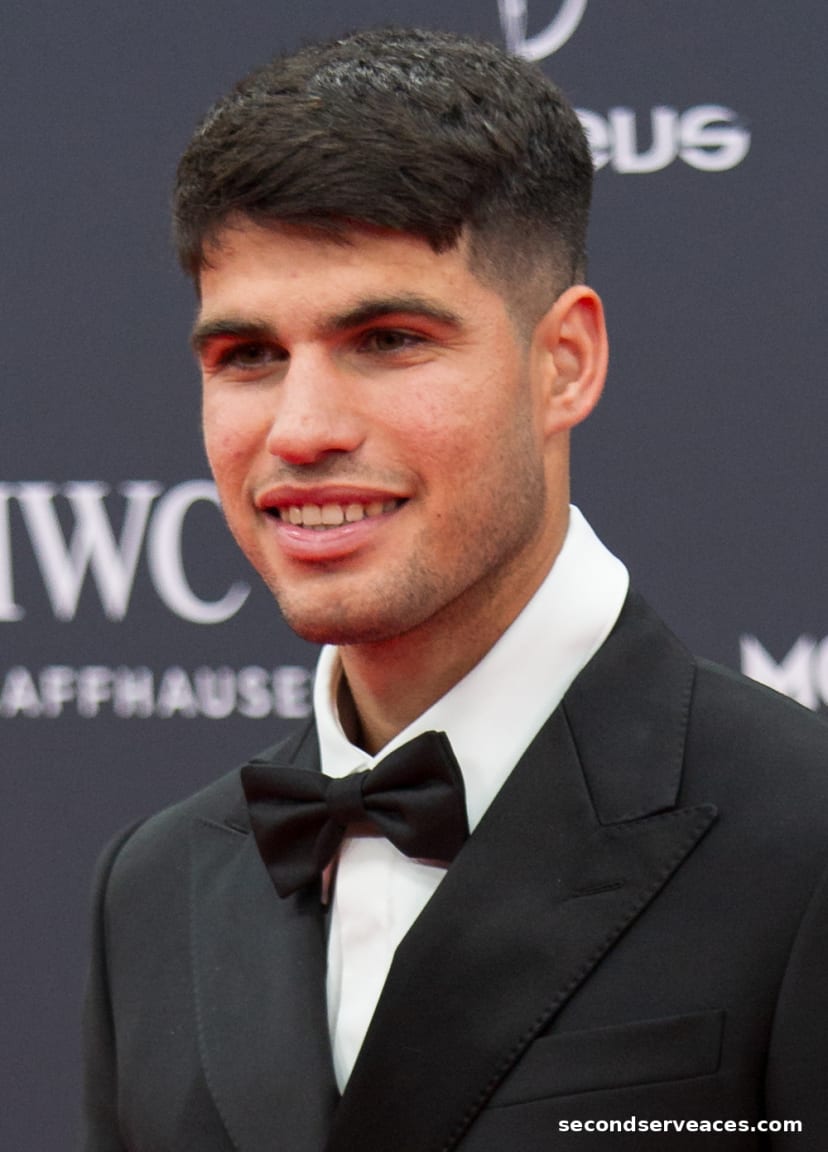
In the quiet moments before a match, you realize that tennis isn't just about the ball; it’s about the space between your ears. When Carlos Alcaraz secured his 6-3, 2-6, 5-7, 6-1, 6-2 victory over Alexander Zverev at Roland-Garros, we witnessed more than just a trophy lift. We saw the physical toll of a five-set war on red dirt. Alcaraz, fighting through the sheer willpower required to reset after dropping two consecutive sets, forced Zverev into a position where the German’s reliance on his father’s coaching couldn't bridge the gap in movement and creativity.
Listen to the Second Serve Podcast
Get our daily AI-synthesized audio briefings and match reviews on the go.
The Tactical Breakdown
To dismantle an opponent like Zverev on clay, you need to understand the geometry of the baseline. Zverev possesses a serve that acts as a fortress, but the 2024 final highlighted the cracks in that wall when pressured by elite court coverage. Alcaraz’s tactical signature is his ability to blend heavy topspin with sudden, jarring drop shots that negate the back-court depth Zverev thrives in.
- Court Geometry: Alcaraz forces opponents to defend wide, opening up the sharp-angled cross-court forehand that leaves the court exposed.
- Rally Tolerance: Zverev’s path to the final—navigating wins over Rafael Nadal, Holger Rune, and Casper Ruud—proved his stamina, but Alcaraz countered by increasing the point intensity in the final two sets.
- Net Approach Frequency: The shift in momentum came when Alcaraz chose to shorten points rather than engage in static backhand-to-backhand exchanges, where Zverev is most comfortable.
The Bigger Picture
Riccardo Piatti has been vocal about the landscape, identifying Zverev as the solitary figure capable of truly testing the young guard of Alcaraz and Jannik Sinner on this surface. Sinner’s own surge, highlighted by his recent 'Sunshine Double' in Indian Wells and Miami, has created a triumvirate of power at the top of the ATP rankings. For Zverev, falling at the final hurdle after a grueling path—including a notable victory against the king of clay himself, Rafael Nadal—is a harsh lesson in the margins of professional tennis. The narrative for the remainder of the season is clear: the gap between the pretenders and the champions is measured in the ability to hold steady when the match momentum swings from your hand into the opposition's.
What Carlos Alcaraz Plays With
Babolat Pure Aero 98
Babolat RPM Blast 1.30
Babolat VS Original (12-Pack)
Nike Vapor Pro 2
Analyze Carlos Alcaraz vs. Jannik Sinner
Predict tactical adjustments, momentum swings, and serve strategy options for this match-up using our AI simulator.
The Aces Tactical Panel
This report was curated and edited by Bhaskar Goel. Tactical analysis and technical insights were provided by our specialized panel of expert correspondents.
Julian Price
Senior Tactical Correspondent
Stuffy, pedantic British academic and historian specializing in match momentum and historical context.
Elena Cruz
Director of Analytical Research
Data scientist specializing in court surface physics and movement patterns.
Bhaskar
The Editor & Fan
Passionate tennis player and site editor bringing everyday amateur insights and relatable fan commentary.
Arthur Vance
Senior Existential Analyst
Deep, eccentric, and DFW-inspired. Models court metaphysics, kinetic beauty, and player psychology.
Leo Sterling
High-Performance Consultant
Hard-nosed ex-trainer from Melbourne with a no-nonsense view on tour fitness.