The Monday Collapse in Iași and the Stomach Illness Controversy
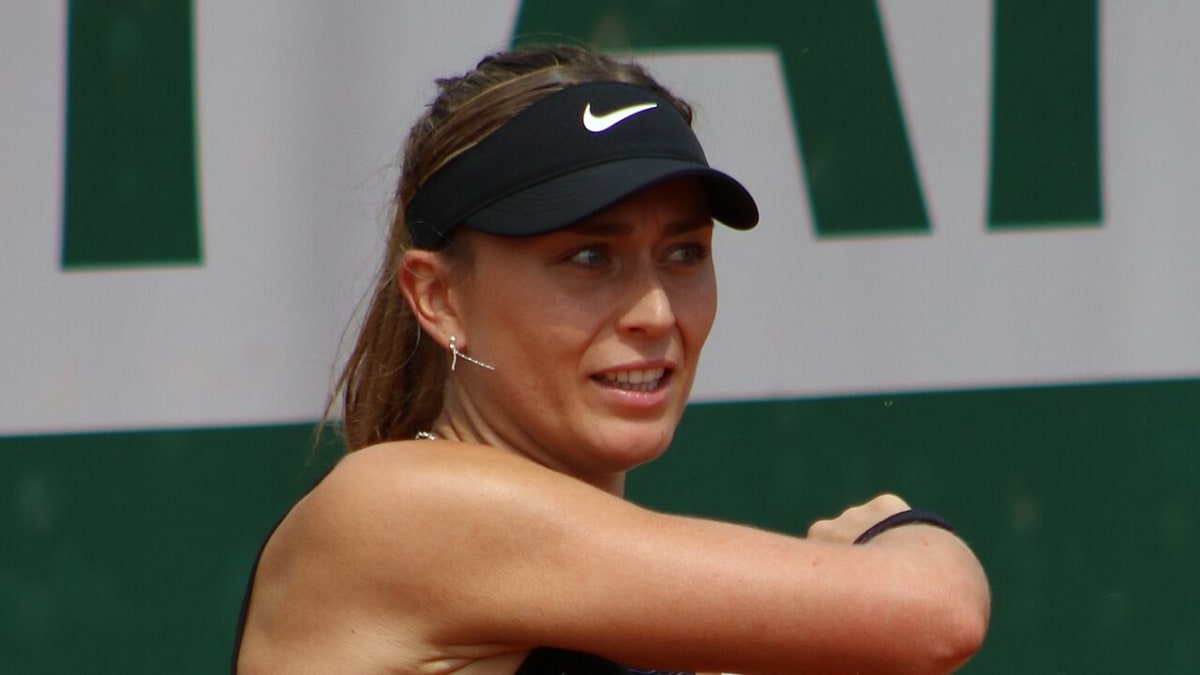
On Monday, July 20, Paula Badosa stood on the clay of Romania, her body refusing to cooperate. Trailing Egypt's Mayar Sherif 6-4, 4-0 in the Iași Open final, the Spanish star walked to the net and retired, handing the trophy to her opponent. The abrupt exit immediately raised alarms about her physical durability and her ability to protect crucial ranking points as she fights to climb back up the WTA rankings.
Listen to the Second Serve Podcast
Get our daily AI-synthesized audio briefings and match reviews on the go.
While initial speculation pointed to a recurring back injury that has plagued her career, sports commentator John Horn quickly clarified the situation. Badosa's retirement was caused by acute stomach issues rather than a structural musculoskeletal injury. This distinction is critical for her physical recovery timeline, as a systemic illness resolves far differently than a torn muscle or joint inflammation. We detailed the immediate fallout of this sudden retirement in our coverage of the Iași Open final.
Despite the medical explanation, the quick turnaround raised eyebrows across the tennis community. Walking away from a final when down a double break, only to board a flight and compete forty-eight hours later, tests the unwritten rules of locker room respect. The mental grind of professional tennis requires players to manage not just their bodies, but the optics of their competitive decisions under intense public scrutiny.
The Racket Throw Incident and Rising Court Tension
The physical collapse in the final was not the only source of friction surrounding Badosa's week in Romania. During her semifinal victory, frustration boiled over in a moment of pure raw emotion. Badosa flung her racket toward the stands, a dangerous release of pressure that landed just short of the spectators and narrowly avoided an immediate disqualification.
This flashpoint highlighted the immense psychological pressure Badosa is under as she attempts to rebuild her career standing. Currently sitting at World No. 93, every match feels like a survival battle, where one bad bounce can trigger an emotional eruption. The incident drew sharp criticism from analysts, echoing similar behavioral debates we explored in our analysis of her previous racket throw drama.
Controlling that inner fire is the ultimate challenge for an aggressive baseliner. When the line between intense competitive drive and reckless behavior blurs, it disrupts the match momentum and invites unnecessary external distractions. For Badosa, channelizing this volatility into clean topspin and disciplined point construction remains her primary developmental hurdle.
Two Days Later in Hamburg and the Kawa Victory
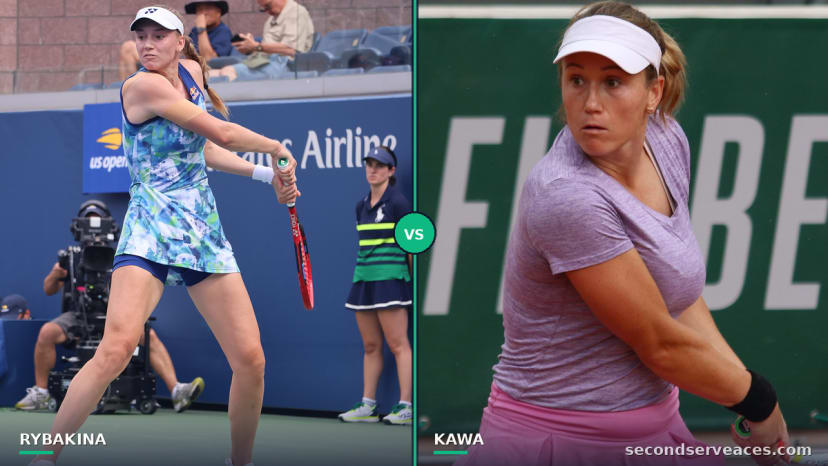
On Wednesday, July 22, just two days after her retirement in Romania, Badosa stepped onto the courts of the Hamburg Open. Facing Poland's Katarzyna Kawa in the first round, she needed to prove her physical readiness immediately. She secured a hard-fought 7-5, 6-4 victory, displaying a resilient baseline performance that silenced some of the immediate skeptics.
The match was a test of pure endurance and adaptability. Badosa struggled early with her timing, but her heavy groundstrokes eventually broke down Kawa's defensive barriers. By capturing the crucial break points in the late stages of both sets, she demonstrated that her stomach issues had subsided enough to withstand high-intensity baseline rallies.
This swift recovery sets up a highly anticipated second-round encounter against the tournament's No. 3 seed, Panna Udvardy. To advance further, Badosa must maintain this physical baseline and avoid the sudden energy drops that have characterized her recent campaigns. The tennis world will watch closely to see if her body can hold up under back-to-back tournament schedules.
The Long Road Back to the Top of the WTA Tour
At 28 years old, the Spanish powerhouse is fighting against time and her own physical limitations to re-enter the elite tier of the sport. Having once reached a career-high of World No. 2, her current double-digit ranking does not reflect her actual ceiling when healthy. The journey back requires a meticulous balance of tournament scheduling, load management, and mental fortitude.
Her aggressive style of play, detailed on her official Wikipedia profile, demands peak physical conditioning to dictate rallies from the baseline. Without the physical security of a fully resilient body, her tactical options shrink, forcing her into high-risk tennis that leads to unforced errors. Securing victories like the one against Kawa is essential for rebuilding the match-play confidence she needs.
Ultimately, Badosa's career trajectory will be defined by how she navigates these high-friction moments. The criticism from fans and peers serves as fuel for a player who has always worn her heart on her sleeve. As the season progresses, her ability to back up her physical recovery with consistent, deep tournament runs will determine if she can reclaim her spot among the game's elite.
Rivalry Matchup & Player Profiles
| Metric | Paula Badosa | Mayar Sherif |
|---|---|---|
| Rank | 93 | 55 |
| Age | 28 | 30 |
| Country | Spain | Egypt |
| Height | 1.80 m (5 ft 11 in) | 1.80 m (5 ft 11 in) |
| Handedness | Right-handed (two-handed backhand) | Right-handed (two-handed backhand) |
| Play Style | Aggressive baseliner | Endurance, patience, and tactical discipline |
| Career Titles | 4 WTA Tour singles titles | 2 WTA Tour singles titles |
The head-to-head history between Paula Badosa and Mayar Sherif reveals a fascinating contrast in styles. Sherif leads their professional matchup 2-1, with her most recent victory coming via Badosa's retirement in the 2026 Iași Open final. Sherif's tactical discipline, patience, and supreme physical endurance present a difficult matchup puzzle for Badosa's high-octane, aggressive baseline strikes.
While Badosa dominated their 2023 encounter in Charleston with a swift 6-3, 6-1 victory, Sherif's ability to extend rallies and exploit physical vulnerability has given her the upper hand in their overall rivalry. For Badosa to level this matchup in future meetings, she must match Sherif's defensive resilience without sacrificing the offensive weight of her topspin groundstrokes.
Essential Matchday Add-Ons
Tournament-tested accessories and high-frequency consumables every competitive player keeps in their bag.
Tourna Grip Original Dry Feel Overgrip (10-Pack)
4.8 ★ (12,000+ reviews)
The gold standard for sweaty hands. Proprietary dry feel absorbs moisture better as play intensifies.
Luxilon ALU Power 125 Silver String Set
4.9 ★ (3,500+ reviews)
Unrivaled control and spin potential used by over 50% of the ATP Top 100 players.
Babolat Custom Damp Vibration Dampener (2-Pack)
4.7 ★ (4,200+ reviews)
Customizable dampening with removable central O-ring for fine-tuning court feedback and sound.
Penn Championship Extra Duty Tennis Balls (4-Can Pack)
4.7 ★ (8,900+ reviews)
Official ball of USTA League Tennis with extra-duty felt designed for abrasive hard courts.
Analyze Paula Badosa vs. Mayar Sherif
Predict tactical adjustments, momentum swings, and serve strategy options for this match-up using our AI simulator.
The Aces Tactical Panel
This report was curated and edited by Bhaskar Goel. Tactical analysis and technical insights were provided by our specialized panel of expert correspondents.
Julian Price
Senior Tactical Correspondent
Stuffy, pedantic British academic and historian specializing in match momentum and historical context.
Elena Cruz
Director of Analytical Research
Data scientist specializing in court surface physics and movement patterns.
Bhaskar
The Editor & Fan
Passionate tennis player and site editor bringing everyday amateur insights and relatable fan commentary.
Arthur Vance
Senior Existential Analyst
Deep, eccentric, and DFW-inspired. Models court metaphysics, kinetic beauty, and player psychology.
Leo Sterling
High-Performance Consultant
Hard-nosed ex-trainer from Melbourne with a no-nonsense view on tour fitness.
Related Reports


Quick Answers
Why did Paula Badosa retire from the Iași Open final?+
Paula Badosa retired from the Iași Open final due to acute stomach issues, rather than a physical musculoskeletal injury.
What was the score of Badosa's first-round match at the Hamburg Open?+
Paula Badosa defeated Katarzyna Kawa 7-5, 6-4 in her opening match at the Hamburg Open.
Who is Paula Badosa scheduled to play next in Hamburg?+
Badosa is scheduled to face the tournament's No. 3 seed, Panna Udvardy, in the second round of the Hamburg Open.