The clay courts of the Mutua Madrid Open will miss one of the game's greatest tactical minds this year. Novak Djokovic has officially withdrawn from the event, citing ongoing physical issues that have kept him out of professional competition since his appearance at Indian Wells earlier this March.
Listen to the Second Serve Podcast
Get our daily AI-synthesized audio briefings and match reviews on the go.
For a player who has historically relied on his ability to absorb pace and grind down opponents from the back of the court, the decision to forego the Madrid altitude suggests a calculated approach to longevity. Without the match rhythm required to navigate the high-bouncing clay, Djokovic is choosing rest over the risk of further physical setback.
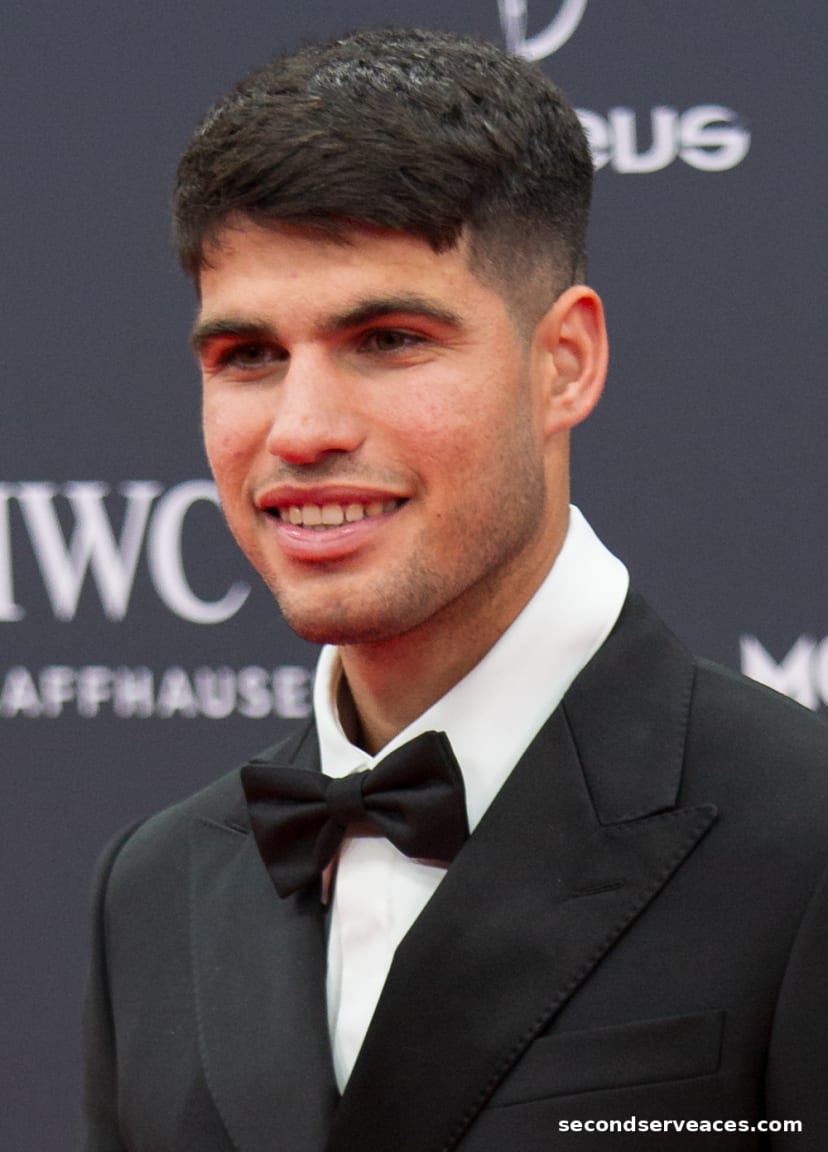
This absence leaves a significant void in the draw, altering the tactical landscape for favorites like Carlos Alcaraz and Taylor Fritz. As the ATP Tour continues, the absence of the world's most disciplined defensive player changes the geometry of the top half of the bracket.
Navigating the Physical Toll at Age 38
With his 39th birthday approaching on May 22, 2026, the physical realities of the tour have become an inescapable component of Djokovic’s scheduling. The torque required to maintain his signature backhand—a shot that remains the benchmark for neutral groundstroke efficiency—places immense strain on the kinetic chain.
Recovery periods have naturally lengthened as the veteran looks to mitigate wear and tear. By pulling out of Madrid, he avoids the jarring transition to red clay, preserving his movement patterns for higher-stakes environments where surface friction is more predictable and less taxing on the joints.
This is not a retreat, but a recalibration. We have seen Novak Djokovic lean on this conservative approach to scheduling previously, prioritizing the preservation of his explosive first step over the accumulation of ranking points during the spring swing.
The Long Game: Targeting Los Angeles 2028
Djokovic has explicitly maintained his intent to compete in the 2028 Los Angeles Olympics. This is the guiding principle behind his current transparency regarding his physical state; he is playing the longest game in tennis history, viewing individual tournaments as tactical waypoints rather than cumulative burdens.
Every match he misses now is a calculated sacrifice intended to extend his window for 2028. The shift in his calendar reflects a transition from volume-based consistency to peak-performance optimization, a necessary evolution for a player who has already claimed every major honor the sport offers.
His absence is a reminder that even for the game’s iron men, the margin between elite performance and injury is razor-thin. Whether or not he regains his match momentum in time for the summer remains the definitive question for the remainder of the season.
What Novak Djokovic Plays With
Head Speed Pro
Luxilon ALU Power 125
Asics Court FF 3 Novak
Analyze Novak Djokovic vs. Emma Raducanu
Predict tactical adjustments, momentum swings, and serve strategy options for this match-up using our AI simulator.
The Aces Tactical Panel
This report was curated and edited by Bhaskar Goel. Tactical analysis and technical insights were provided by our specialized panel of expert correspondents.
Julian Price
Senior Tactical Correspondent
Stuffy, pedantic British academic and historian specializing in match momentum and historical context.
Elena Cruz
Director of Analytical Research
Data scientist specializing in court surface physics and movement patterns.
Bhaskar
The Editor & Fan
Passionate tennis player and site editor bringing everyday amateur insights and relatable fan commentary.
Arthur Vance
Senior Existential Analyst
Deep, eccentric, and DFW-inspired. Models court metaphysics, kinetic beauty, and player psychology.
Leo Sterling
High-Performance Consultant
Hard-nosed ex-trainer from Melbourne with a no-nonsense view on tour fitness.