A Troubling Pattern of Absence on the Masters 1000 Circuit
The news is official: Novak Djokovic has withdrawn from the 2026 Madrid Open. This is not merely a single tournament miss; it is the third consecutive Masters 1000 event that the veteran has been forced to skip, following absences in Miami and Monte Carlo. For a player who relies on precise movement and endurance to dictate court positioning, these recurring physical setbacks are the most significant hurdles in his current campaign.
Listen to the Second Serve Podcast
Get our daily AI-synthesized audio briefings and match reviews on the go.
Since his last competitive appearance at Indian Wells, the gap in his match schedule has grown concerningly wide. The demands of the clay-court season require an absolute baseline of physical integrity to manage the sliding and the heavy, topspin-heavy rallies that define the surface. Without the match fitness that only tournament play provides, the challenge of returning to peak performance at the highest level becomes exponentially more difficult.
The absence leaves a gaping void in the draw for the Madrid Open. Historically, the altitude in Madrid changes the ball’s flight and speed, necessitating extreme tactical flexibility. By missing this stop, Djokovic loses valuable time to adjust his game to the unique, faster clay conditions of the Caja Mágica, a venue that demands both patience and aggressive point construction.
Jannik Sinner’s Unchecked Momentum
While Djokovic focuses on rehabilitation, Jannik Sinner has been busy rewriting the narrative of the 2026 season. Sinner’s dominance across the Sunshine Double and the Monte Carlo Masters—claiming all three titles—has effectively shifted the center of gravity on the ATP Tour. His ability to maintain consistent strike zones while transitioning from hard courts to clay has proven exceptional.
The statistical gap left by Djokovic’s inactivity has been filled by Sinner’s relentless offensive consistency. Sinner has shown an uncanny ability to shorten rallies through explosive court coverage and a backhand that remains remarkably stable under pressure. His transition from the hard courts of Indian Wells and Miami to the slower, tactical nuances of Monte Carlo illustrates a level of preparation that is setting the current gold standard for the field.
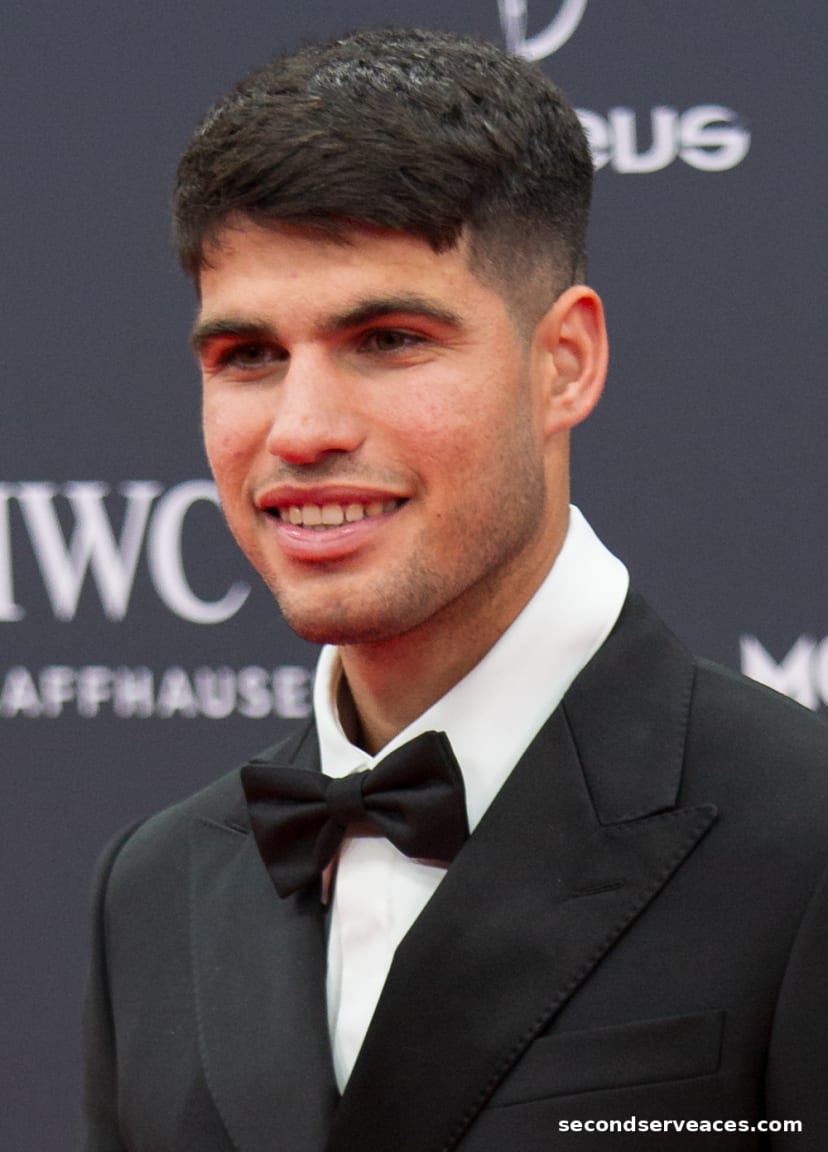
Other contenders are also feeling the physical toll. Carlos Alcaraz has been forced to withdraw from the Barcelona Open due to a right-wrist injury, highlighting how volatile the physical state of the top seeds currently is. Furthermore, Jack Draper, another rising force, saw his Barcelona campaign cut short against Tomas Martin Etcheverry due to a knee injury, illustrating the high-impact reality of the current clay circuit.
Tactical Adjustments and the Toll of the Clay
The clay-court grind is unforgiving, especially when the body is not at 100%. For players like Djokovic, the inability to execute his usual tactical patterns—specifically his lateral recovery and court-length dictation—means he cannot leverage his deep defensive game to frustrate opponents. On clay, the margins for error are razor-thin, and any physical restriction immediately handicaps the ability to pivot and reload on the backhand wing.
The landscape of the ATP is shifting rapidly as these physical limitations force a change in the hierarchy. Players like Tomas Martin Etcheverry, who demonstrated grit in their encounters, are seizing these opportunities to climb the rankings while the established leaders navigate recovery protocols. This is a crucial phase where tactical depth is replacing raw physical longevity as the primary driver of success.
Ultimately, the upcoming weeks will reveal whether this pause is a strategic reset or a sign of deeper structural concerns. The Madrid Open will proceed with a field missing its most decorated player, opening the door for new storylines to emerge. For the fans and analysts alike, the primary question remains: how will the tour adapt when the most experienced tactical mind in the sport is sidelined from the most important clay-court tests?
What Novak Djokovic Plays With
Head Speed Pro
Luxilon ALU Power 125
Asics Court FF 3 Novak
Analyze Novak Djokovic vs. Jack Draper
Predict tactical adjustments, momentum swings, and serve strategy options for this match-up using our AI simulator.
The Aces Tactical Panel
This report was curated and edited by Bhaskar Goel. Tactical analysis and technical insights were provided by our specialized panel of expert correspondents.
Julian Price
Senior Tactical Correspondent
Stuffy, pedantic British academic and historian specializing in match momentum and historical context.
Elena Cruz
Director of Analytical Research
Data scientist specializing in court surface physics and movement patterns.
Bhaskar
The Editor & Fan
Passionate tennis player and site editor bringing everyday amateur insights and relatable fan commentary.
Arthur Vance
Senior Existential Analyst
Deep, eccentric, and DFW-inspired. Models court metaphysics, kinetic beauty, and player psychology.
Leo Sterling
High-Performance Consultant
Hard-nosed ex-trainer from Melbourne with a no-nonsense view on tour fitness.