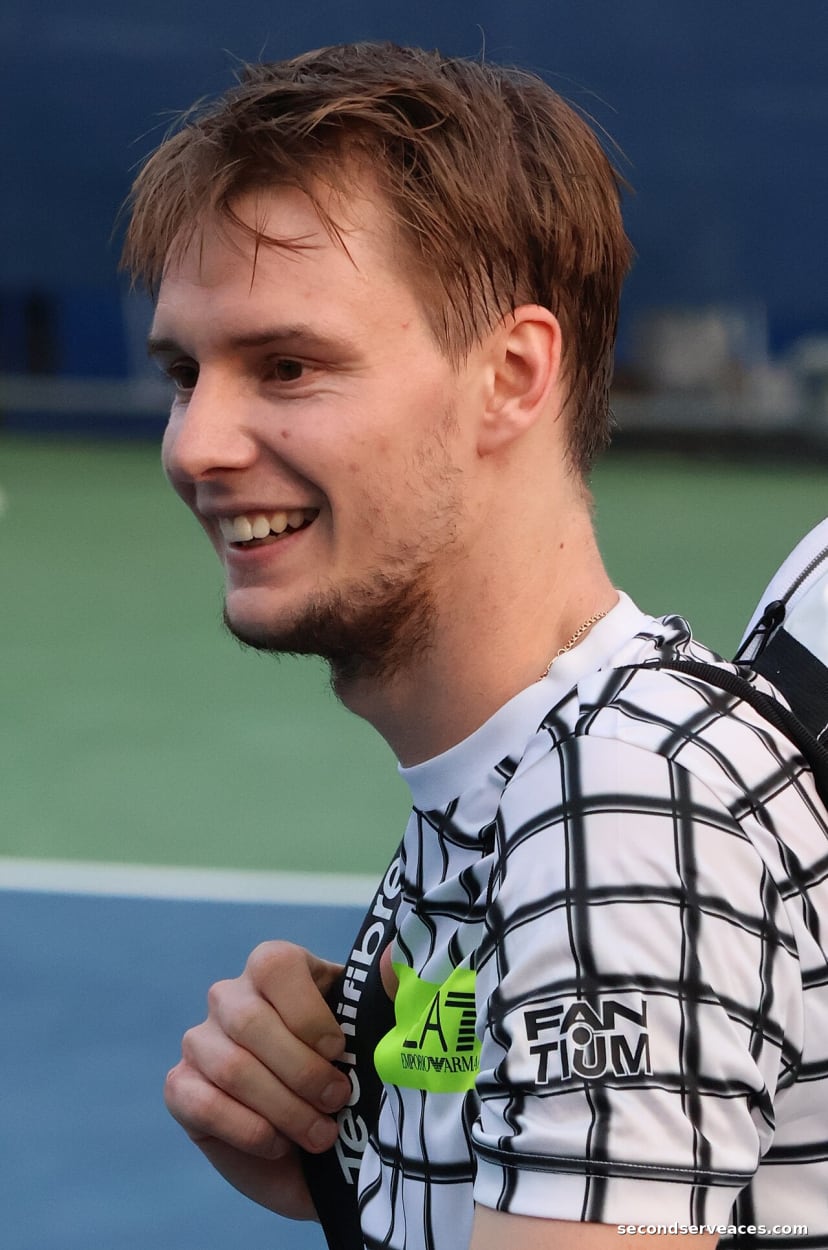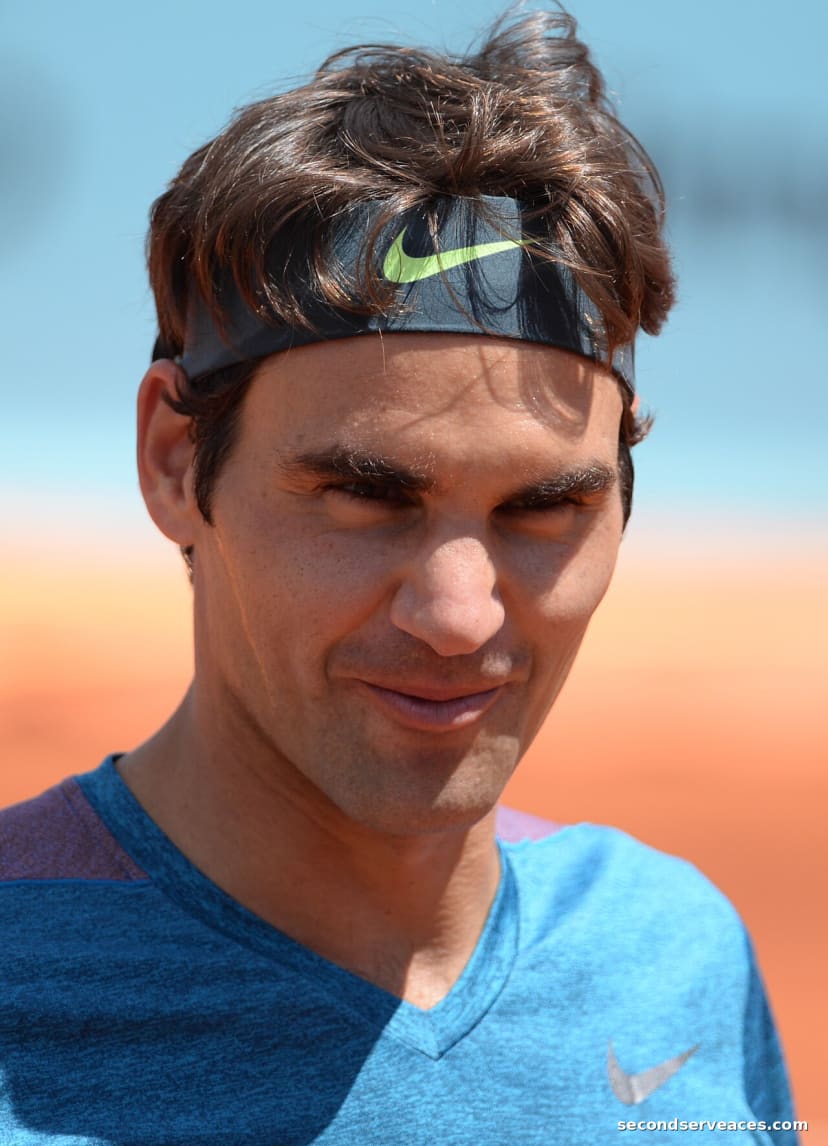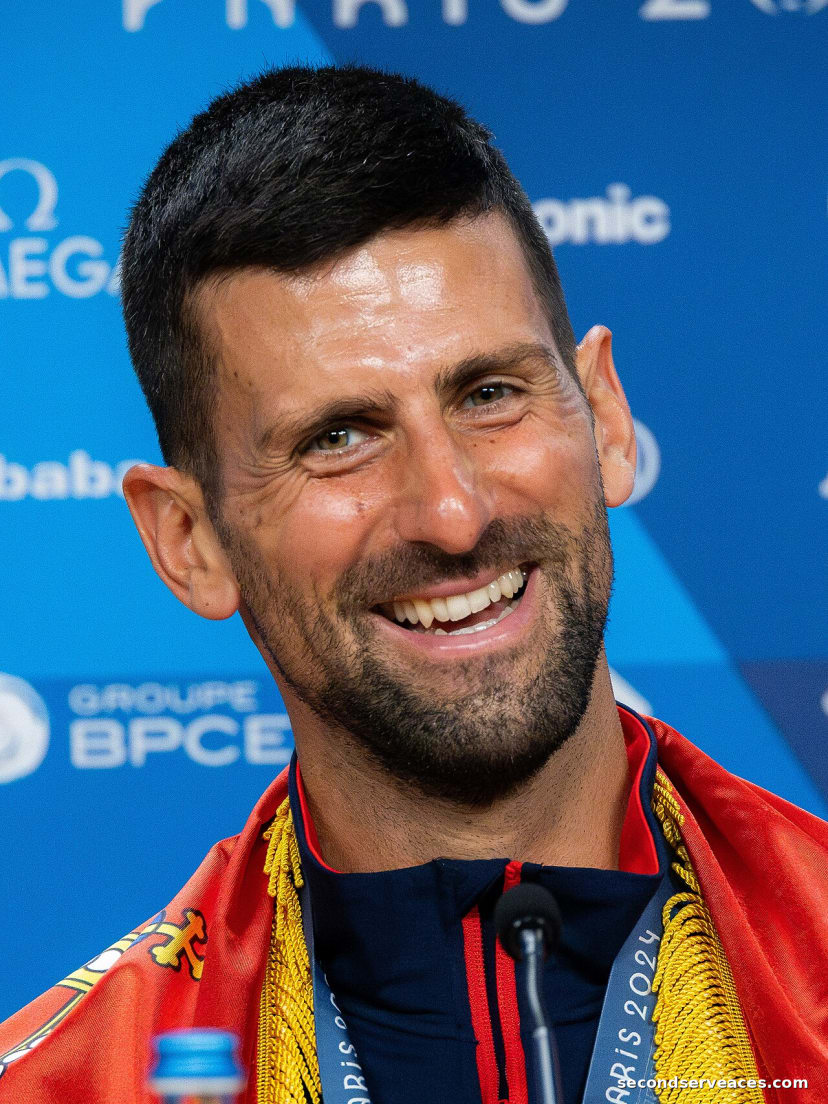
In the relentless churn of the professional tour, consistency is the ultimate currency. This week, Novak Djokovic reached a statistical echelon that underscores a level of endurance rarely seen in the history of the sport. Following the latest developments at the Monte Carlo Masters—specifically the quarterfinal run of Felix Auger-Aliassime—Djokovic has officially pushed his record for weeks spent inside the top five of the ATP rankings to 859.
Listen to the Second Serve Podcast
Get our daily AI-synthesized audio briefings and match reviews on the go.
This achievement marks a definitive transition in the record books, as he moves past the previous benchmark held by Roger Federer. To remain within that elite quintet for over 16 years is a testament to meticulous court positioning and the ability to dictate match momentum even as fields get younger and faster.
The Statistical Landscape
To understand the magnitude of this hold, one must look at the data points that define elite-level staying power:
| Record Category | Leader | Weeks Held |
|---|---|---|
| ATP Top 5 Appearances | Novak Djokovic | 859+ |
| ATP Top 10 Appearances | Roger Federer | 968 |
What the Numbers Reveal
- The Benchmark: Djokovic currently sits at 859 weeks in the top five, eclipsing Federer’s historical mark.
- The Field: While Felix Auger-Aliassime showed significant form in Monte Carlo, the delta between the current guard and the legends remains defined by this sheer longevity.
- Next Steps: Djokovic, currently ranked world No. 4, turns his attention to the Madrid Open, where the slow-court surface will demand a recalibration of his defensive depth.
While the focus is often on the immediate flash of a break point, these numbers remind us that greatness is a marathon. Djokovic’s transition from the baseline to the net in the latter half of his career has mitigated the physical tax, allowing him to bypass the traditional decline phase of his rivals. As he heads to Madrid, the conversation shifts from whether he can perform, to how much further he can stretch these historic thresholds.
What Jannik Sinner Plays With
Head Speed MP 2024
Head Hawk Touch 1.25
Head Prime Tour (12-Pack)
Nike GP Challenge 1
Analyze Jannik Sinner vs. Novak Djokovic
Predict tactical adjustments, momentum swings, and serve strategy options for this match-up using our AI simulator.
The Aces Tactical Panel
This report was curated and edited by Bhaskar Goel. Tactical analysis and technical insights were provided by our specialized panel of expert correspondents.
Julian Price
Senior Tactical Correspondent
Stuffy, pedantic British academic and historian specializing in match momentum and historical context.
Elena Cruz
Director of Analytical Research
Data scientist specializing in court surface physics and movement patterns.
Bhaskar
The Editor & Fan
Passionate tennis player and site editor bringing everyday amateur insights and relatable fan commentary.
Arthur Vance
Senior Existential Analyst
Deep, eccentric, and DFW-inspired. Models court metaphysics, kinetic beauty, and player psychology.
Leo Sterling
High-Performance Consultant
Hard-nosed ex-trainer from Melbourne with a no-nonsense view on tour fitness.