A Career Defined by Physical Resilience Now Faces a Crucial Test
Let’s be honest: the tour hasn't been the same since Novak Djokovic walked off the court after that defeat to Jack Draper at Indian Wells. We’re talking about the current world number four, a man who usually dictates the terms of engagement, now sidelined by a shoulder injury that has kept him out of the conversation for months.
Listen to the Second Serve Podcast
Get our daily AI-synthesized audio briefings and match reviews on the go.
It’s a frustrating reality for anyone who loves the sport. Djokovic has opted for a conservative approach, withdrawing from the Miami Open, the Monte Carlo Masters, and the Madrid Open. You don’t skip stops like those unless your body is screaming for a ceasefire. In a game where every millisecond of racquet-head speed depends on the health of that shoulder, this isn't just a minor niggle; it’s a massive question mark hovering over the upcoming French Open.
We’ve seen him battle back from the brink before, but the landscape of the ATP Tour has shifted. Following his loss to Jannik Sinner at the 2026 Australian Open final, the hunger from the younger generation has hit a boiling point. If Djokovic wants to be a factor on the red clay, he needs more than just optimism—he needs that shoulder to hold up under the relentless, heavy topspin that characterizes the surface.
The Strategic Gamble of Prolonged Absence
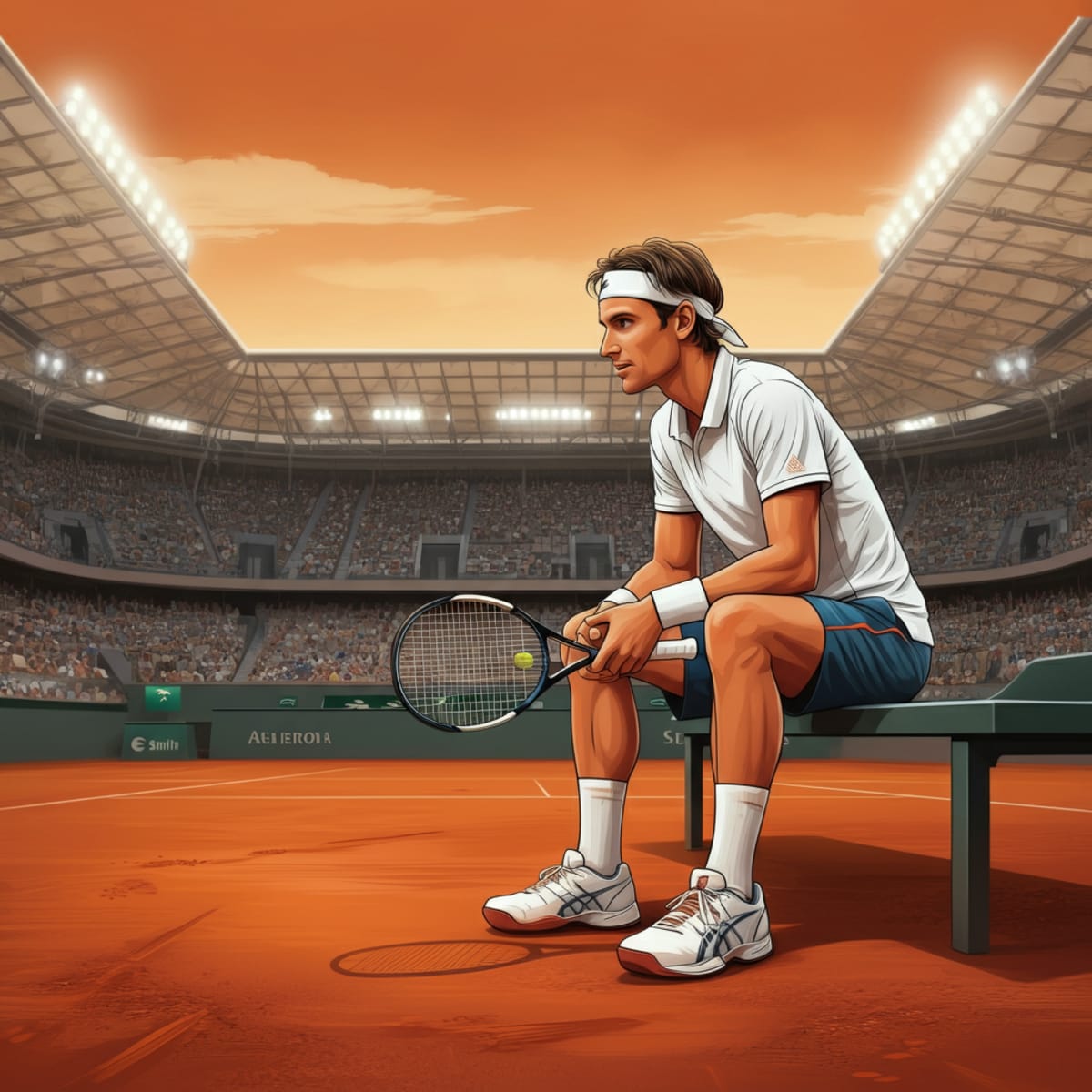
Choosing to sit out the entire clay-court warmup circuit is a high-stakes gamble. Djokovic is betting that his experience is worth more than the match-fitness he’s currently forfeiting. He’s betting that he can step onto the court at Roland-Garros and immediately find the rhythm that made him the best in the world. But let's call it like it is: you can't simulate the intensity of a high-leverage break point in a training session.
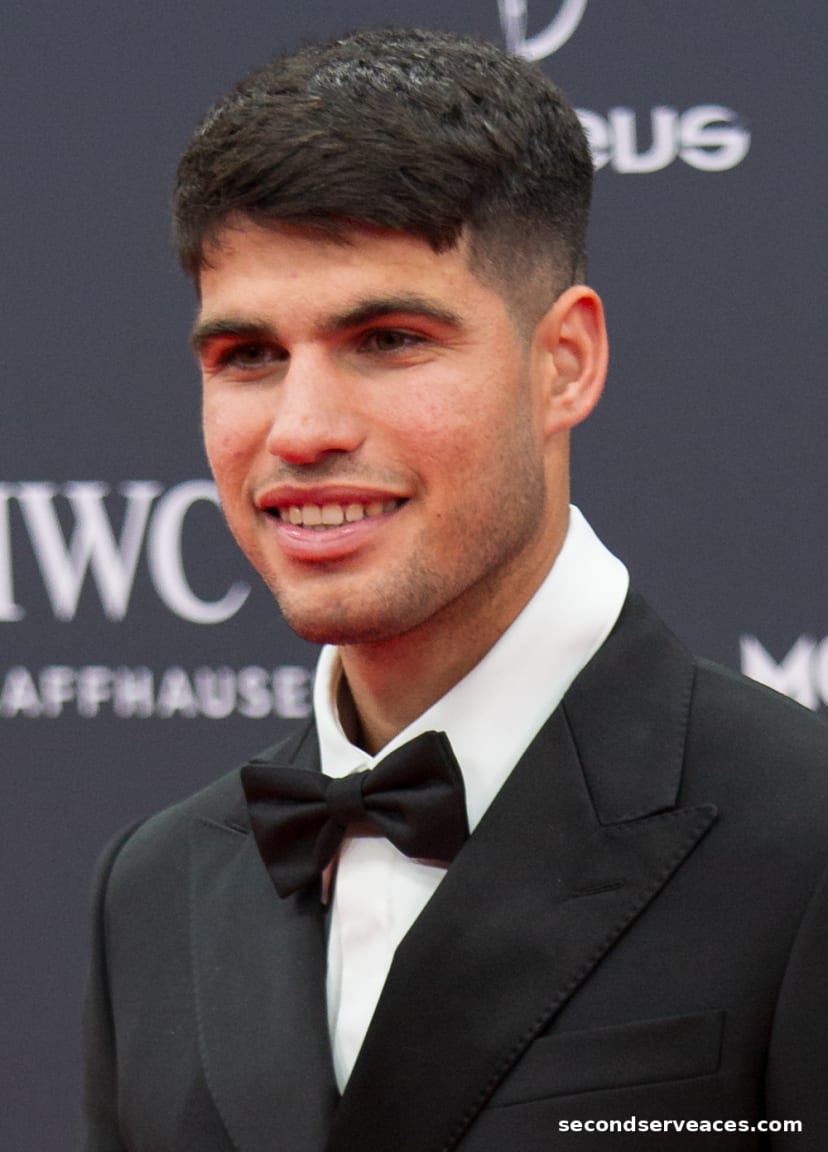
The absence of regular competition means he hasn't faced the kind of pressure that Carlos Alcaraz, Felix Auger-Aliassime, or Ben Shelton are currently generating every single week. When you remove yourself from the tour for this long, you lose that sharp, match-hardened instinct. It’s like trying to play a concerto after the orchestra has been warming up without you for three months.
Even with the legendary guidance of people like Toni Nadal lurking in the periphery of tennis strategy, no amount of coaching can replace the healing time for a shoulder joint. The recovery process is unforgiving. If he pushes too early, he risks a long-term setback that could jeopardize more than just one tournament. He’s threading a very thin needle here.
The New Guard and the Vacuum at the Top
While the world number four sits in a treatment room, the rest of the tour is busy evolving. Sinner’s victory in January wasn't a fluke; it was a sign of a seismic shift. The field is deeper than it has been in years, and guys like John Isner’s successors are hammering winners from every corner of the court. The days of cruise-control for the veterans are officially over.
Can a man who hasn't played a competitive match in months simply turn it back on? History says yes, but the data says this is his toughest mountain yet. The injury—specifically the shoulder—is the one thing that can derail the best service motion in the business. Without that free points-generator, he’s going to have to work twice as hard to defend his territory on the clay.
I’m not betting against him because I know what he’s capable of, but I am saying the margin for error is zero. He’s going to arrive in Paris with the eyes of the entire world on his shoulder. If he can survive the first week without a flare-up, we might see something special. But if the pain persists? We might be watching the final chapters of a long, historic story.
What Novak Djokovic Plays With
Head Speed Pro
Luxilon ALU Power 125
Asics Court FF 3 Novak
Analyze Novak Djokovic vs. Jack Draper
Predict tactical adjustments, momentum swings, and serve strategy options for this match-up using our AI simulator.
The Aces Tactical Panel
This report was curated and edited by Bhaskar Goel. Tactical analysis and technical insights were provided by our specialized panel of expert correspondents.
Julian Price
Senior Tactical Correspondent
Stuffy, pedantic British academic and historian specializing in match momentum and historical context.
Elena Cruz
Director of Analytical Research
Data scientist specializing in court surface physics and movement patterns.
Bhaskar
The Editor & Fan
Passionate tennis player and site editor bringing everyday amateur insights and relatable fan commentary.
Arthur Vance
Senior Existential Analyst
Deep, eccentric, and DFW-inspired. Models court metaphysics, kinetic beauty, and player psychology.
Leo Sterling
High-Performance Consultant
Hard-nosed ex-trainer from Melbourne with a no-nonsense view on tour fitness.