The Physical Toll of the Lawn After Months in the Shadows
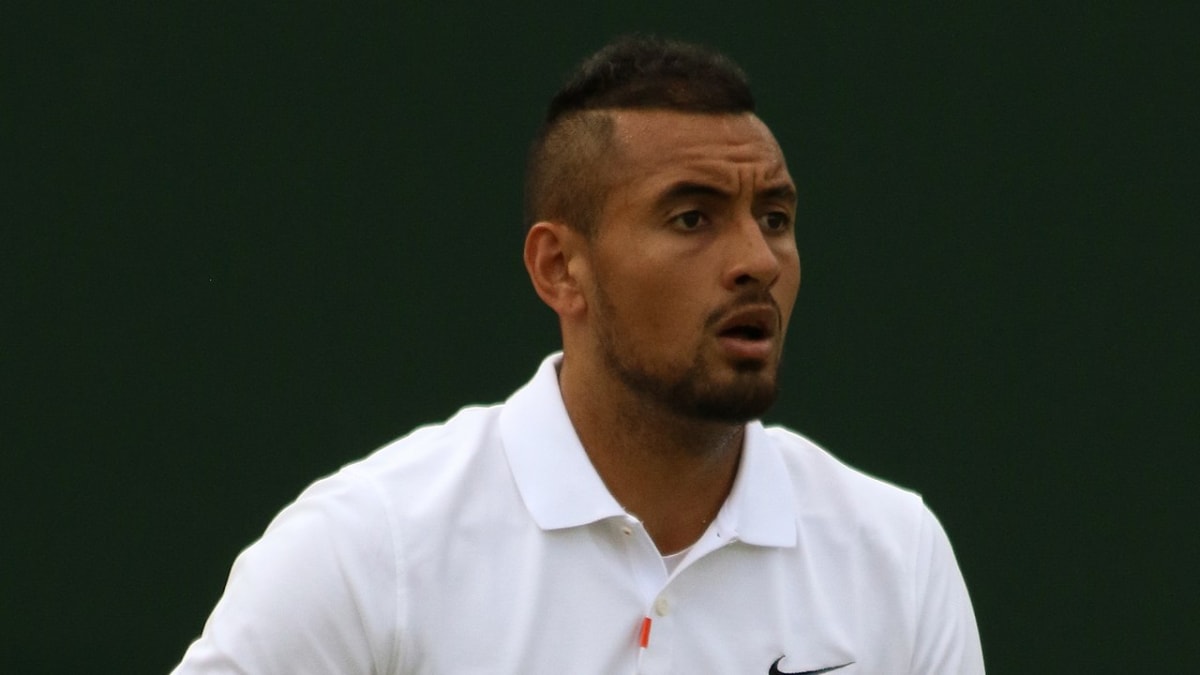
Tennis is an open book, but the pages are written in sweat and scar tissue. When Nick Kyrgios stepped onto the grass courts of the Stuttgart Open, he wasn't just playing against Sho Shimabukuro; he was playing against his own body's history. After securing his first tour-level win since March 2025 by defeating eighth seed Corentin Moutet in the opening round (as we detailed in our previous coverage of his opening match), the Australian wildcard found himself locked in a deeper, more brutal physical trial.
Listen to the Second Serve Podcast
Get our daily AI-synthesized audio briefings and match reviews on the go.
The opening set looked like classic Kyrgios. The serve was a weapon of pure kinetic violence, cutting through the heavy German air and finding the slick corners of the service box. He took the first set 6-4, looking every bit the grass-court virtuoso who can turn any match into an exhibition of raw power. But grass-court tennis is a game of micro-adjustments, where a fraction of a second's hesitation in your footwork can ruin your entire baseline rhythm.
As the second set wore on, the lack of match play began to creep into Kyrgios' movement. The explosive lunges that make his defense so deceptive started to look heavy, burdened by the long months away from the ATP Tour. Shimabukuro, a qualifier who had already adjusted to the speed of these courts through multiple qualifying rounds, sensed the shift in energy and began to extend the rallies, forcing the Australian to play extra shots.
How Shimabukuro's Flat Backhand Neutralised the Kinetic Energy of the Australian's Serve
The tactical battleground shifted entirely in the second set. Shimabukuro stopped trying to match Kyrgios' raw pace and instead focused on redirecting it. By taking the ball incredibly early and using a remarkably flat backhand, the Japanese qualifier kept the ball low, refusing to let it rise into Kyrgios' strike zone. This low-skidding ball trajectory is the ultimate test of knee strength and core stability on a grass court.
Kyrgios tried to counter this by mixing in his signature slice, but the physical grind of holding serve under constant pressure began to wear him down. In the second-set tiebreak, every single point felt like a mini-drama. Shimabukuro stayed incredibly disciplined, refusing to commit unforced errors, and eventually snatched the tiebreak 7-5. The crowd watched as the momentum, which had once felt entirely in the Australian's hands, began to slip away like sand through fingers.
This is where the mental grind of professional tennis becomes agonizingly visible. When you haven't played competitive matches consistently, your brain knows exactly what shot to hit, but your muscles refuse to execute the command with the same split-second precision. Shimabukuro's relentless depth from the baseline exposed this exact gap in Kyrgios' current physical preparation, turning the match into a war of attrition.
The Decisive Break and the Agony of Vanishing Match Momentum
By the time the third set commenced, the physical toll of the match was undeniable. Kyrgios' first-serve percentage began to dip, giving Shimabukuro the looks he needed to tee off on second serves. In the crucial moments of the deciding set, the qualifier found the break of serve he needed, pushing himself into a lead that Kyrgios simply did not have the physical reserves to claw back.
The final scoreline of 4-6, 7-6 (7-5), 6-4 tells a story of a battle won in the margins. Shimabukuro served out the match with a composure that belied his qualifier status, leaving Kyrgios to ponder the long road of physical rehabilitation that still lies ahead. For the Australian, this wasn't just a loss; it was a stark reminder that talent alone cannot bypass the physical dues that must be paid on the practice court.
The defeat cut short what many hoped would be a deep run in Stuttgart, but the reality of the sport is that there are no shortcuts. Every match is an honest mirror. Shimabukuro's victory earns him a spot further in the draw, while Kyrgios must regroup and look toward the upcoming grass tournaments, including Wimbledon, where the physical demands will only intensify over five-set battles.
Rain Delays and the Broader Grass-Court Boardroom
While Kyrgios and Shimabukuro fought their three-set war, the rest of the Stuttgart draw saw top seeds assert their authority. Taylor Fritz, Jiri Lehecka, and Frances Tiafoe all navigated their respective matches successfully to progress further into the tournament. Their victories set up a highly competitive quarterfinal lineup, showing that the grass-court season is quickly heating up despite the unpredictable weather.
Elsewhere in Europe, the weather proved to be the toughest opponent of the day. At 's-Hertogenbosch, top seed Felix Auger-Aliassime managed to defeat Marton Fucsovics 6-3, 6-4 before heavy rain disrupted the rest of the play. Meanwhile, a complete washout on Thursday at the Queen's Club in London left players like Daniel Evans waiting in the locker room. This disruption adds immediate pressure to Evans, who recently made headlines regarding his long-term career plans, which we discussed when Dan Evans Announces Retirement After Wimbledon.
The mental toll of waiting out rain delays is a silent killer in tennis. Players sit in lounges for hours, warming up and cooling down repeatedly, trying to keep their minds sharp while the rain beats down on the canvas. As the tour moves closer to the third Grand Slam of the year, these physical and mental disruptions will separate those who can adapt from those who crack under the pressure of the grass-court season.
What Taylor Fritz Plays With
Head Radical MP 2024
Yonex Poly Tour Strike
Tourna Grip Original (10-Pack)
Analyze Nick Kyrgios vs. Sho Shimabukuro
Predict tactical adjustments, momentum swings, and serve strategy options for this match-up using our AI simulator.
The Aces Tactical Panel
This report was curated and edited by Bhaskar Goel. Tactical analysis and technical insights were provided by our specialized panel of expert correspondents.
Julian Price
Senior Tactical Correspondent
Stuffy, pedantic British academic and historian specializing in match momentum and historical context.
Elena Cruz
Director of Analytical Research
Data scientist specializing in court surface physics and movement patterns.
Bhaskar
The Editor & Fan
Passionate tennis player and site editor bringing everyday amateur insights and relatable fan commentary.
Arthur Vance
Senior Existential Analyst
Deep, eccentric, and DFW-inspired. Models court metaphysics, kinetic beauty, and player psychology.
Leo Sterling
High-Performance Consultant
Hard-nosed ex-trainer from Melbourne with a no-nonsense view on tour fitness.
Related Reports


Quick Answers
What was the score of the match between Nick Kyrgios and Sho Shimabukuro in Stuttgart?+
Sho Shimabukuro defeated Nick Kyrgios 4-6, 7-6 (7-5), 6-4 in the second round of the Stuttgart Open.
Who did Nick Kyrgios defeat in the first round of the Stuttgart Open?+
Nick Kyrgios defeated eighth seed Corentin Moutet in the first round to secure his first tour-level win since March 2025.
Which other players progressed in the Stuttgart Open draw?+
Taylor Fritz, Jiri Lehecka, and Frances Tiafoe all won their respective matches to progress in Stuttgart.