Let's get right to the point. The comeback trail is never paved with freshly swept clay, and Naomi Osaka is finding out the hard way. After crashing out of the Miami Open with a jarring 7-5, 6-4 defeat to Australian qualifier Talia Gibson, the four-time Grand Slam champion is officially pulling the plug on her Charleston Open appearance.
Listen to the Second Serve Podcast
Get our daily AI-synthesized audio briefings and match reviews on the go.
Entering the Florida hard courts as the 16th seed and enjoying the luxury of a first-round bye, dropping a straight-sets match in your opener is a bitter pill to swallow. It raises immediate questions about her readiness for the grueling European dirt, prompting a massive shift in her calendar.
The Schedule Shakeup
- Osaka has formally withdrawn from the Charleston Open, which is set to begin on March 28th.
- She suffered a 7-5, 6-4 upset in her opening Miami Open match against qualifier Talia Gibson.
- Her camp is now committing to a highly abbreviated clay-court schedule, hoping to compete only at Madrid, Rome, and the French Open.
The Tactical Breakdown
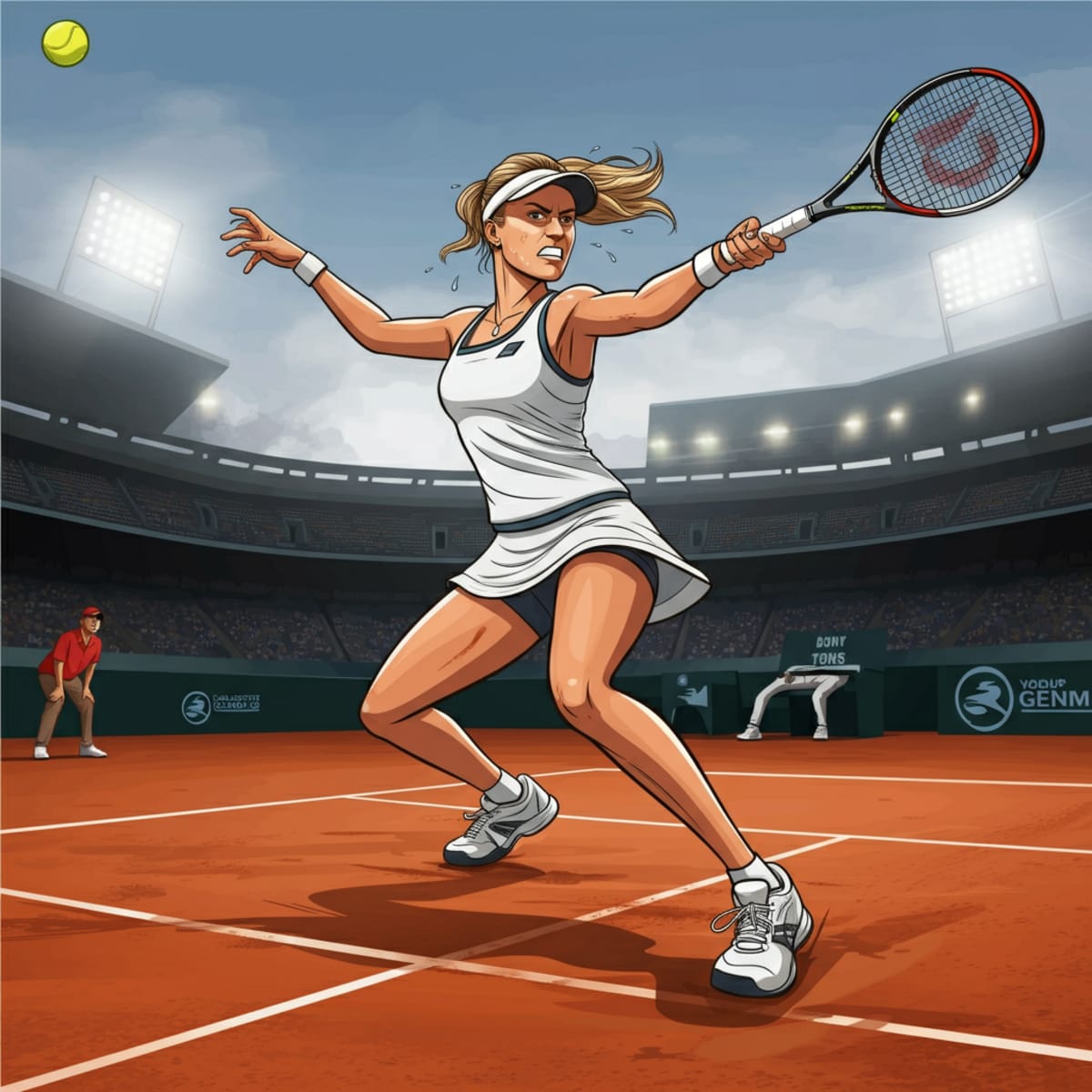
When you are a seeded player stepping onto the court with fresh legs off a bye, you expect to dictate the court geometry. Instead, Gibson entirely flipped the script. Osaka's brand of tennis relies heavily on first-strike aggression—blistering first serves followed by immediate baseline dominance to shorten points. Historically, when that rhythm is disrupted by an opponent willing to dig deep and absorb pace, Osaka can drift into a high-risk, high-error pattern.
Talia Gibson, carrying the undeniable match momentum of surviving the qualifying rounds, refused to panic against Osaka's immense power. By keeping her returns deep and demanding one extra shot per rally, the Australian effectively neutralized Osaka's primary weapons. In professional tennis, the margins are razor-thin. If an opponent forces you to hit a fourth or fifth aggressive topspin forehand from uncomfortable defensive positions while staring down a crucial break point, the unforced errors will inevitably pile up. Gibson exploited the lateral movement gaps that naturally linger when a power-hitter is still recalibrating her competitive edge against match-tough opposition.
The Bigger Picture
Skipping Charleston isn't just a reaction to a bad loss; it's a necessary triage. Let's be brutally honest—clay has never been Osaka's sanctuary. Her movement on the surface requires sliding and defensive scrambling, which inherently dilutes her overwhelming hard-court power advantage.
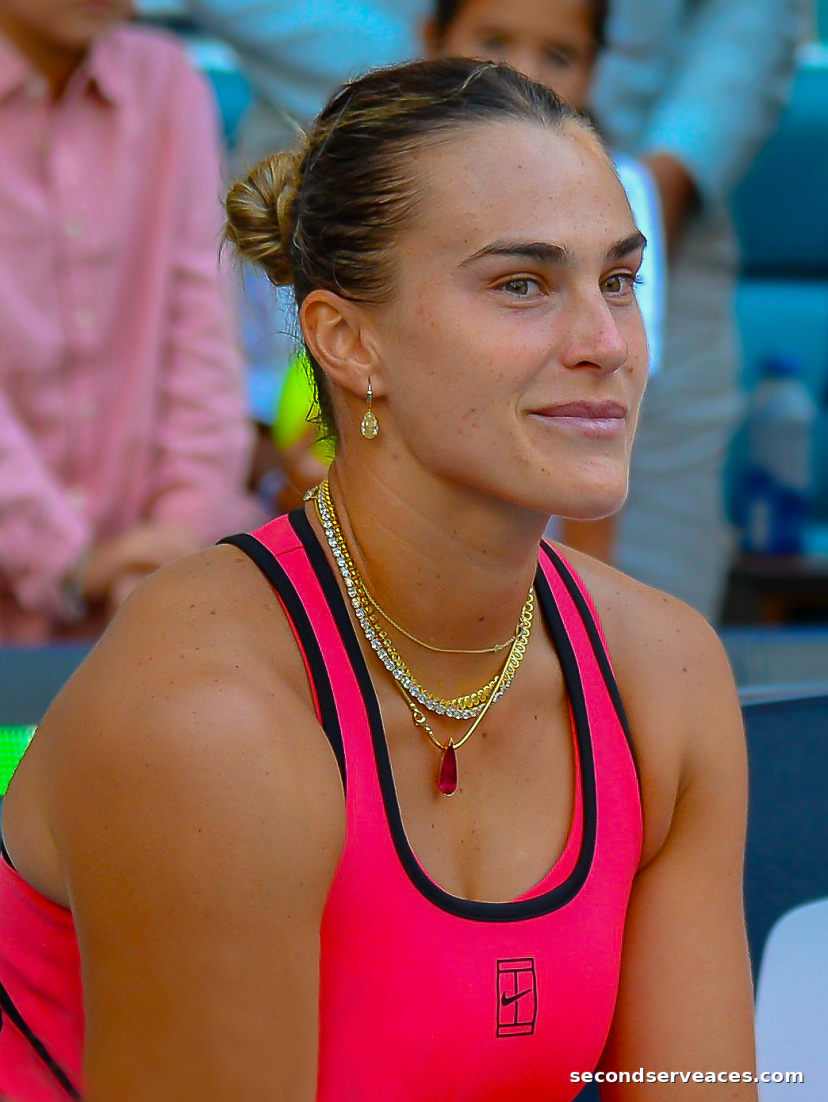
By compressing her schedule to focus strictly on the mandatory events in Madrid and Rome before heading to Roland Garros, her team is prioritizing physical preservation over raw match reps. This reduced calendar mirrors a growing WTA Tour trend where elite ball-strikers protect their bodies for the Majors. Consider top-tier peers like Aryna Sabalenka, who recognize the exhausting physical toll of the European dirt and meticulously map out their tournament peaks to avoid mid-season burnout.
For Osaka, this abbreviated run means she will arrive at the French Open with minimal mileage but maximum pressure. She won’t have the cushion of minor tournaments to iron out her topspin mechanics or defensive slides. Every match in Madrid and Rome will act as a high-stakes litmus test for her Parisian ambitions. The Miami loss to Gibson wasn't just a bad day at the office—it fundamentally altered her runway into the second Grand Slam of the year.
What Aryna Sabalenka Plays With
Wilson Blade 98 v9 (16x19)
Luxilon ALU Power 125
Analyze Naomi Osaka vs. Talia Gibson
Predict tactical adjustments, momentum swings, and serve strategy options for this match-up using our AI simulator.
The Aces Tactical Panel
This report was curated and edited by Bhaskar Goel. Tactical analysis and technical insights were provided by our specialized panel of expert correspondents.
Julian Price
Senior Tactical Correspondent
Stuffy, pedantic British academic and historian specializing in match momentum and historical context.
Elena Cruz
Director of Analytical Research
Data scientist specializing in court surface physics and movement patterns.
Bhaskar
The Editor & Fan
Passionate tennis player and site editor bringing everyday amateur insights and relatable fan commentary.
Arthur Vance
Senior Existential Analyst
Deep, eccentric, and DFW-inspired. Models court metaphysics, kinetic beauty, and player psychology.
Leo Sterling
High-Performance Consultant
Hard-nosed ex-trainer from Melbourne with a no-nonsense view on tour fitness.