Listen to me, because I’m only going to say this once: you don't defend a prestigious title by throwing your racket around like a toddler denied a shiny new toy. But that is exactly what we witnessed in the California desert today.
Listen to the Second Serve Podcast
Get our daily AI-synthesized audio briefings and match reviews on the go.
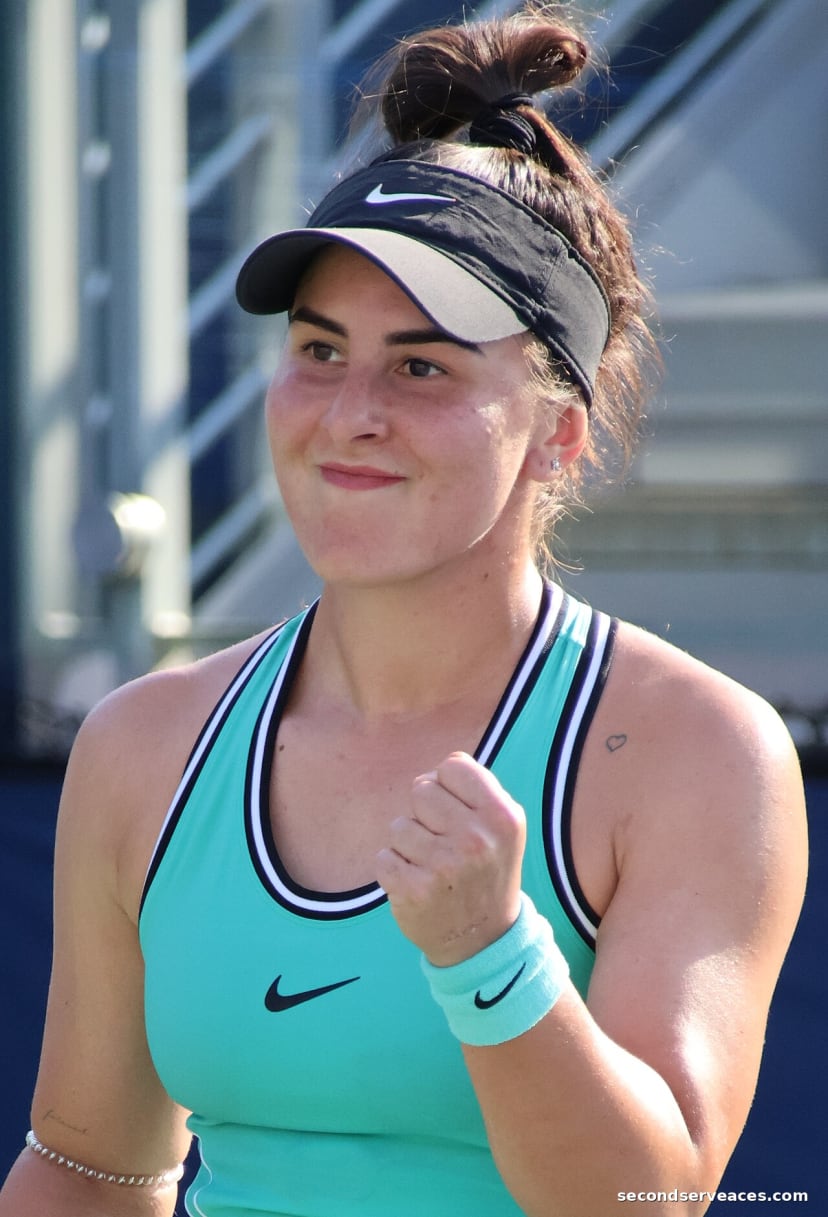
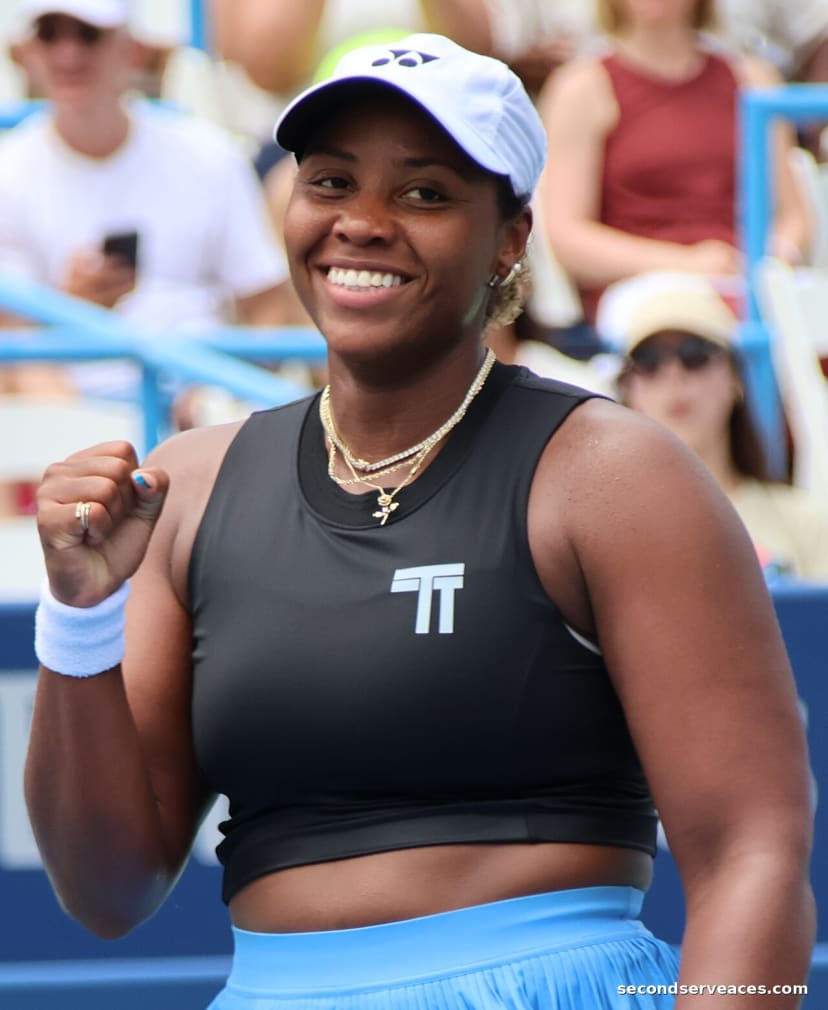
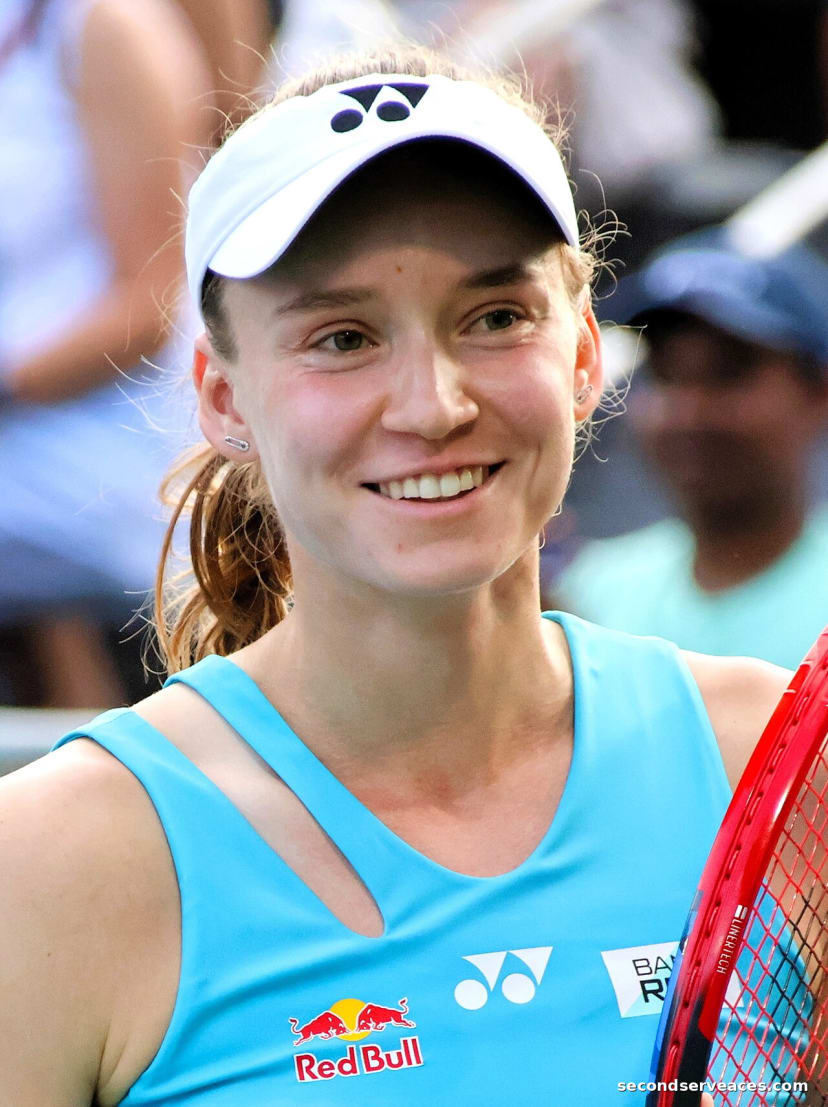
In a match that had more emotional swings than a Broadway drama, defending Indian Wells champion Mirra Andreeva’s run came to a crashing, frustrating halt. Katerina Siniakova, sitting at world No. 44 at the time of the match, completely derailed the teenager’s title defense with a bruising, bad-tempered 4-6, 7-6, 6-3 victory.
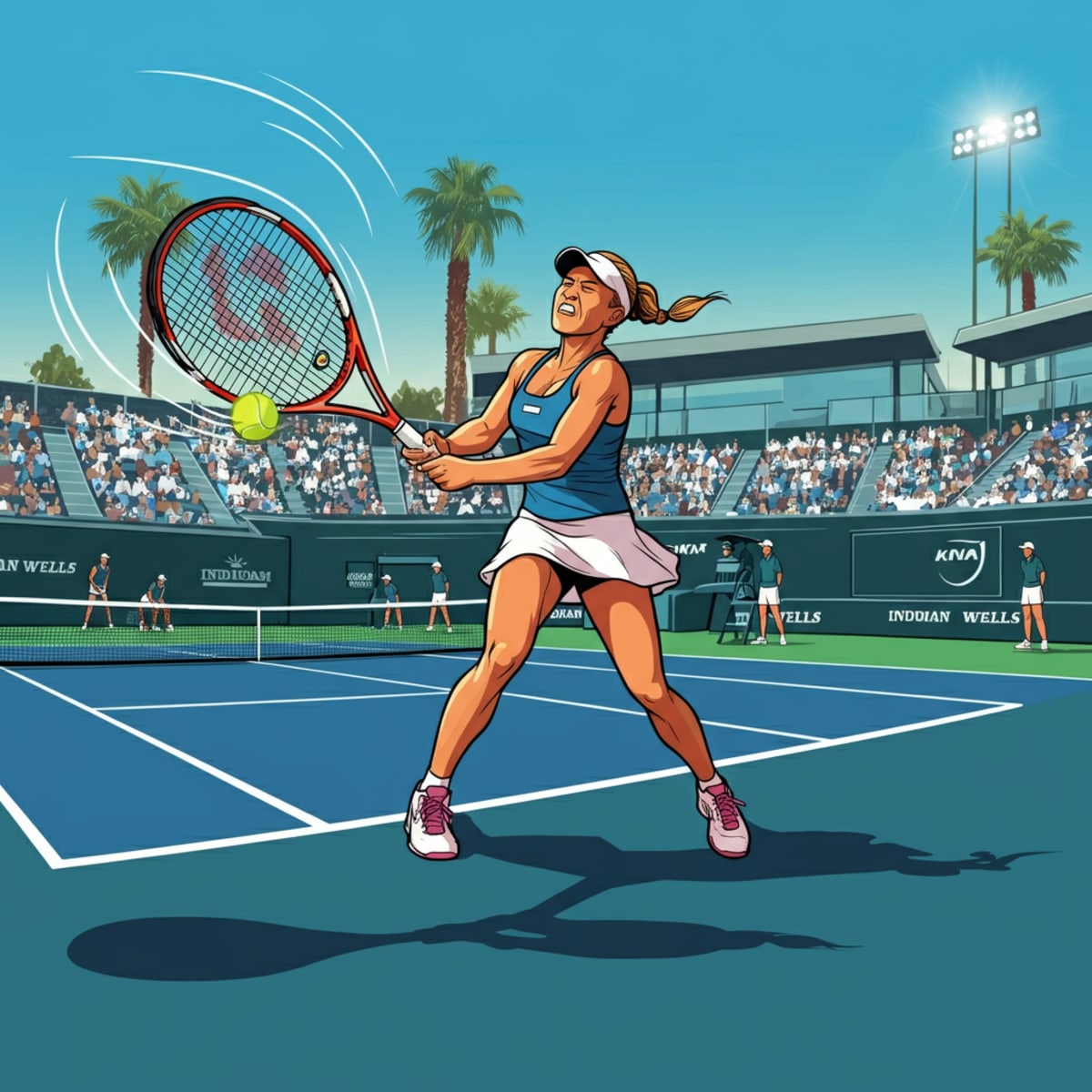
It was a stunning reversal of fortune. Let's look at the facts: Andreeva kicked off her Indian Wells campaign looking absolutely unplayable. She opened her title defense by handing Solana Sierra a merciless 6-0, 6-0 double-bagel defeat. She looked dialed in. She looked ready to cement her legacy. But when Siniakova dragged her into the deep waters of a grinding three-setter, the teenager’s composure evaporated into the dry desert air. Andreeva was seen throwing her racket on several occasions as the match slipped through her fingers.
I’ve been there. I know what it feels like when the strings won't do what your brain is screaming at them to do. But champions find a way to channel that rage into a heavy topspin forehand, not into the concrete.
The Tactical Breakdown
Let's get down to the absolute brass tacks of why this upset happened. Siniakova didn't just out-hit Andreeva; she out-thought her, broke her rhythm, and ultimately broke her spirit.
Siniakova is a master of court geometry. When you possess the kind of world-class doubles pedigree that Siniakova has, you aren't afraid of the net, and you aren't afraid of chaos. Andreeva, like many modern baseliners, thrives on rhythm. She wants you to feed her pace so she can redirect it. Siniakova entirely refused to play that game.
- Disrupting the Baseline Rhythm: Instead of engaging in predictable cross-court rallies, Siniakova varied her depths and spins. She hit heavy topspin to push Andreeva off the baseline, followed by biting slices that forced the teenager to generate her own pace from awkward, low positions.
- Controlling Match Momentum: After dropping the first set 4-6, Siniakova didn't panic. She recognized that the pressure was entirely on the defending champion. By keeping the second set tight and pushing it to a tiebreak, Siniakova shifted the psychological burden onto Andreeva. Winning that tiebreak was the undeniable turning point of the match.
- Applying Front-Court Pressure: Siniakova’s volleying instincts are second to none. Whenever Andreeva left a ball short—often a symptom of tight, nervous footwork—Siniakova was at the net to close out the point, refusing to give Andreeva a look at a passing shot.
When you take a rhythm player and force them to constantly adjust, frustration is the natural byproduct. You could see the tension mounting on every crucial break point. Andreeva wasn’t just fighting Siniakova; she was fighting her own racket, the ball, and the suffocating pressure of expectations.
The Bigger Picture
This match is a textbook example of the brutal reality of professional tennis. It is one thing to arrive at a tournament as an underdog, play with house money, and shock the world. It is an entirely different beast to return to the scene of your triumph, with your face on the posters and a giant target painted squarely on your back.
At Indian Wells, the conditions are notoriously tricky. The ball flies through the thin desert air but checks up high on the gritty hard courts. It requires immense patience and mental fortitude—two things Andreeva severely lacked today.
The Burden of the Crown
Defending a WTA 1000 title as a teenager is a monumental task. History is littered with young phenoms who captured lightning in a bottle, only to struggle when the tour adapts to their game. Opponents study the tape. They know your weaknesses. Siniakova, a seasoned veteran who knows exactly how to dismantle a game plan, exposed the raw, unpolished edges of Andreeva's emotional regulation.
Let's not take anything away from Siniakova. Sitting at World No. 44, she came into this match knowing she had the tools to cause an upset. This is the kind of high-profile scalp that can entirely alter the trajectory of a season. When a veteran sniffs blood in the water—when they see a teenager throwing rackets and losing focus—they bite down and don't let go.
For Mirra Andreeva, this is a harsh, agonizing lesson in the unforgiving nature of the sport. The double-bagel against Solana Sierra in the opening round proved she has the explosive talent. But talent doesn't win you three-set grinders when your back is against the wall. Composure does. She needs to go back to the practice court, tape up those bruised rackets, and learn that the only way to survive the tour’s elite is to master the space between your ears.
Analyze Mirra Andreeva vs. Katerina Siniakova
Predict tactical adjustments, momentum swings, and serve strategy options for this match-up using our AI simulator.
The Aces Tactical Panel
This report was curated and edited by Bhaskar Goel. Tactical analysis and technical insights were provided by our specialized panel of expert correspondents.
Julian Price
Senior Tactical Correspondent
Stuffy, pedantic British academic and historian specializing in match momentum and historical context.
Elena Cruz
Director of Analytical Research
Data scientist specializing in court surface physics and movement patterns.
Bhaskar
The Editor & Fan
Passionate tennis player and site editor bringing everyday amateur insights and relatable fan commentary.
Arthur Vance
Senior Existential Analyst
Deep, eccentric, and DFW-inspired. Models court metaphysics, kinetic beauty, and player psychology.
Leo Sterling
High-Performance Consultant
Hard-nosed ex-trainer from Melbourne with a no-nonsense view on tour fitness.