Andreeva’s Tactical Shift After Ousting the Champion
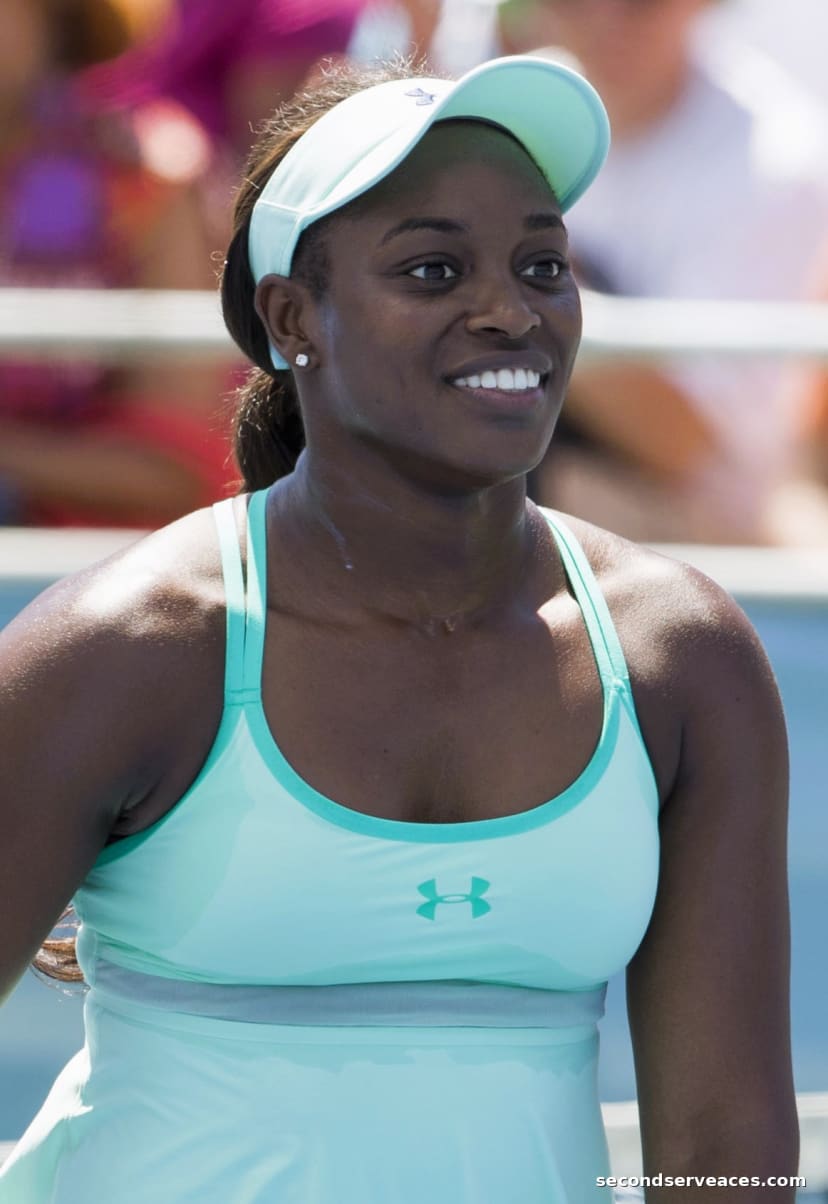
In the high-pressure cooker that is the WTA tour, some players shrink, while others find their pulse in the fray. Mirra Andreeva belongs to the latter. By dispatching the defending champion Jelena Ostapenko in the opening round of the Stuttgart Open, she didn’t just add a win to her column; she exposed the fragility of established hierarchies. The Stuttgart clay is unforgiving, demanding a blend of patience and sheer aggression that most teenagers are still trying to master.
Listen to the Second Serve Podcast
Get our daily AI-synthesized audio briefings and match reviews on the go.
The mental grind of a professional match isn't found in the highlight reels; it’s found in the quiet moments between points when the adrenaline ebbs and the tactical reality sets in. Andreeva managed to navigate Ostapenko’s unpredictable firepower by staying disciplined, a testament to her maturity. Watching her transition from the defensive baseline scramble to point-finishing intent suggests a player who understands that the WTA rankings are merely a reflection of current form, not a ceiling on potential.
We often talk about these athletes as if they are finished products. Andreeva proves that the process is fluid. Having already notched a straight-sets win over Aryna Sabalenka to secure the 2025 Indian Wells title, she is proving that she has the capacity to hold her nerve against the heavy hitters of the game. Her 2-1 career head-to-head record against Iga Swiatek is not an anomaly; it is a signal of a player who refuses to be intimidated by the standard-bearers of the sport.
The Alchemy of Doubles Partnerships
Tennis is a lonely sport, but doubles brings a necessary friction to the creative process. Andreeva’s history with Victoria Mboko, specifically their pairing at the Brisbane International earlier in 2026, was more than just a schedule filler; it was an exercise in communication and shared court geometry. Doubles forces you to confront your own weaknesses, as your partner is an immediate mirror of your tactical lapses.
Moving forward, the announcement that she will team up with Diana Shnaider for the upcoming Madrid and Rome swings indicates a clear shift in her developmental arc. By playing alongside a contemporary like Shnaider, Andreeva is investing in her net craft and return-of-serve reflexes. These partnerships are the secret lab where players refine the weapons they eventually deploy in singles play.
The synergy required for a successful doubles run at events like the Internazionali BNL d'Italia requires a level of trust that only comes from deep competition. Andreeva recognizes that to climb higher, she must be comfortable in the net zone. Partnering with Shnaider for these high-profile tournaments suggests she is preparing for the grueling clay season by diversifying her game, ensuring she isn't just relying on one-dimensional baseline rallies.
The Psychology of the Challenger Mentality
There is a specific kind of hunger present in players who grew up watching legends like Kim Clijsters dismantle defenses with raw intensity. Andreeva carries that lineage well. When you step onto the court against someone who has held a trophy, the goal isn't just to compete; it is to dictate the terms of the engagement. That is where her mental clarity separates her from the pack.
A 2-1 record against a titan like Swiatek is not accidental. It requires a mental switch that stops viewing the opponent as a hurdle and starts viewing them as a puzzle. Most players are beaten in the tunnel before they even step onto the red clay. Andreeva’s approach appears remarkably devoid of that baggage. She treats the ball, the lines, and the opponent as elements to be managed, not obstacles to be feared.
As we watch the remainder of the Stuttgart Open, the curiosity isn't just about whether she can win the next match. It’s about how she continues to incorporate these tactical lessons into her core game. The grind of the Roland-Garros lead-up is long, and only those who adapt with speed and tactical intelligence will remain standing when the final serves are struck.
What Iga Swiatek Plays With
Tecnifibre Tempo 298 Iga
Tecnifibre Razor Code 1.25
Analyze Mirra Andreeva vs. Victoria Mboko
Predict tactical adjustments, momentum swings, and serve strategy options for this match-up using our AI simulator.
The Aces Tactical Panel
This report was curated and edited by Bhaskar Goel. Tactical analysis and technical insights were provided by our specialized panel of expert correspondents.
Julian Price
Senior Tactical Correspondent
Stuffy, pedantic British academic and historian specializing in match momentum and historical context.
Elena Cruz
Director of Analytical Research
Data scientist specializing in court surface physics and movement patterns.
Bhaskar
The Editor & Fan
Passionate tennis player and site editor bringing everyday amateur insights and relatable fan commentary.
Arthur Vance
Senior Existential Analyst
Deep, eccentric, and DFW-inspired. Models court metaphysics, kinetic beauty, and player psychology.
Leo Sterling
High-Performance Consultant
Hard-nosed ex-trainer from Melbourne with a no-nonsense view on tour fitness.