A New Chapter for British Tennis
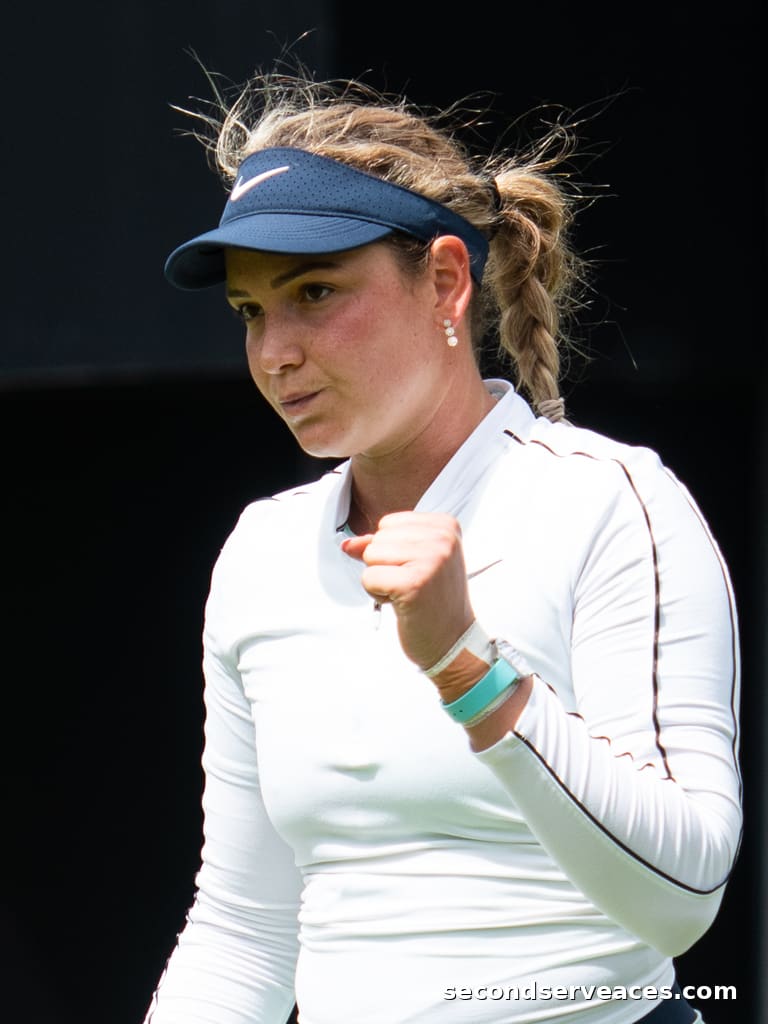
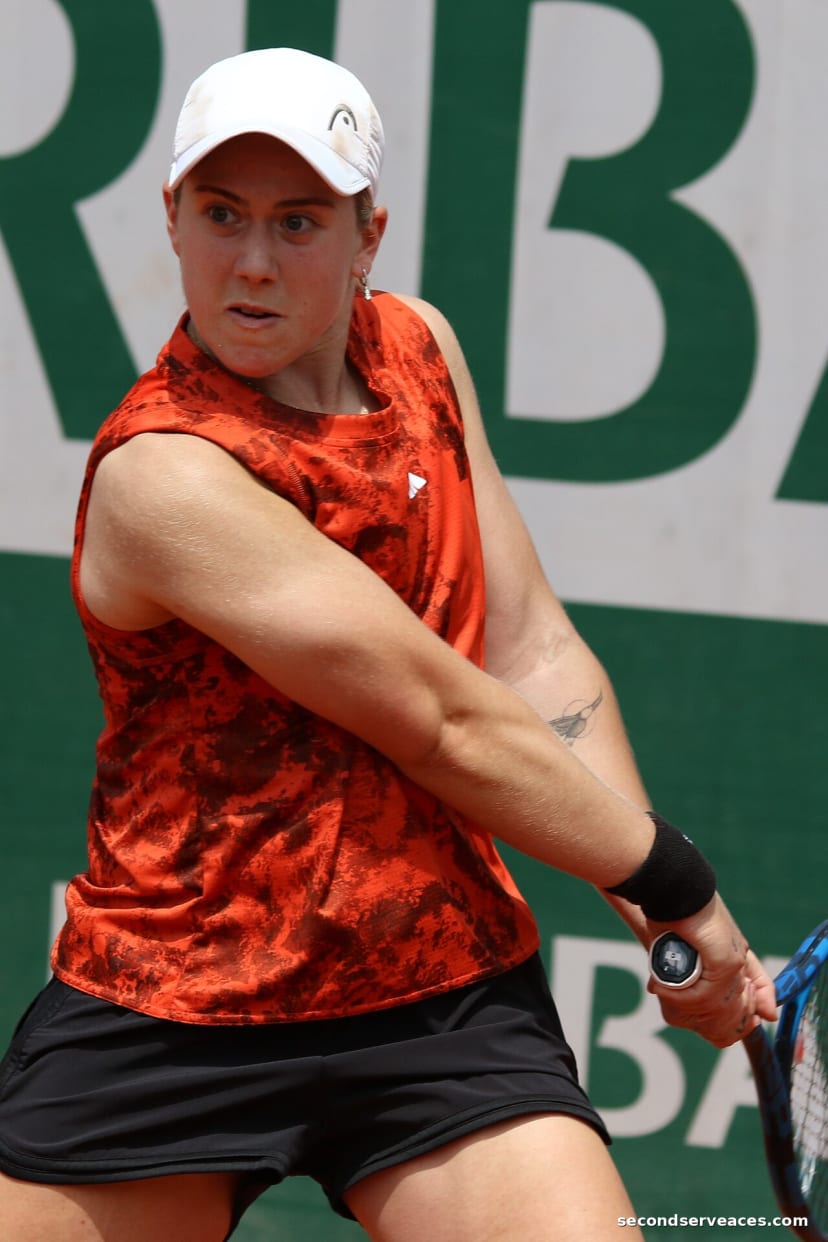
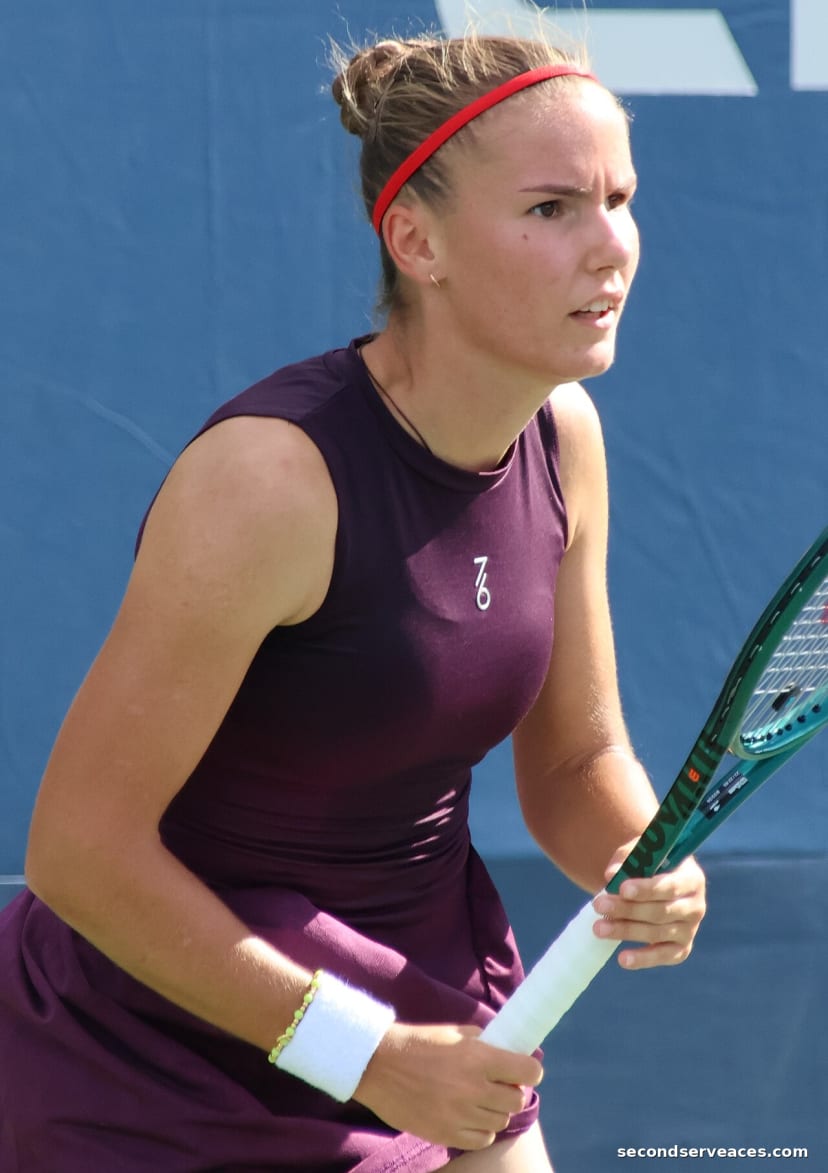
The arc of professional development rarely moves in a straight line, but for 17-year-old Mika Stojsavljevic, the jump from junior excellence to the senior stage of the Billie Jean King Cup represents a pivotal structural shift. As Great Britain navigates a qualifying tie against Australia at John Cain Arena in Melbourne, the inclusion of the 2024 US Open junior champion speaks to a clear mandate from captain Anne Keothavong: the future, however green, must be integrated into the squad's core sooner rather than later.
Listen to the Second Serve Podcast
Get our daily AI-synthesized audio briefings and match reviews on the go.
The necessity for this infusion of youth has been accelerated by the unfortunate withdrawal of Sonay Kartal due to a back injury. In her stead, Stojsavljevic is tasked with the opening singles rubber against Talia Gibson, a matchup that carries significant weight, as the victorious nation secures a passage to the September finals in Shenzhen.
The Tactical Breakdown
At this level of the sport, the margin between junior dominance and professional efficacy is often defined by rally tolerance and the ability to dictate court geometry under pressure. Stojsavljevic, having navigated the demands of hard-court surfaces in New York, brings a game predicated on controlled aggression.
- Baseline Sovereignty: Young players often struggle with the transition from the relatively forgiving rhythms of the junior circuit to the heavy, spin-loaded exchanges of the WTA. Stojsavljevic’s success will likely hinge on her capacity to maintain depth while nullifying the pace redirection that characterizes the modern baseline game.
- Serve Placement: In the cavernous atmosphere of John Cain Arena, service hold percentage is the primary metric of viability. Exploiting court geometry—specifically finding wide angles to open the court for a plus-one forehand—will be the key to staving off the high-pressure break points inherent in team competition.
- Mentality of the Debutant: Billie Jean King Cup is distinct from the weekly grind of the WTA tour. The noise, the team benches, and the weight of national expectation require a level of emotional regulation that transcends simple technical proficiency.
The Bigger Picture
This tie is not merely about a single result; it is a diagnostic tool for British tennis. The squad, bolstered by the presence of established talents like Katie Boulter and Harriet Dart, is in a state of flux. The rotation of players such as Fran Jones, Jodie Burrage, and the emerging Emerson Jones suggests that the British framework is prioritizing a broader pool of talent.
By placing Stojsavljevic on the court in Melbourne, the coaching staff is signaling a long-term investment. Whether she secures the win or encounters the sharp learning curve of elite-level hard-court tennis, the data points collected during this tie will be invaluable for her development. For the sport at large, this represents the standard cycle of rejuvenation—finding the next successor in a field where the physical toll often cuts short the prime of established veterans like Storm Hunter or Ellen Perez. The road to Shenzhen is paved with these high-stakes trials.
Essential Matchday Add-Ons
Tournament-tested accessories and high-frequency consumables every competitive player keeps in their bag.
Tourna Grip Original Dry Feel Overgrip (10-Pack)
4.8 ★ (12,000+ reviews)
The gold standard for sweaty hands. Proprietary dry feel absorbs moisture better as play intensifies.
Luxilon ALU Power 125 Silver String Set
4.9 ★ (3,500+ reviews)
Unrivaled control and spin potential used by over 50% of the ATP Top 100 players.
Babolat Custom Damp Vibration Dampener (2-Pack)
4.7 ★ (4,200+ reviews)
Customizable dampening with removable central O-ring for fine-tuning court feedback and sound.
Penn Championship Extra Duty Tennis Balls (4-Can Pack)
4.7 ★ (8,900+ reviews)
Official ball of USTA League Tennis with extra-duty felt designed for abrasive hard courts.
Analyze Mika Stojsavljevic vs. Talia Gibson
Predict tactical adjustments, momentum swings, and serve strategy options for this match-up using our AI simulator.
The Aces Tactical Panel
This report was curated and edited by Bhaskar Goel. Tactical analysis and technical insights were provided by our specialized panel of expert correspondents.
Julian Price
Senior Tactical Correspondent
Stuffy, pedantic British academic and historian specializing in match momentum and historical context.
Elena Cruz
Director of Analytical Research
Data scientist specializing in court surface physics and movement patterns.
Bhaskar
The Editor & Fan
Passionate tennis player and site editor bringing everyday amateur insights and relatable fan commentary.
Arthur Vance
Senior Existential Analyst
Deep, eccentric, and DFW-inspired. Models court metaphysics, kinetic beauty, and player psychology.
Leo Sterling
High-Performance Consultant
Hard-nosed ex-trainer from Melbourne with a no-nonsense view on tour fitness.