The Physical Toll of the Expanded Masters 1000 Calendar
The Madrid Open was designed to be a centerpiece of the spring swing, but the 2026 iteration is being defined more by who isn't there than by the action on the clay. The transition to a 12-day format—mirrored across several marquee stops—is creating a ripple effect that arguably threatens the top-tier rhythm of the ATP Tour. When your premier attractions aren't just taking a week off, but pulling out entirely to preserve their physical integrity, the structural integrity of the circuit itself comes into question.
Listen to the Second Serve Podcast
Get our daily AI-synthesized audio briefings and match reviews on the go.
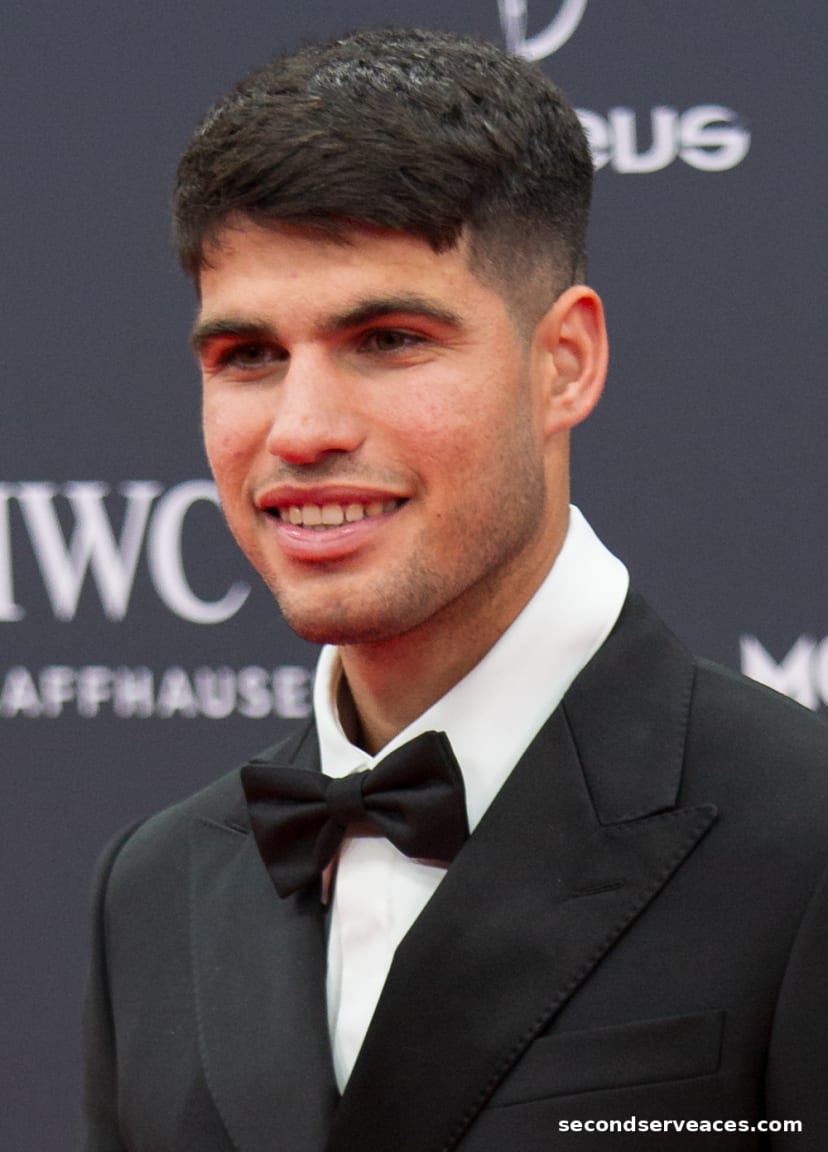
The list of absentees is stark. Carlos Alcaraz and Novak Djokovic are the marquee names missing, but the vacancy list extends to Taylor Fritz, Sebastian Korda, Arthur Cazaux, and Giovanni Mpetshi Perricard. These are not merely depth players; these are the engines of the current professional game. When they choose the practice court over the stadium, it indicates a profound misalignment between tournament scheduling and recovery requirements.
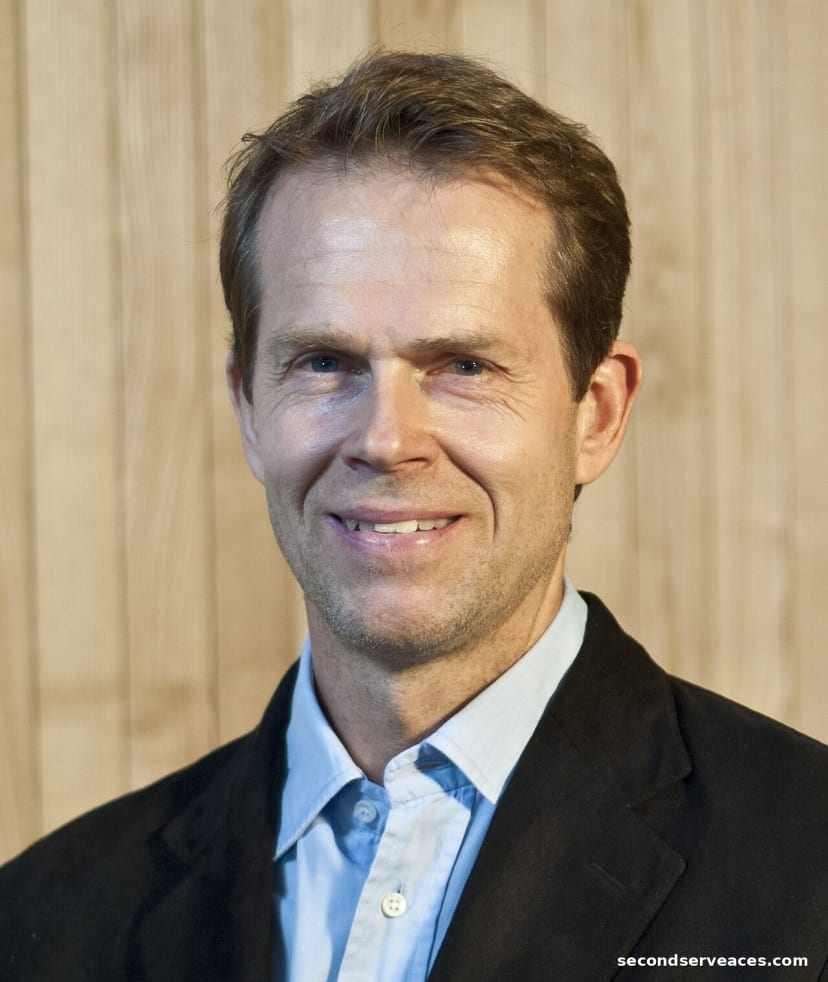
Paul Annacone has been vocal about the math behind these decisions, explicitly stating he would advise Jannik Sinner to bypass Madrid entirely. The logic is surgical: prioritize the workload for Rome. By extending these events, the ATP has effectively forced a triage mentality, where the top seeds are forced to treat Masters 1000 events as optional rather than mandatory pillars of the season.
The End of an Era for Veterans
While the younger generation debates the merits of the schedule, we are simultaneously witnessing the final bows of long-standing competitors. Roberto Bautista Agut, a player whose baseline consistency and tactical discipline have long been the gold standard, will make this his final appearance at the Madrid Open. His departure from this specific venue highlights the shifting guard and the sheer difficulty of maintaining a career on these demanding clay surfaces.
Bautista Agut’s game is built on the kind of repetitive, high-percentage tennis that usually thrives in Madrid’s altitude. However, the accumulation of seasons in a tour that is increasingly unforgiving with its time-off mandates takes an inevitable toll. Watching a veteran like him navigate his closing chapter in the capital serves as a microcosm for the struggle of every player on the entry list: how to balance the necessity of competition with the reality of an aging body.
It is worth noting the breadth of players impacted by this schedule, including Sebastian Ofner, Thiago Agustín Tirante, Adam Walton, Alexander Shevchenko, Kamil Majchrzak, Alexander Blockx, Alexandre Müller, Holger Rune, Francisco Comesaña, Flavio Cobolli, and Alexander Zverev. Their presence—or absence—defines the tactical landscape of every draw, and the current instability in the player field makes match momentum harder to predict than ever.
Tactical Implications for the Clay Season
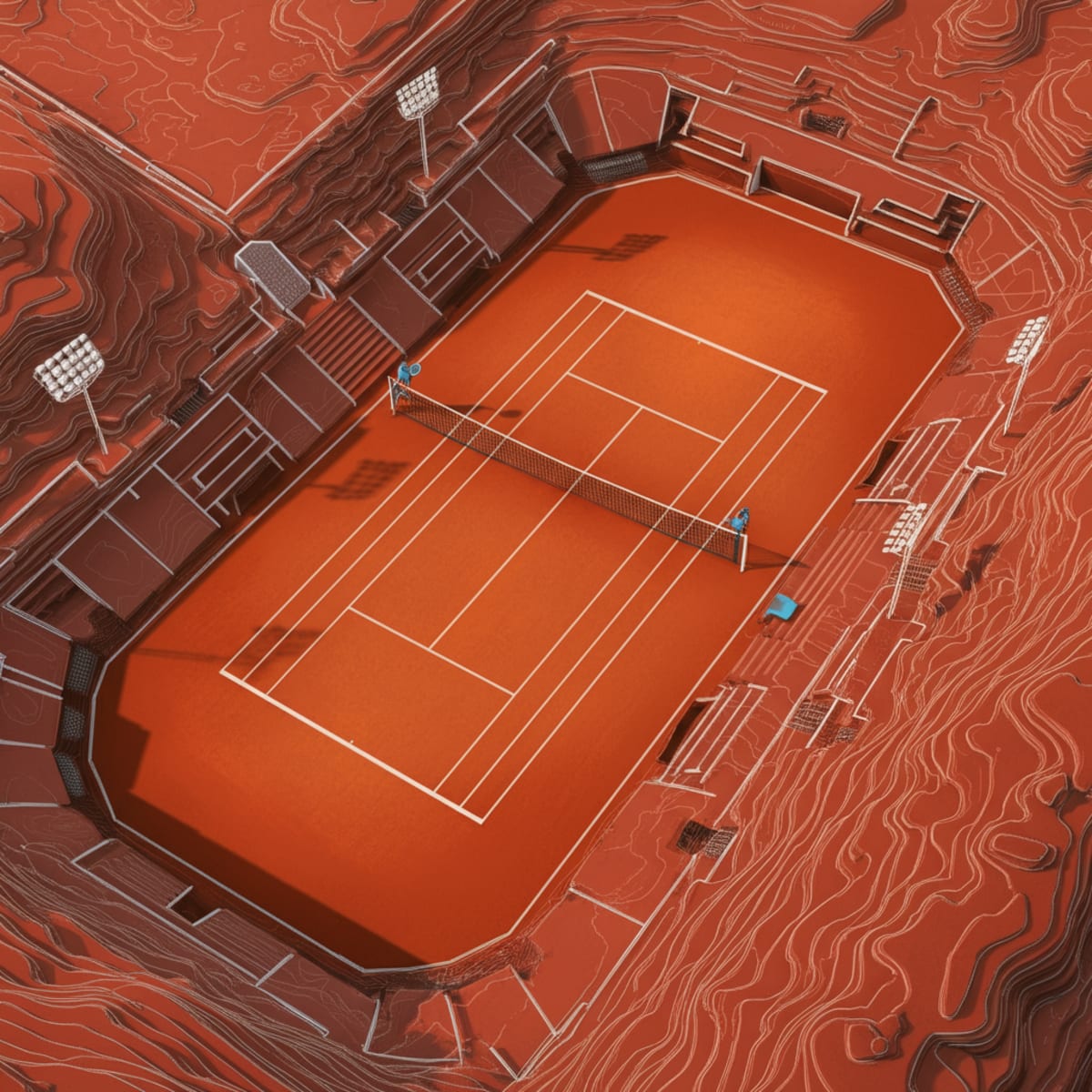
The irony of the current situation is that the clay season is where court positioning and stamina are tested most ruthlessly. In Madrid, where the ball travels significantly faster due to the altitude, the serve-plus-one pattern is often enough to neutralize opponents. However, without the top-tier field, the tactical variety we expect from a Masters 1000 level event is diluted. Fans lose the strategic masterclass that occurs when the world's best play in high-altitude, thin-air conditions.
Players like Boris Becker and Roger Federer have historically emphasized the importance of rhythm and match play leading into the French Open. When top players skip Madrid, they are essentially forfeiting that crucial prep time, choosing instead to risk a lack of match-toughness for the sake of long-term health. This isn't just a management issue; it is a fundamental shift in how the top 10 approaches their workload.
Going forward, if the tournament footprint remains at 12 days, we should expect this pattern of strategic withdrawals to become the norm rather than the outlier. The elite players are no longer chasing every point available; they are managing their careers with the precision of a chess match, and the ATP is finding that forcing more days onto the calendar does not automatically result in more star-power on the court.
The Future of the Masters 1000 Model
We are reaching a tipping point where the quality of the product is being traded for the quantity of the schedule. When coaches of the caliber of Annacone are openly suggesting that players skip Masters events, the tournament organizers and the governing body must listen. The sustainability of this model relies on the participation of the stars, and currently, the stars are finding the costs—physical and mental—to be prohibitive.
The Madrid Open has always been a fan favorite, known for its unique atmosphere and the challenge of its specific clay profile. However, if the current withdrawal trend continues, the tournament risks losing the very thing that makes it special: the presence of the game's highest-ranked tactical minds. The void left by the absent stars is massive, and it remains to be seen if the remaining field can provide the high-octane tennis that the fans demand.
Ultimately, the ATP Tour will need to conduct a rigorous audit of how its scheduling impacts the athletes. Tennis at this level requires immense explosive movement; asking players to maintain that level over 12-day stretches repeatedly throughout the spring is a recipe for the attrition we are witnessing right now. The game is changing, and the rules of the tour may need to change right along with it to ensure that the sport remains the pinnacle of tactical and physical performance.
What Carlos Alcaraz Plays With
Babolat Pure Aero 98
Babolat RPM Blast 1.30
Nike Vapor Pro 2
Analyze Carlos Alcaraz vs. Novak Djokovic
Predict tactical adjustments, momentum swings, and serve strategy options for this match-up using our AI simulator.
The Aces Tactical Panel
This report was curated and edited by Bhaskar Goel. Tactical analysis and technical insights were provided by our specialized panel of expert correspondents.
Julian Price
Senior Tactical Correspondent
Stuffy, pedantic British academic and historian specializing in match momentum and historical context.
Elena Cruz
Director of Analytical Research
Data scientist specializing in court surface physics and movement patterns.
Bhaskar
The Editor & Fan
Passionate tennis player and site editor bringing everyday amateur insights and relatable fan commentary.
Arthur Vance
Senior Existential Analyst
Deep, eccentric, and DFW-inspired. Models court metaphysics, kinetic beauty, and player psychology.
Leo Sterling
High-Performance Consultant
Hard-nosed ex-trainer from Melbourne with a no-nonsense view on tour fitness.