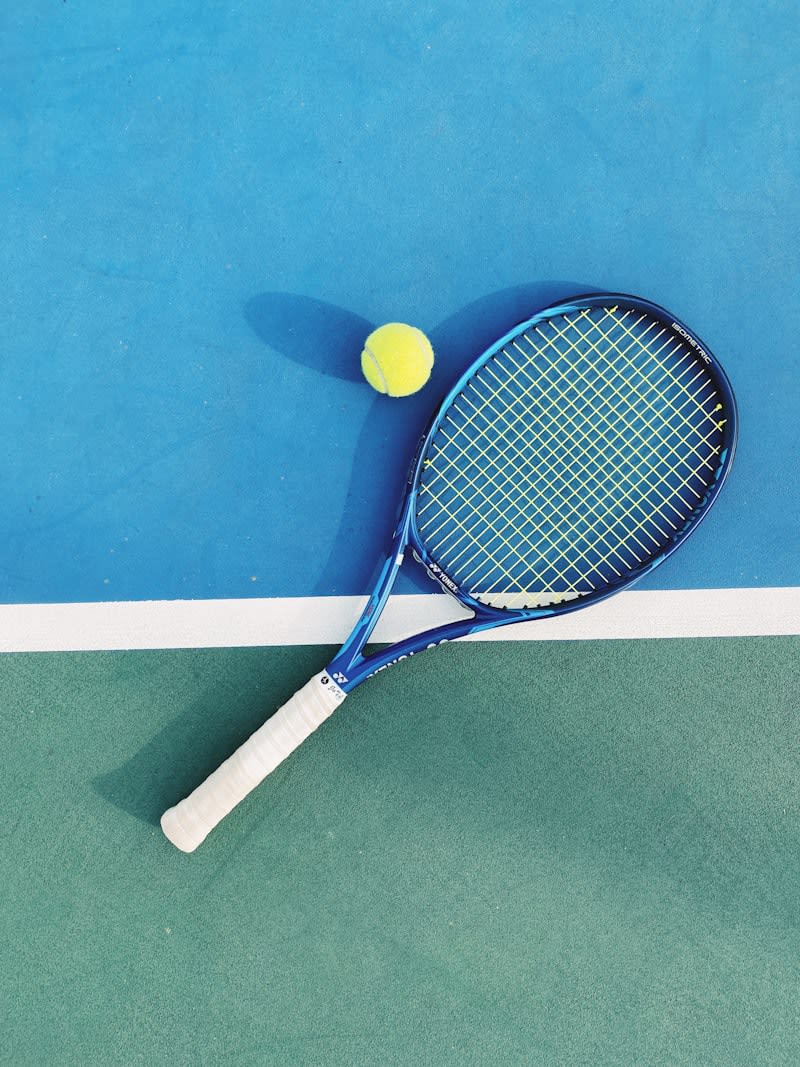
The Francisco Roig Coaching Transition
In the high-stakes world of professional tennis, change is the only constant. For Iga Swiatek, the decision to part ways with Wim Fissette in March 2026 wasn't just a personnel shift; it was a commitment to evolving her foundational strokes. Bringing Francisco Roig into her corner signals a move toward technical simplification, specifically targeting the fluidity of her service motion.
Listen to the Second Serve Podcast
Get our daily AI-synthesized audio briefings and match reviews on the go.
Roig, a veteran tactician, understands that at the elite level, margins are razor-thin. The focus here is on shortening the arm swing, a refinement that aims to improve consistency under pressure. It is a process of unlearning and rebuilding, a mental grind that demands total focus from a player who already sits atop the WTA rankings.
Seeing Swiatek work through these adjustments mid-season is a testament to her discipline. She isn't just playing for results; she is playing to modernize her game, ensuring that her serve becomes a weapon that can survive the punishing demands of clay-court tennis at the Madrid Open.
Quantifying the Serve Adjustment
Numbers rarely lie, and early data from Madrid suggests the technical overhaul is taking hold. In her opening match against Daria Snigur—a dominant 6-1, 6-2 display—Swiatek posted a 70% first-serve percentage. More importantly, she secured 78% of those points, proving that the shortened arm swing is not sacrificing pace or placement.
When you shorten the loop, you reduce the variables. For a player like Swiatek, who relies on rhythm, this modification minimizes the chance for mechanical breakdown in the high-stress moments of a tiebreak or a set-deciding game. She is finding a cleaner contact point, allowing her to dictate rallies from the very first ball.
This efficiency is crucial on the red dirt of Madrid. By ending points earlier on her own terms, she saves the physical energy that eventually becomes the difference between lifting a trophy and falling in the second week. It is a calculated refinement that turns technical theory into match-winning reality.
The Psychology of Confronting Injury
The Madrid Open also provided a stark reminder of the mental tax of the sport. We saw this in the clash between Ugo Humbert and Terence Atmane. Atmane’s 7-6(3), 7-6(5) victory was an exercise in pure survival, as he battled through debilitating cramps to close out the match against a top competitor.
For the healthy player on the other side of the net, facing an opponent who is clearly struggling is a psychological trap. You start to overthink, lose your own rhythm, and wait for the match to be handed to you. Atmane refused to give in to his body’s limitations, and Humbert struggled to find a way to capitalize on the physical breakdown occurring across the court.
This dynamic serves as a reminder that the ATP Tour is as much a mental war as it is a physical one. Whether it is adapting your serve mechanics or holding your ground against an ailing opponent, the player who remains focused on their own process, regardless of external chaos, is the one who prevails.
What Carlos Alcaraz Plays With
Babolat Pure Aero 98
Babolat RPM Blast 1.30
Babolat VS Original (12-Pack)
Nike Vapor Pro 2
Analyze Ugo Humbert vs. Térence Atmane
Predict tactical adjustments, momentum swings, and serve strategy options for this match-up using our AI simulator.
The Aces Tactical Panel
This report was curated and edited by Bhaskar Goel. Tactical analysis and technical insights were provided by our specialized panel of expert correspondents.
Julian Price
Senior Tactical Correspondent
Stuffy, pedantic British academic and historian specializing in match momentum and historical context.
Elena Cruz
Director of Analytical Research
Data scientist specializing in court surface physics and movement patterns.
Bhaskar
The Editor & Fan
Passionate tennis player and site editor bringing everyday amateur insights and relatable fan commentary.
Arthur Vance
Senior Existential Analyst
Deep, eccentric, and DFW-inspired. Models court metaphysics, kinetic beauty, and player psychology.
Leo Sterling
High-Performance Consultant
Hard-nosed ex-trainer from Melbourne with a no-nonsense view on tour fitness.


