A Troubling Trend of Attrition on the ATP and WTA Tours
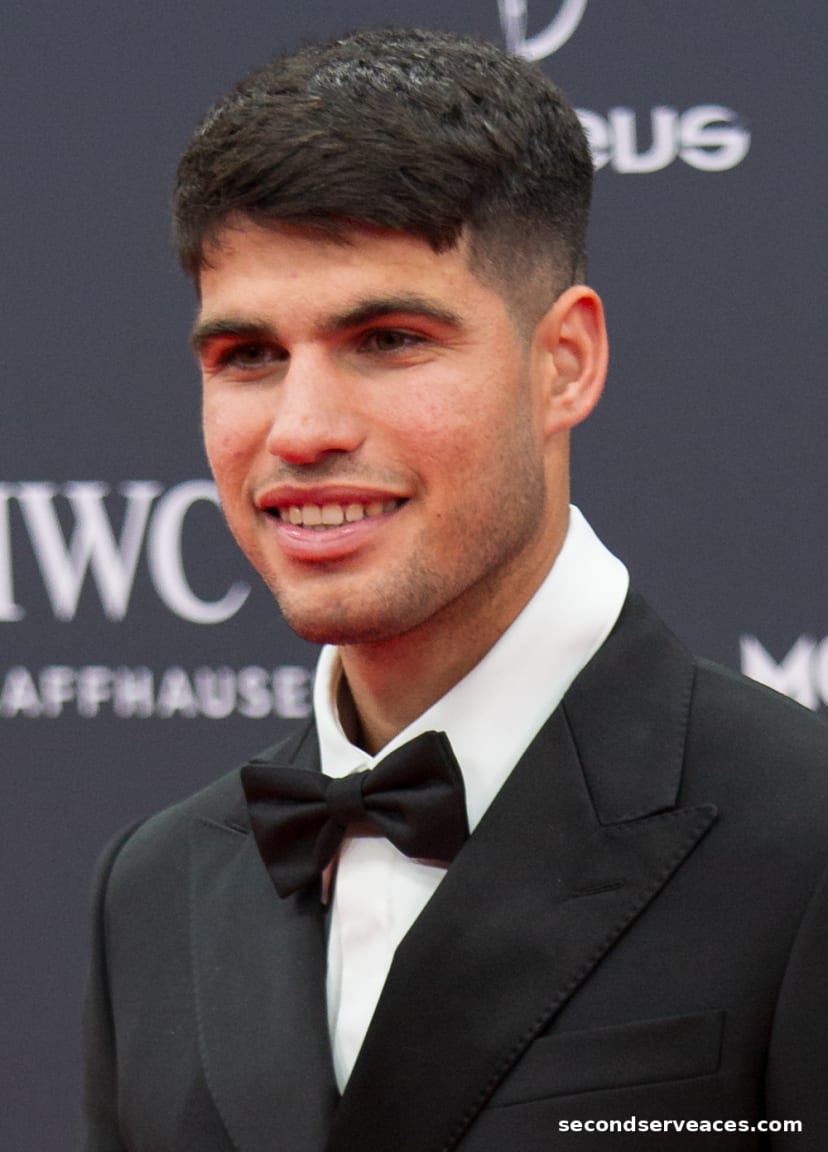
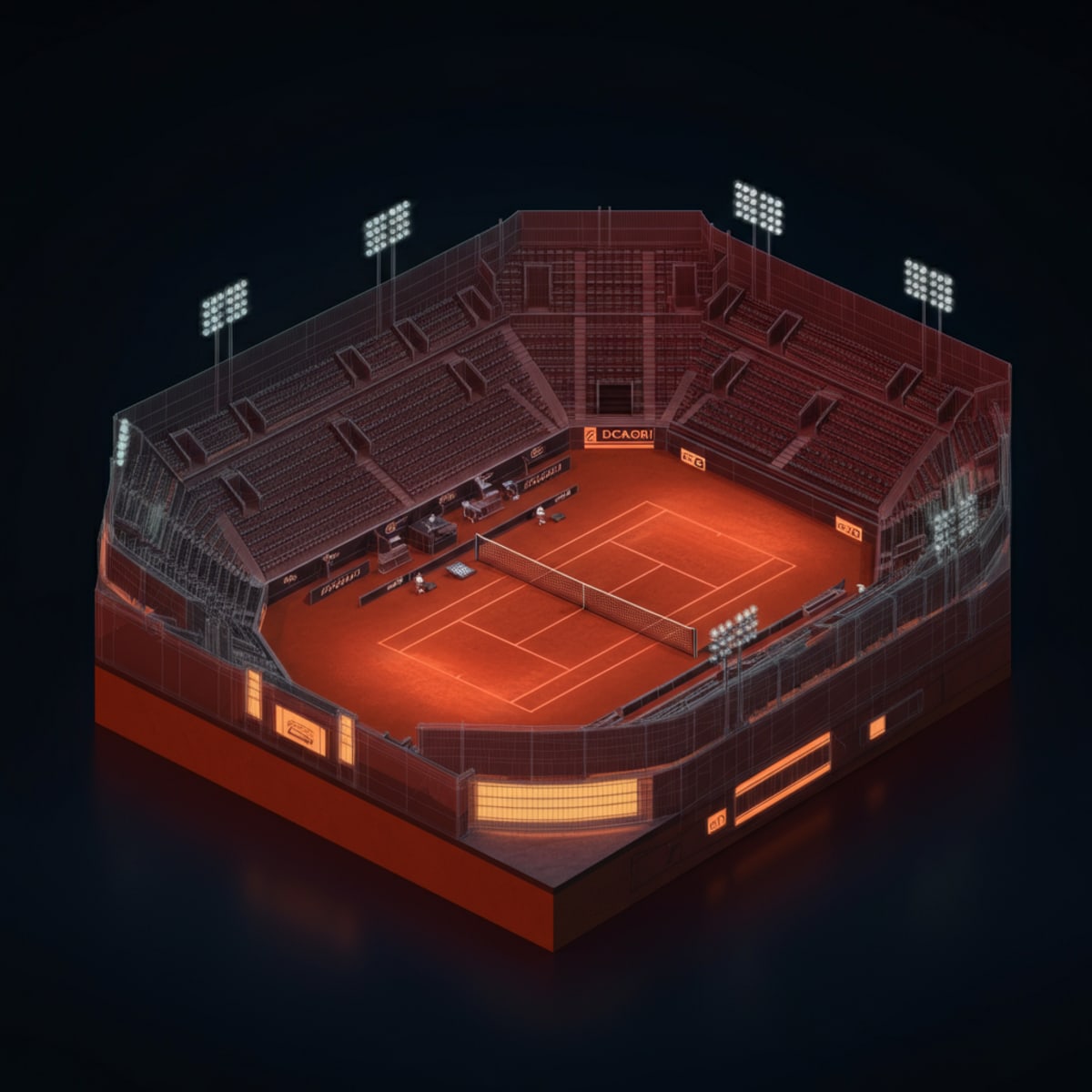
The Madrid Open is usually the centerpiece of the European spring, a high-altitude spectacle that rewards aggressive topspin and heavy, kicking second serves. Yet, the current state of the entry list tells a different story. With 23 combined withdrawals across the men’s and women’s draws, the Caja Mágica feels curiously hollow. When you see names like Carlos Alcaraz missing due to wrist complications, or Novak Djokovic opting out for the third time in four years, the conversation shifts from tactical mastery to physical preservation.
Listen to the Second Serve Podcast
Get our daily AI-synthesized audio briefings and match reviews on the go.
This isn't just about bad luck; it is a direct consequence of an unforgiving 11-month calendar. The intensity required to compete for points at the ATP and WTA levels means players are constantly teetering on the edge of injury. When the body dictates the schedule, the sport’s most marquee events are the first to suffer the consequences of such a compressed timeline.
The tactical void left by stars like Alcaraz and Djokovic allows for a reshuffling of the draw, but it also compromises the competitive integrity that defines a 1000-level event. Without the baseline-grinding reliability of the top seeds, the tournament’s tactical rhythm shifts—creating a window for players like Jannik Sinner, Aryna Sabalenka, or rising talents like Jack Draper to dictate play in ways they normally wouldn’t against a full-strength field.
The Economic Reality Behind the Master Series License
We need to talk about the business of tennis. A 1000-level tournament license is valued at roughly $500 million, a figure that mandates a certain level of star power to justify broadcasting rights and sponsorship tiers. When the draw is gutted by medical withdrawals, the stakeholders are the ones feeling the heat, not just the fans watching from the stands.
If you look at the structure of the tour, the pressure to appear at every Masters 1000 event is immense. However, the physical reality of the sport—especially on the unforgiving, sliding surface of clay—is catching up to the marketing requirements. Players are treating their bodies like assets in a high-stakes portfolio, and right now, the insurance premiums on those assets are rising rapidly.
For a venue like Madrid, which relies on the sheer magnetism of players like Taylor Fritz, Frances Tiafoe, and Sebastian Korda to maintain engagement, the current withdrawal rate represents a significant threat to the tournament's long-term commercial vitality. The strategy of balancing elite performance with sheer longevity is failing, and we are witnessing the fallout in real-time.
Tactical Implications for the Field
Without the consistent defensive pressure of Alcaraz or the tactical genius of Djokovic, the court positioning in Madrid becomes erratic. We are seeing more players attempting to shorten points, likely a conscious decision to avoid the prolonged physical tolls of extended baseline rallies on clay. This has fundamentally altered the match momentum we expect to see at this stage of the season.
The absence of established favorites forces the rest of the pack to adapt. Players who thrive on chaotic court movement and high-margin winners are seeing more success, but the lack of structure means we are getting less of the high-level tactical chess matches that keep the sport at the pinnacle of global discourse. Players like Amanda Anisimova or Karolína Muchová now find themselves navigating a draw that looks vastly different from what they prepared for.
Whether this trend continues into the Rome and Roland-Garros swing remains the million-dollar question. If the current attrition rate holds, we aren't just looking at a few missing names; we are looking at a fundamental shift in how the top echelon of the game approaches the European clay-court season. The strategy of "peak for the majors" is clearly sidelining these mid-season Masters events, which poses an existential problem for the tour's current calendar format.
The Human Cost of Elite Scheduling
It’s impossible to ignore the personal impact on stars like Emma Raducanu, Emma Navarro, and Barbora Krejčíková, who must calibrate their intensity against a tour that never stops breathing. The psychological weight of constant tournament play—competing, traveling, and rehabilitating in a cycle that leaves virtually no room for training cycles—is showing in the injury reports.
We’ve seen the impact on legends like Feliciano Lopez or Garbiñe Muguruza, who navigated their own respective career paths through similar pressures. The current generation faces a higher density of high-stakes, 1000-level events than any group before them. It is simply unsustainable to expect the game's biggest draws to remain at 100 percent capacity while the match volume continues to climb.
The tennis industry needs to reconcile its broadcast-led expansion with the biological limitations of its stars. Until then, we can expect to see more empty chairs in the draw and more disappointed fans in the stadium. The question is no longer who will win the tournament, but who will be healthy enough to show up to the next one.
What Carlos Alcaraz Plays With
Babolat Pure Aero 98
Babolat RPM Blast 1.30
Nike Vapor Pro 2
Analyze Carlos Alcaraz vs. Jannik Sinner
Predict tactical adjustments, momentum swings, and serve strategy options for this match-up using our AI simulator.
The Aces Tactical Panel
This report was curated and edited by Bhaskar Goel. Tactical analysis and technical insights were provided by our specialized panel of expert correspondents.
Julian Price
Senior Tactical Correspondent
Stuffy, pedantic British academic and historian specializing in match momentum and historical context.
Elena Cruz
Director of Analytical Research
Data scientist specializing in court surface physics and movement patterns.
Bhaskar
The Editor & Fan
Passionate tennis player and site editor bringing everyday amateur insights and relatable fan commentary.
Arthur Vance
Senior Existential Analyst
Deep, eccentric, and DFW-inspired. Models court metaphysics, kinetic beauty, and player psychology.
Leo Sterling
High-Performance Consultant
Hard-nosed ex-trainer from Melbourne with a no-nonsense view on tour fitness.