By Elena Cruz
Listen to the Second Serve Podcast
Get our daily AI-synthesized audio briefings and match reviews on the go.
Let me tell you something about the desert: it doesn’t suffer fools, and it certainly doesn't forgive a passive racket. The hard courts of Indian Wells are a unique beast on the ATP calendar. The air is bone-dry, meaning the ball flies off the strings, but the court surface itself is like sandpaper. It grabs the ball, forces it to kick up high, and demands that you construct points with patience, heavy topspin, and absolute tactical clarity.
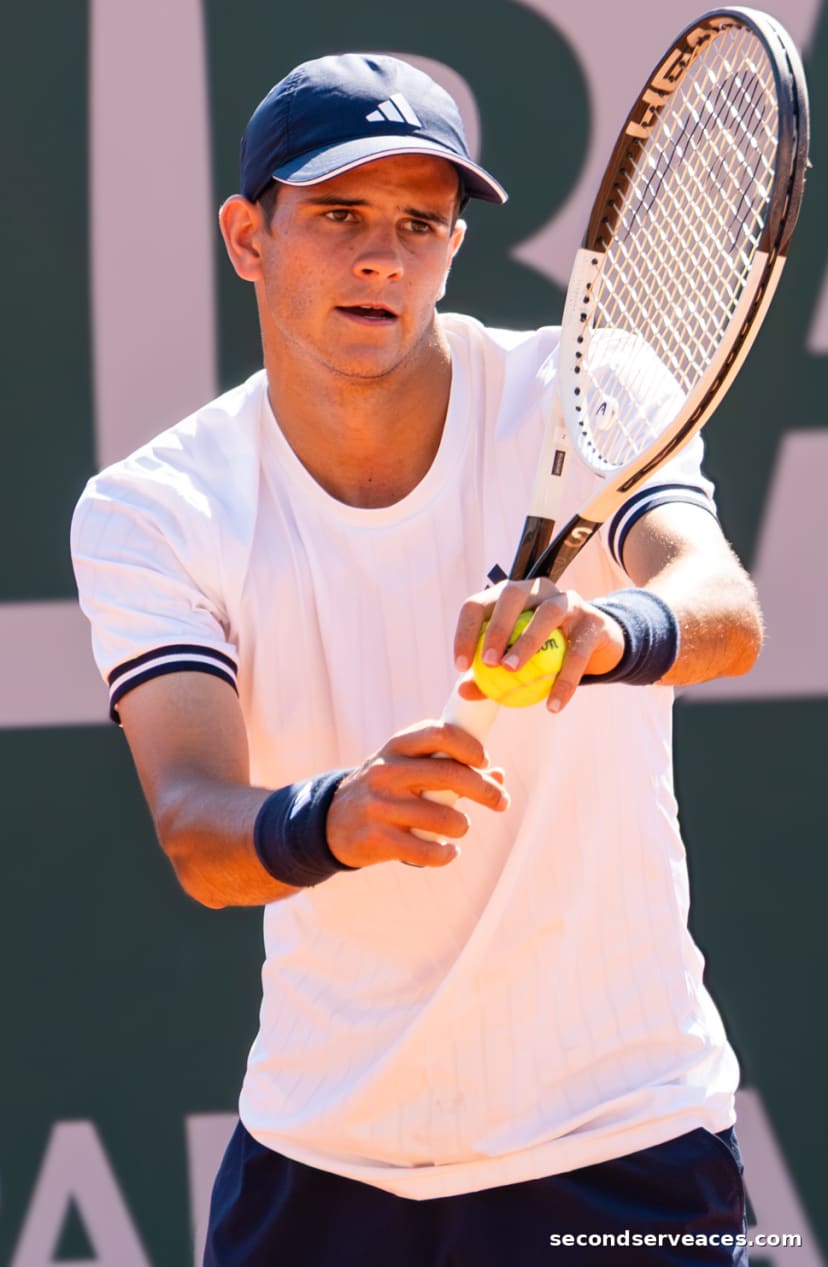
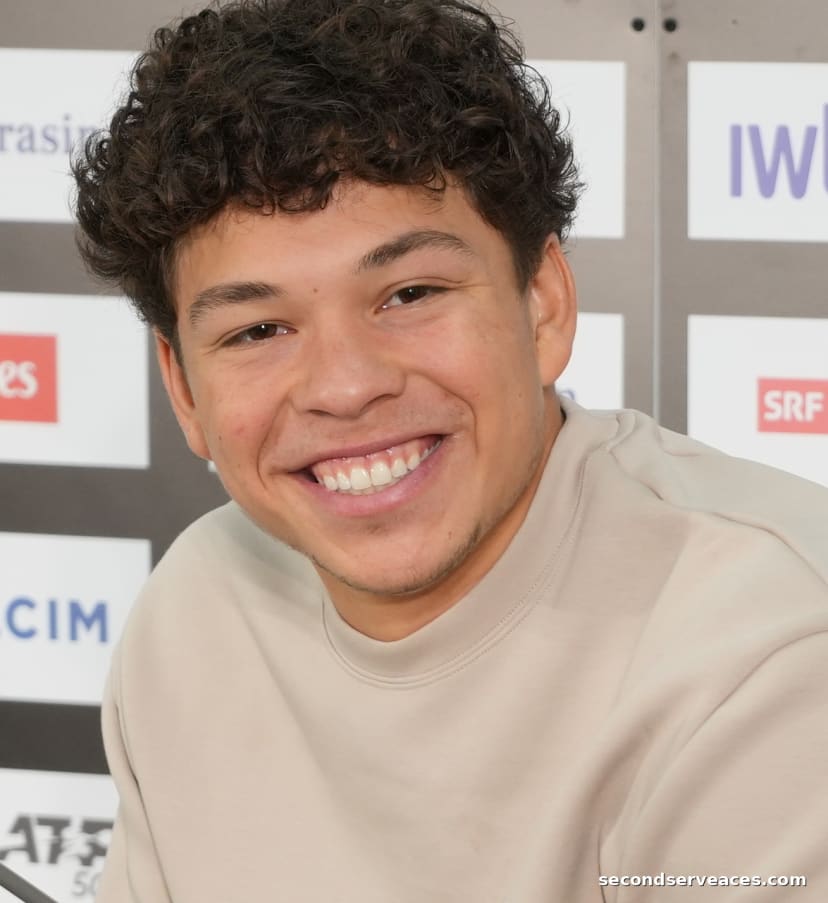
On Tuesday, we got a masterclass in surviving those exact conditions. American rising star Learner Tien officially advanced to the Indian Wells quarterfinals, surviving an absolute dogfight that culminated in a match-clinching tiebreaker. He wasn't the only one feeling the heat—a pair of rising stars actually secured their Tuesday victories via match-clinching tiebreakers, proving that the margins on these gritty courts are razor-thin.
When you reach the business end of a set in Tennis Paradise, the analytics go out the window, and it becomes a question of pure rally tolerance and nerve. Tien showed both in spades.
The Tactical Breakdown
Let's get under the hood of what it actually takes to win a match-clinching tiebreaker at Indian Wells. It’s not just about hitting the ball harder; it’s about managing match momentum and manipulating court geometry under immense pressure.
Learner Tien’s fundamental playstyle is built on fluidity and remarkable court sense. As a lefty, he inherently possesses a tactical advantage that becomes magnified on critical points. When you are staring down a tiebreaker, the Ad court becomes the most important real estate on the planet. That is where game points, break points, and match points are predominantly played. A lefty with a sliding serve out wide on the Ad court can pull a right-handed opponent completely off the doubles alley, opening up acres of space for a routine forehand to the open court.
But Indian Wells requires more than just a tricky serve. Because the surface is so slow and abrasive, it nullifies flat hitters. To hit through this court, you need shape. You need topspin.
Mastering the Desert Geometry
Here is how a tactically astute player like Tien navigates these specific conditions to edge out a victory:
- Neutralizing the Return: When facing a high-bouncing serve, taking the ball early is non-negotiable. If you back up to the California sign to return, the court geometry works entirely against you. By stepping inside the baseline, players can cut off the angle before the ball reaches its apex.
- The Forehand Arc: Heavy topspin is the currency of the realm here. By maximizing RPMs (revolutions per minute) on the forehand side, a player ensures the ball clears the net by a safe margin but dives violently before the baseline. This keeps the opponent pinned back and creates short balls.
- Net Approach Frequency: You cannot stay back all day. When the short ball comes, you have to transition forward. Winning a tiebreaker often comes down to who is willing to move their feet into the mid-court and take the volley out of the air, rushing the opponent's passing shot.
- Exploiting the Backhand Wing: Historically, lefties will pepper the righty backhand with high, looping cross-court forehands. It forces the opponent to hit contact at shoulder height—the weakest power-generation zone for a one-handed or even two-handed backhand.
In a match-clinching tiebreaker, every single one of these tactical choices is magnified. One missed first serve, one poorly executed approach shot, or one passive backhand slice that sits up in the strike zone can cost you the match. Tien’s ability to execute his patterns when the match momentum was hanging in the balance speaks volumes about his development.
The Bigger Picture
We need to talk about what this quarterfinal run means for Learner Tien. The leap from the junior circuit and the ATP Challenger Tour to the main stages of the ATP Tour is notoriously brutal. We see brilliant ball-strikers stall out all the time because they cannot replicate their baseline consistency week in and week out against grown men who refuse to miss.
Tien has long been heralded as one of the most promising young talents in the American pipeline. With a pedigree that includes deep runs at the junior Grand Slam level, the expectation has always been that his game—predicated on timing, defensive anticipation, and clean ball-striking—would eventually translate to the pro tour. But translating it at a venue like Indian Wells? That is a massive statement.
The transition from "promising junior" to "tour-level threat" usually happens in discrete, painful steps. It happens by saving a crucial break point in the second set. It happens by keeping your heart rate down when serving at 5-5 in a decisive tiebreaker. By securing a Tuesday victory in exactly this fashion, Tien is signaling that he isn't just happy to be in the draw—he is here to navigate the trenches.
Historically, players who break through at Indian Wells possess a specific kind of hard-court pedigree. Think about the champions here: they are players who can defend the corners, who possess elite rally tolerance, and who understand how to construct points patiently rather than going for broke on the first ball. If Tien is mastering these slow-hard-court dynamics now, it bodes incredibly well for his trajectory heading into the grueling clay-court swing and the summer hard-court series.
This pair of rising stars securing tiebreaker wins on Tuesday isn't just a fun stat for the daily wrap-up. It is a glimpse into the future of the ATP Tour. The younger generation is arriving, and they are bringing a level of tactical maturity that is frankly stunning to watch. Learner Tien is officially on the clock, and the rest of the tour better take notice.
Simulate Learner Tien Match Scenarios
Simulate high-pressure scenarios, score leverage points, and tactical responses for ATP and WTA players.
The Aces Tactical Panel
This report was curated and edited by Bhaskar Goel. Tactical analysis and technical insights were provided by our specialized panel of expert correspondents.
Julian Price
Senior Tactical Correspondent
Stuffy, pedantic British academic and historian specializing in match momentum and historical context.
Elena Cruz
Director of Analytical Research
Data scientist specializing in court surface physics and movement patterns.
Bhaskar
The Editor & Fan
Passionate tennis player and site editor bringing everyday amateur insights and relatable fan commentary.
Arthur Vance
Senior Existential Analyst
Deep, eccentric, and DFW-inspired. Models court metaphysics, kinetic beauty, and player psychology.
Leo Sterling
High-Performance Consultant
Hard-nosed ex-trainer from Melbourne with a no-nonsense view on tour fitness.