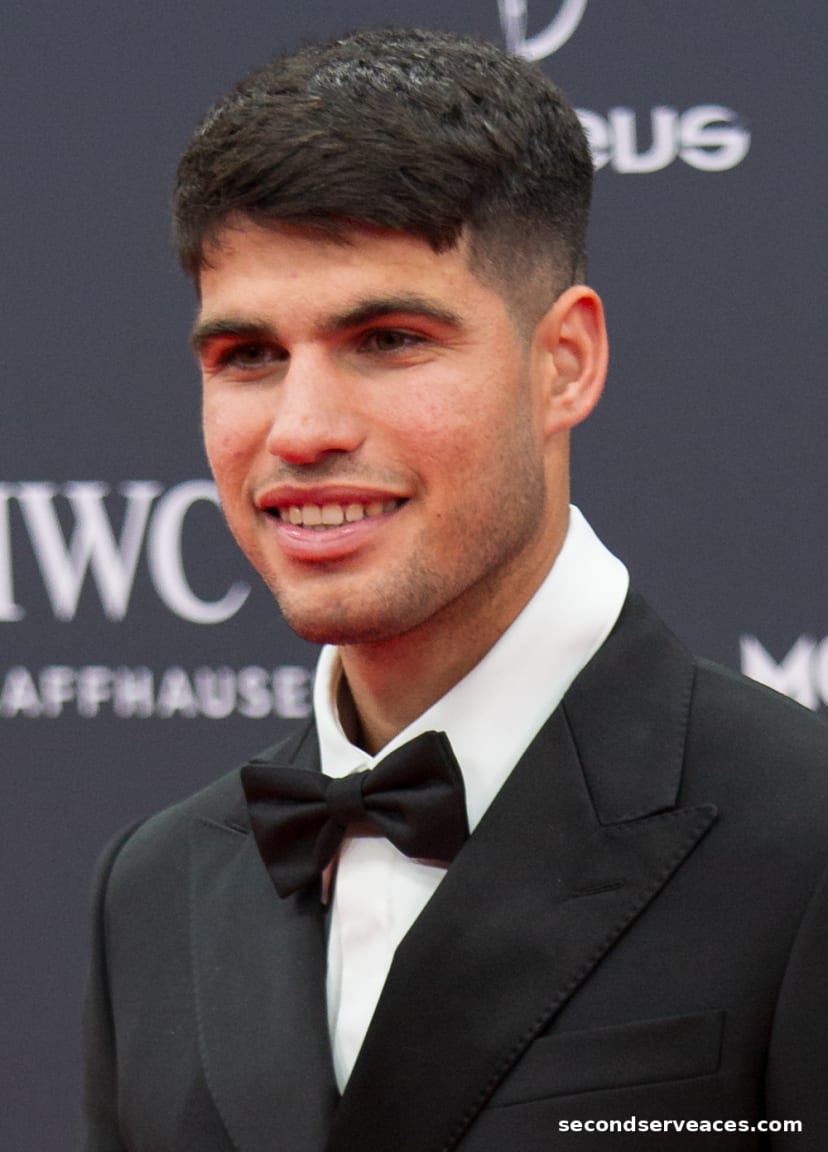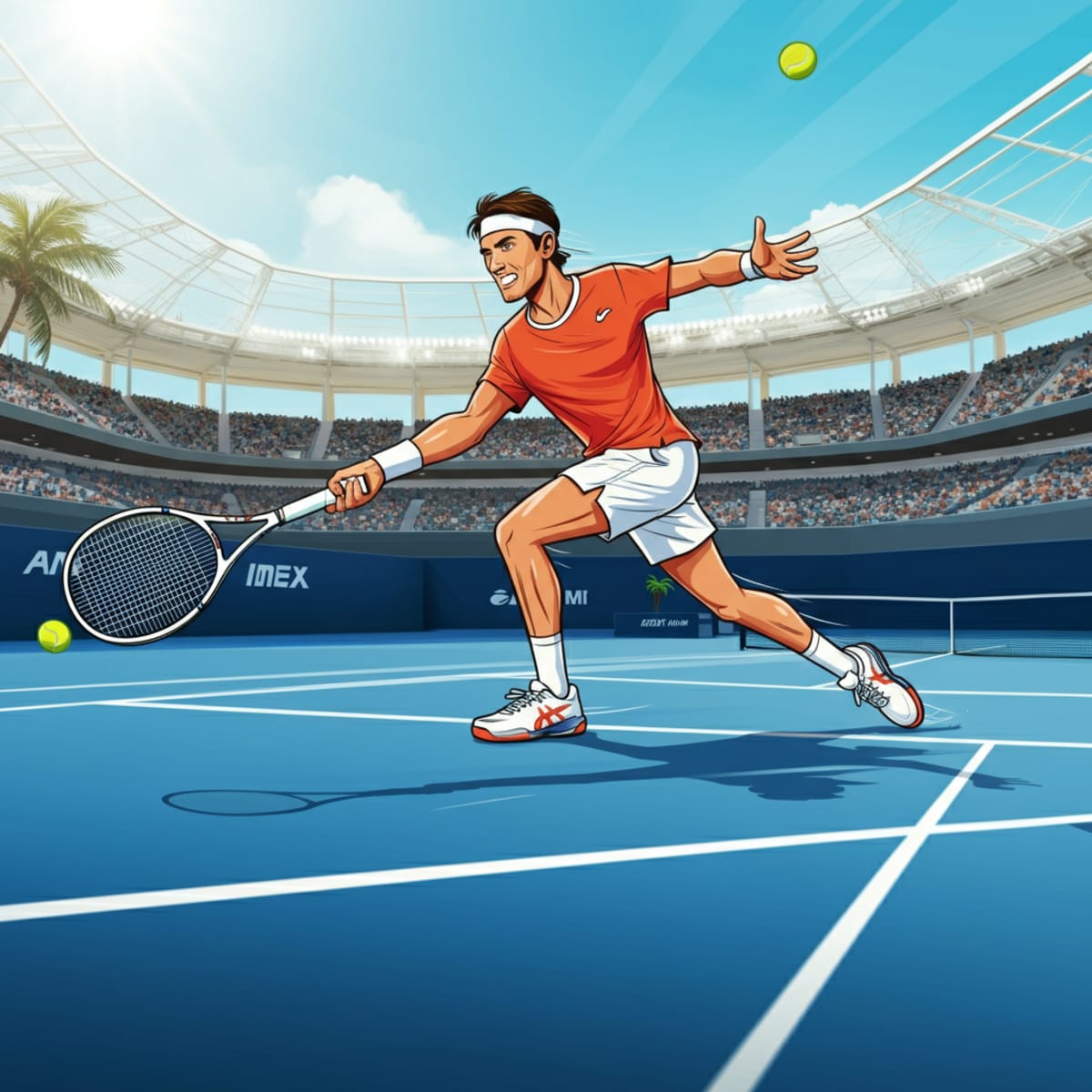
Nobody is invincible on a tennis court, no matter how many trophies they hoard. We found that out the hard way in the third round of the Miami Open, where 36th-ranked Sebastian Korda dismantled world number one Carlos Alcaraz 6-3, 5-7, 6-4. You want high-stakes drama? You got it. The young Spaniard was riding a flawless 16-0 start to the 2026 season, bagging the Australian Open and Doha titles like they were routine practice sessions. Then Korda walked onto the stadium court and flipped the script entirely, earning his first career victory over a reigning world number one.
Listen to the Second Serve Podcast
Get our daily AI-synthesized audio briefings and match reviews on the go.
Watching Alcaraz this year has felt like watching a video game on easy mode. His massive topspin was eating opponents alive. But Korda didn't flinch. When the pressure mounted and the match momentum hung in the balance in the deciding set, the American stayed glued to the baseline, refusing to yield an inch of real estate.
The Tactical Breakdown
What exactly happened out there? If you rely solely on raw power against Alcaraz, you lose. The kid feeds on pace. Instead, Korda dismantled the Spaniard by stealing his most precious resource: time.
Taking the ball exceptionally early, the American flattened out his groundstrokes, cutting through the heavy topspin that normally pushes Alcaraz’s opponents into the back fences. It was a tactical clinic in court geometry. Korda used his fluid, compact backhand to absorb pace and redirect the ball down the line, catching Alcaraz off guard. When you play a guy with Alcaraz’s explosive lateral movement, you have to hit behind him. Korda did exactly that. He generated consistent pressure by neutralizing the high-kicking serves and stepping inside the baseline on second serve returns, daring the top seed to come up with passing shots.
Whenever break point opportunities arose, Korda didn't retreat into a defensive shell. He attacked the net and smothered the passing lanes, effectively taking the racket out of the world number one's hands. You simply don't beat a player of Alcaraz's caliber by waiting for unforced errors; you have to force the issue, and Korda's aggressive court positioning was flawless.
The Bigger Picture
A 16-match winning streak is a heavy burden to carry. Dropping this match in Miami might actually relieve some of the suffocating media pressure for Alcaraz as he prepares to transition to the European clay swing. Yet, this result exposes a tiny crack in the armor: elite, flat-hitting baseline strikers can completely disrupt his rhythm on quicker hard courts if they refuse to be pushed backward.
For Korda, this is the definitive breakthrough fans have been waiting for. Defeating the top-ranked player on the planet isn't just a notch on the belt—it entirely alters locker room perception. He finally possesses the signature scalp necessary to transition from a dangerous floater to a legitimate tour heavyweight. Now, the real test begins: backing up this massive win in the later rounds.
Around the Grounds: Miami Open Quick Hits
While the top seed's exit grabbed all the oxygen, the rest of the draw kept the radar guns busy:
- Fritz in a Hurry: Taylor Fritz didn't waste any time, steamrolling Reilly Opelka 6-3, 6-4 in a blistering 63 minutes. You don't often see a massive server neutralized that quickly, but Fritz dialed in his returns perfectly to book his spot in the fourth round.
- Rybakina Rolls: On the women's side, Elena Rybakina quietly marched into the last 16. She dispatched Marta Kostyuk 6-3, 6-4, relying on her trademark heavy baseline artillery to dictate play from the first ball.
What Carlos Alcaraz Plays With
Babolat Pure Aero 98
Babolat RPM Blast 1.30
Nike Vapor Pro 2
Analyze Sebastian Korda vs. Carlos Alcaraz
Predict tactical adjustments, momentum swings, and serve strategy options for this match-up using our AI simulator.
The Aces Tactical Panel
This report was curated and edited by Bhaskar Goel. Tactical analysis and technical insights were provided by our specialized panel of expert correspondents.
Julian Price
Senior Tactical Correspondent
Stuffy, pedantic British academic and historian specializing in match momentum and historical context.
Elena Cruz
Director of Analytical Research
Data scientist specializing in court surface physics and movement patterns.
Bhaskar
The Editor & Fan
Passionate tennis player and site editor bringing everyday amateur insights and relatable fan commentary.
Arthur Vance
Senior Existential Analyst
Deep, eccentric, and DFW-inspired. Models court metaphysics, kinetic beauty, and player psychology.
Leo Sterling
High-Performance Consultant
Hard-nosed ex-trainer from Melbourne with a no-nonsense view on tour fitness.