The Michael Joyce Factor: Rebuilding the Boulter Blueprint
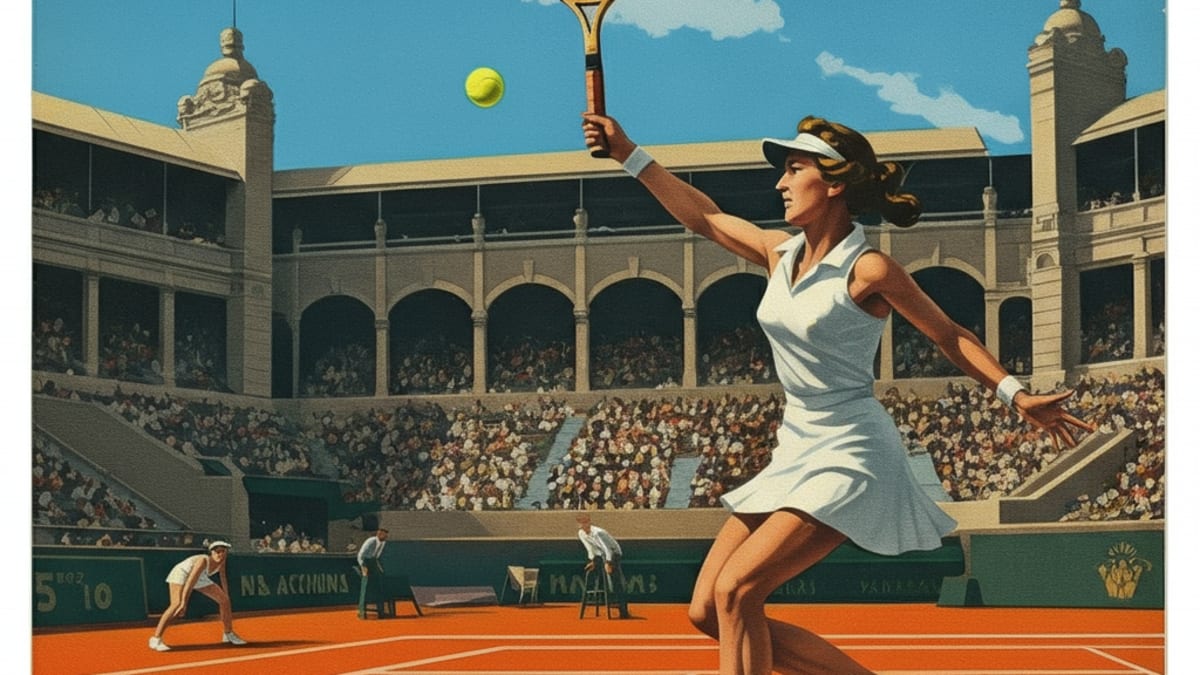
In the grand theater of the Madrid Open, where the red dust swirls and fortunes shift with the afternoon sun, the narrative has taken a distinct turn. Katie Boulter, the pride of the baseline, is writing a fresh chapter in her career. Having parted ways with Biljana Veselinovic, Boulter has looked to the seasoned tactical mind of Michael Joyce to steer her ship.
Listen to the Second Serve Podcast
Get our daily AI-synthesized audio briefings and match reviews on the go.
The results speak with a quiet, persistent authority. After languishing at No. 115 in the WTA rankings back in January, Boulter’s trajectory has been nothing short of vertical. By April 2026, she ascended to the 61st spot in the world, a rise bolstered by her glittering run to the Ostrava Open title in February.
Joyce, whose pedigree includes work with the likes of Maria Sharapova and Jessica Pegula, brings a no-nonsense, high-performance ethos to Boulter’s camp. It is a strategic pivot that favors consistency and aggressive court positioning, moving away from the fluctuations that haunted her earlier campaigns. As she steps onto the dirt in Madrid, the question remains: can this new partnership sustain the momentum through the European spring?
The Fragile Nature of Spring: Draper’s Knee Conundrum
While Boulter finds her stride, the ATP Tour landscape is momentarily dimmed by the reality of physical endurance. Jack Draper, a powerhouse with a serve that echoes through the stadium rafters, has been forced to hit the pause button. An aggravated knee tendon, that persistent thief of clay-court dreams, has sidelined the Brit for both Madrid and the upcoming Rome Masters.
It is a bitter pill for a talent who relies so heavily on his lateral explosion. The knee, the fulcrum of a modern player's movement, has demanded total rest to avoid long-term structural catastrophe. For Jack Draper, this is not a retirement, but a strategic retreat to ensure his heavy artillery is fully operational for the grass-court swing.
The void left by his absence in the draw leaves a gaping hole for tactical analysts. Without his unique blend of left-handed angles and bruising groundstrokes, the Madrid bracket feels a little less dangerous, a little less unpredictable. We wait with bated breath to see how his recovery progresses under the watchful eyes of his team.
Raducanu’s Silence and the Search for Consistency
The news from the women’s side remains equally sobering, as Emma Raducanu continues to navigate the labyrinthine challenges of tour-level health. Her withdrawal from three successive tournaments serves as a stark reminder of the relentless demand the circuit places on the human frame. The high-octane lifestyle of a professional traveling athlete leaves little room for the slow healing of niggling injuries.
Raducanu has been through a carousel of coaches—from the early guidance of Mark Petchey to the tactical experimentation with Dmitry Tursunov, Sebastian Sachs, Nick Cavaday, and Vlado Platenik—each attempting to unlock the consistency that once defined her meteoric rise. Each transition reflects a search for an identity that survives the rigors of the WTA grind.
Her current absence is not merely about missing a trophy hunt; it is about the long-term preservation of a career that is still in its infancy. As the tour moves from one city to the next, the shadows lengthen for those waiting for their chance to compete, while the pressure on the sport’s stars to perform—and stay fit—never ceases.
The Shifting Coaching Guard
The coaching merry-go-round, a phenomenon as old as the game itself, remains the ultimate X-factor. We see it in Boulter’s success with Joyce, and we reflect upon it when we observe others like Jodie Burrage or Francisco Roig, who have shaped various careers in the shadows. Coaches act as the quiet architects of public success, managing the psychological load as much as the topspin depth.
Tennis is a lonely sport played in a crowded stadium. When a player finds a coach who understands the nuance of their specific rhythm, the improvement is often immediate and undeniable. Boulter’s ascent proves that the right voice in the corner can sharpen the edge of even the most established player.
As we settle into the Madrid clay, we are reminded that for every player rising, there is another nursing a setback. The sport is a cruel, beautiful cycle of recovery, strategy, and triumph. We keep our eyes on the court, ready for the next surprise to rise from the red dust.
Essential Matchday Add-Ons
Tournament-tested accessories and high-frequency consumables every competitive player keeps in their bag.
Tourna Grip Original Dry Feel Overgrip (10-Pack)
4.8 ★ (12,000+ reviews)
The gold standard for sweaty hands. Proprietary dry feel absorbs moisture better as play intensifies.
Luxilon ALU Power 125 Silver String Set
4.9 ★ (3,500+ reviews)
Unrivaled control and spin potential used by over 50% of the ATP Top 100 players.
Babolat Custom Damp Vibration Dampener (2-Pack)
4.7 ★ (4,200+ reviews)
Customizable dampening with removable central O-ring for fine-tuning court feedback and sound.
Penn Championship Extra Duty Tennis Balls (4-Can Pack)
4.7 ★ (8,900+ reviews)
Official ball of USTA League Tennis with extra-duty felt designed for abrasive hard courts.
Analyze Katie Boulter vs. Jack Draper
Predict tactical adjustments, momentum swings, and serve strategy options for this match-up using our AI simulator.
The Aces Tactical Panel
This report was curated and edited by Bhaskar Goel. Tactical analysis and technical insights were provided by our specialized panel of expert correspondents.
Julian Price
Senior Tactical Correspondent
Stuffy, pedantic British academic and historian specializing in match momentum and historical context.
Elena Cruz
Director of Analytical Research
Data scientist specializing in court surface physics and movement patterns.
Bhaskar
The Editor & Fan
Passionate tennis player and site editor bringing everyday amateur insights and relatable fan commentary.
Arthur Vance
Senior Existential Analyst
Deep, eccentric, and DFW-inspired. Models court metaphysics, kinetic beauty, and player psychology.
Leo Sterling
High-Performance Consultant
Hard-nosed ex-trainer from Melbourne with a no-nonsense view on tour fitness.


