The Physical Ceiling of the Modern Game
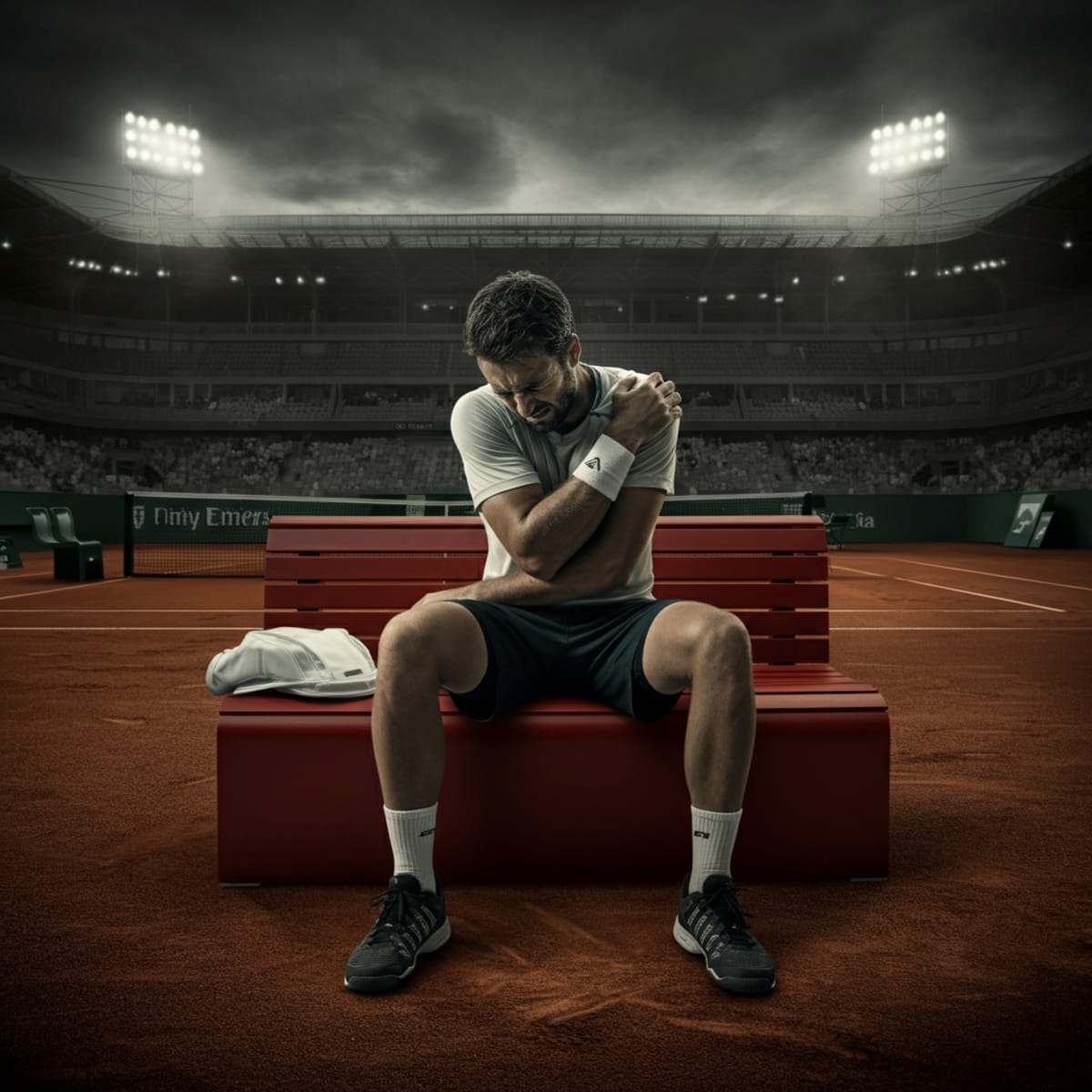
There is a quiet, brutal math to professional tennis that rarely makes it into the highlight reels. It’s the sound of a joint reaching its threshold, the vibration of carbon fiber against a fraying tendon. As we arrive at the Madrid Open, that reality is taking center stage. World No. 1 Jannik Sinner is currently walking a tightrope, managing shoulder discomfort that surfaced during his second practice session. It’s a stark reminder that even the most disciplined regimens aren't immune to the relentless demand of the ATP Tour.
Listen to the Second Serve Podcast
Get our daily AI-synthesized audio briefings and match reviews on the go.
When the body speaks, the mind must listen. For Sinner, the decision to push through or recalibrate is the defining struggle of this stage in his career. We are seeing a sport where the margins are so slim that 'maintenance' has effectively become the most important tactical skill a player can possess. The grind is no longer just about who has the cleanest forehand; it’s about who can manage their internal resources long enough to reach the final weekend.
It is exhausting to watch, and perhaps more so to endure. The high-performance cycle forces athletes into a corner where every swing of the racket carries the risk of a season-altering setback. For the young Italian, these sessions in Madrid are less about court geometry and more about listening to the bio-feedback of his own musculature under the heavy, abrasive weight of red clay.
A Vacated Draw and the Ripple Effect
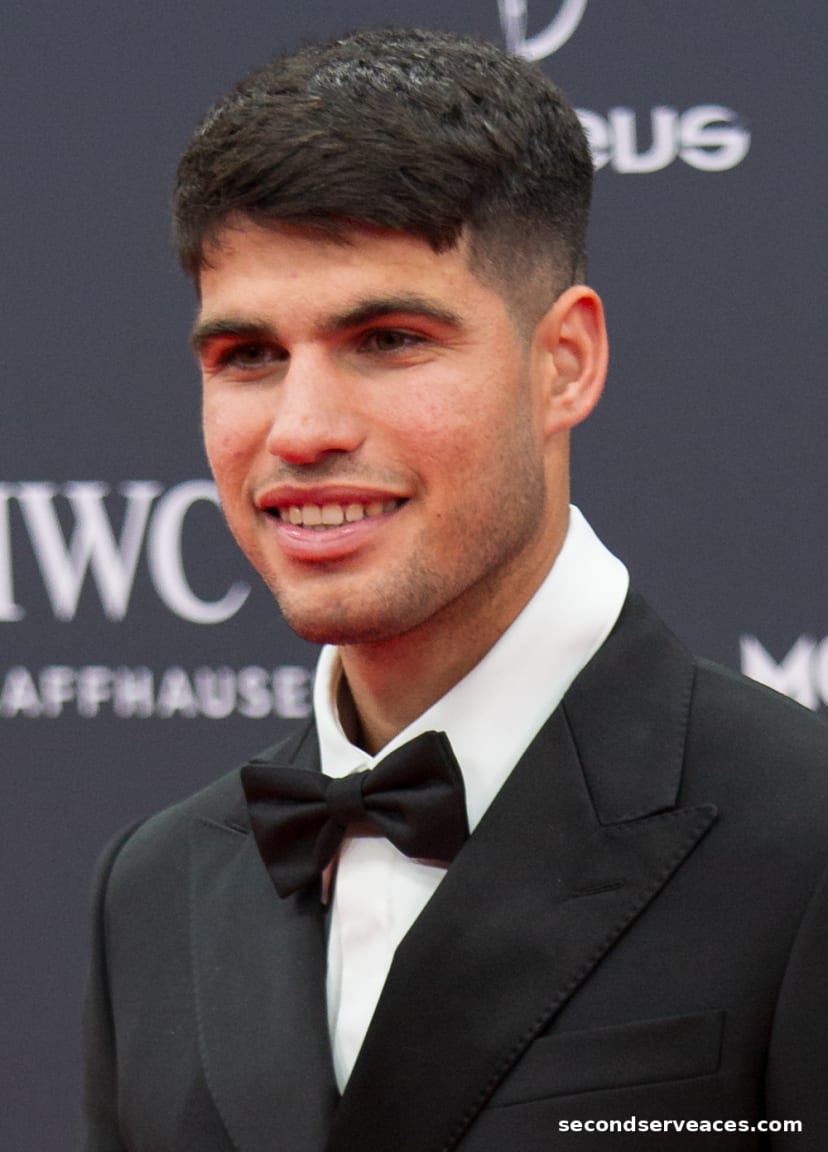
The casualty list in Madrid is growing, turning this tournament into a study of absence. Carlos Alcaraz, the golden boy of the Spanish clay, has been forced to withdraw following a wrist injury sustained during his recent encounter with Otto Virtanen in Barcelona. It’s a cruel twist for a player who treats the court like his personal playground. Without him, the oxygen in the stadium feels thinner.
Joining him on the sidelines is Novak Djokovic, whose own recovery from a right shoulder injury dating back to the Indian Wells Masters continues to compromise his schedule. The departure of the game's titans creates a vacuum that shifts the psychological landscape of the entire draw. When the standard-bearers are missing, the pressure shifts to the next guard to prove they can hold the house up.
Meanwhile, the instability extends to the veterans and the mid-tier stalwarts. Taylor Fritz has pulled the plug on his participation due to recurring knee issues, highlighting a broader trend of wear-and-tear across the tour. When the top seeds fade, the tournament enters a strange, unsettled state of limbo where survival—not just victory—becomes the primary objective.
The Changing Guard Amidst Physical Chaos
While the headlines are dominated by the withdrawals of Sinner, Alcaraz, and Djokovic, we must look at who is actually standing upright. Recent weeks have shown that momentum is a fickle currency. Ben Shelton is arriving with the confidence of his title win in Munich, while Arthur Fils is carrying the momentum of his Barcelona triumph. They are the beneficiaries of this shifting tide, thrust into the spotlight of a major event by sheer durability.
This is the harsh reality of the current era. Success is transient, often dictated by who is the last one standing when the physio room closes. Players like Fils and Shelton are not just competing against their opponents; they are competing against the statistical likelihood of burnout. Their ability to remain injury-free is a competitive advantage as significant as a 130 mph serve.
We are witnessing a changing of the guard, not just through points in the ATP rankings, but through the resilience of the human frame. The question for the rest of this season is simple: who has enough left in the tank to survive the relentless, grinding nature of professional tennis?
Defining the Next Phase of Attrition
As we look forward, the Madrid draw feels like a puzzle with several missing corner pieces. The absence of heavy hitters like Alcaraz and Djokovic, coupled with the uncertainty surrounding Sinner’s shoulder, redefines the path to the trophy for everyone else in the locker room. The tactical approach to this tournament must change; playing with caution is now a mandatory strategy for those looking to survive the week.
The mental toll of watching your peers exit the tournament before a single point is played in the main draw is immense. It forces players to reckon with their own fragility. Those who can navigate the physical trauma of the surface—the heavy, slide-heavy nature of clay—while maintaining the mental clarity to execute their shots will be the ones left standing on Sunday.
Ultimately, Madrid is a test of how much an athlete is willing to risk. It’s an open book where the chapters are being written by injury reports as much as by winners and unforced errors. The players who can balance that high-wire act of aggression and self-preservation are the only ones who will truly claim a piece of this tournament’s legacy.
What Jannik Sinner Plays With
Head Speed MP 2024
Head Hawk Touch 1.25
Nike GP Challenge 1
Analyze Jannik Sinner vs. Carlos Alcaraz
Predict tactical adjustments, momentum swings, and serve strategy options for this match-up using our AI simulator.
The Aces Tactical Panel
This report was curated and edited by Bhaskar Goel. Tactical analysis and technical insights were provided by our specialized panel of expert correspondents.
Julian Price
Senior Tactical Correspondent
Stuffy, pedantic British academic and historian specializing in match momentum and historical context.
Elena Cruz
Director of Analytical Research
Data scientist specializing in court surface physics and movement patterns.
Bhaskar
The Editor & Fan
Passionate tennis player and site editor bringing everyday amateur insights and relatable fan commentary.
Arthur Vance
Senior Existential Analyst
Deep, eccentric, and DFW-inspired. Models court metaphysics, kinetic beauty, and player psychology.
Leo Sterling
High-Performance Consultant
Hard-nosed ex-trainer from Melbourne with a no-nonsense view on tour fitness.