The Popularity Paradox
There is a weight to being the fans' favorite. For the third consecutive year, Jannik Sinner has earned the title, a recognition of his relentless work ethic and the clean, stinging quality of his ball striking. As he touches down at the Monte Carlo Masters, the atmosphere shifts. The transition from the hard courts of Indian Wells and Miami to the crushed brick of Monaco isn’t just about gear—it’s about patience. You don't just blast through clay; you negotiate with it.
Listen to the Second Serve Podcast
Get our daily AI-synthesized audio briefings and match reviews on the go.
The Tactical Breakdown
To succeed on clay, a player must be willing to accept the ugly, grinding rallies. Sinner’s game is built on a foundation of flat, penetrating groundstrokes. On the European red clay, the tactical challenge evolves:
- Rally Tolerance: The surface kills pace, forcing players to build points rather than ending them in two shots. Sinner’s ability to maintain aggression while adding vertical margin is key.
- Court Geometry: Monte Carlo rewards those who use the wide angles to open the court, forcing the opponent to cover more ground.
- Movement Patterns: Sliding on clay is an art. It requires trusting your footing to change direction, a necessary adjustment for any player moving from the high-friction hard courts.
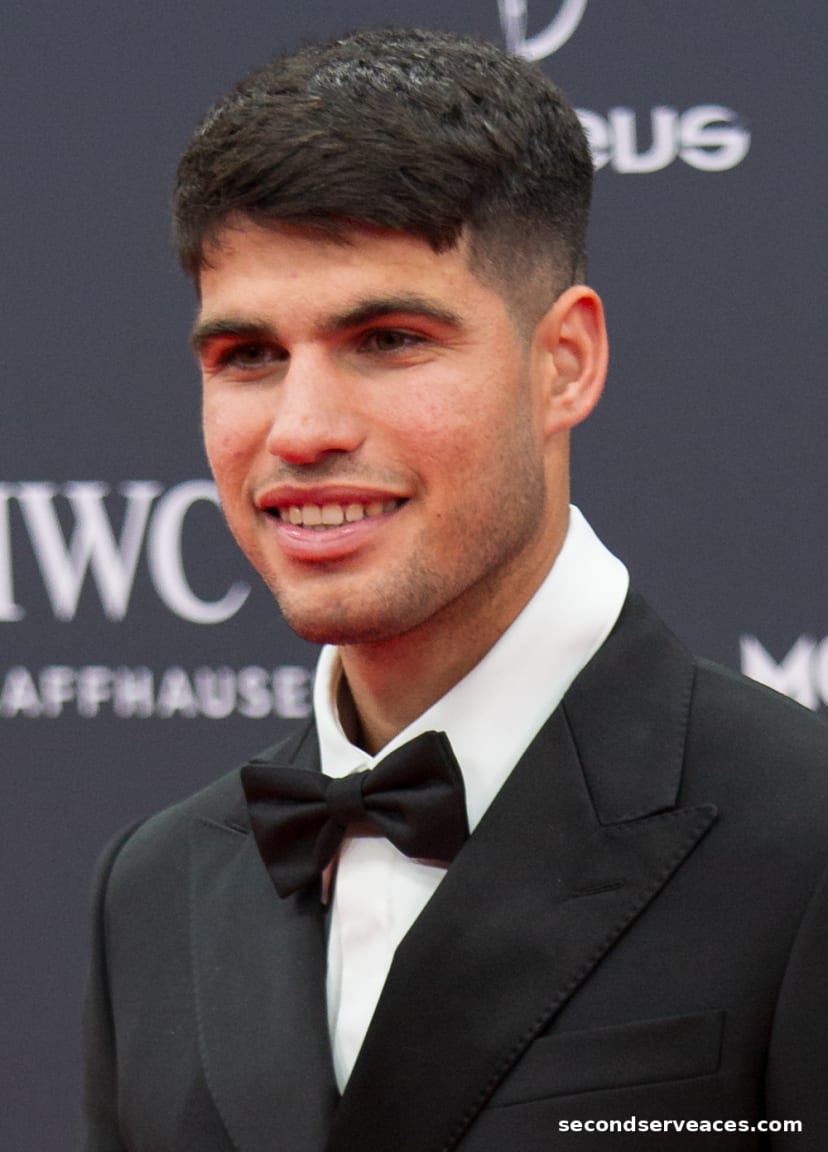
While the tour has seen fierce exchanges between Sinner and Carlos Alcaraz, we haven't witnessed them collide yet in 2026. Alcaraz, with his heavy topspin and creative drop-shot artistry, remains the benchmark for movement on this surface. When they eventually meet, the tactical battle will center on who can better dictate the rally length—Sinner trying to shorten points with pure velocity, or Alcaraz dragging him into the depths of a physical, multi-layered chess match.
The Bigger Picture
Monte Carlo occupies a unique space in the calendar. It isn't a mandatory tournament on the ATP Tour, which lends it an air of prestige and choice. It’s the starting gun for the true clay-court season, leading toward the grueling demands of Roland Garros. For Sinner, this week is a litmus test for his stamina and his ability to adapt his game away from his preferred hard-court conditions.
The rivalry between Sinner and Alcaraz is currently the most compelling narrative in the sport. Since they have yet to face off in 2026, every match they play leading into the summer is a data point for their development. The fans love them because they represent a new guard, one that plays with transparency and total effort. As we watch the clay season unfold, keep an eye on how these two manage their energy. Winning a fan award is an honor, but on the dirt, it’s about how many times you’re willing to get back up after a slide.
What Jannik Sinner Plays With
Head Speed MP 2024
Head Hawk Touch 1.25
Nike GP Challenge 1
Analyze Jannik Sinner vs. Carlos Alcaraz
Predict tactical adjustments, momentum swings, and serve strategy options for this match-up using our AI simulator.
The Aces Tactical Panel
This report was curated and edited by Bhaskar Goel. Tactical analysis and technical insights were provided by our specialized panel of expert correspondents.
Julian Price
Senior Tactical Correspondent
Stuffy, pedantic British academic and historian specializing in match momentum and historical context.
Elena Cruz
Director of Analytical Research
Data scientist specializing in court surface physics and movement patterns.
Bhaskar
The Editor & Fan
Passionate tennis player and site editor bringing everyday amateur insights and relatable fan commentary.
Arthur Vance
Senior Existential Analyst
Deep, eccentric, and DFW-inspired. Models court metaphysics, kinetic beauty, and player psychology.
Leo Sterling
High-Performance Consultant
Hard-nosed ex-trainer from Melbourne with a no-nonsense view on tour fitness.