A Changing Guard on the Parisian Red Earth
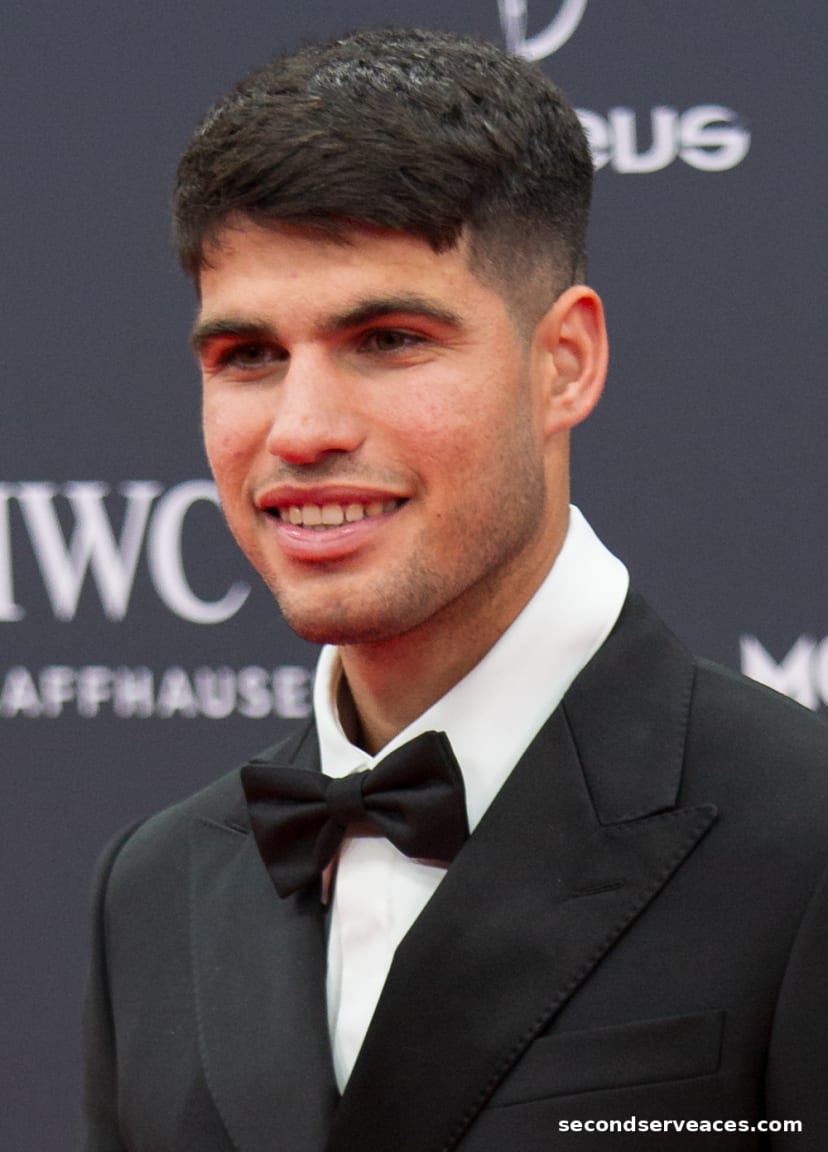
The Roland Garros grounds, usually buzzing with the frantic energy of the year's second major, feel a touch more subdued this week. The news that Carlos Alcaraz has been forced to withdraw due to a wrist injury has sent a ripple through the men’s draw. It is a stark reminder of the physical demands placed upon these young titans, who play with a ferocity that often pushes their frames to the absolute brink.
Listen to the Second Serve Podcast
Get our daily AI-synthesized audio briefings and match reviews on the go.
Jannik Sinner, currently sitting atop the ATP rankings, finds himself in the unfamiliar, rarified air of the world number one. Yet, speaking with the measured tone of a man who respects the battlefield, Sinner was quick to dismiss the chatter that casts him as the lone inevitable champion. The Italian powerhouse recognizes that the sport’s intrigue is woven from the direct clashes of its brightest stars.
There is no joy in an adversary’s absence for a competitor of Sinner's ilk. Drawing on memories of the high-stakes tennis seen this season, he acknowledged the void left by his peer. "Tennis needs Carlos Alcaraz for its spirit," Sinner noted, emphasizing that the game relies on the unique intensity that players like Alcaraz—and indeed, legends like Novak Djokovic—bring to the court every time the umpire calls 'play.'
Lessons Learned from the Australian Open Crucible
To understand the current climate of the tour, one must look back to the early months of the year. The memory of the Australian Open semi-finals remains vivid, where Djokovic masterfully navigated the path past Sinner. That encounter served as a stern tutorial on the margins that separate the good from the transcendent, reinforcing the idea that the hierarchy is never truly settled until the final point is struck.
Sinner’s perspective seems informed by that very loss. He understands that being the man at the summit—or even a heavy favorite—is a title of paper, not of results. In the locker room, the conversation is rarely about ranking points; it is about the reality that any opponent, from the established names like Daniil Medvedev and Alexander Zverev to rising talents like Arthur Fils or the young Rafael Jodar, can provide a difficult afternoon if the rhythm is off.
The tactical adjustments required to maintain consistency at this level are immense. Sinner’s awareness that the game relies on a cast of characters to thrive suggests a maturity beyond his years. He is not merely playing to fill a bracket; he is playing to contribute to a narrative that requires his rivals to be healthy and at the peak of their powers.
The Madrid Connection and the Wider Tour Context
This is not the first time the tennis world has had to adjust its lens due to the absence of the Spaniard. Sinner previously addressed similar circumstances during the Madrid Open, where the absence of top-tier talent forced the field to recalibrate its approach. It is a recurring rhythm of the modern game: one week a star is ascending, the next, the tour must find a way to maintain its momentum in their wake.
The absence of such a high-profile player inevitably draws eyes to the remaining field, including the gritty Alex de Minaur and the ever-formidable Zverev. Yet, Sinner’s insistence on the necessity of Alcaraz points to a greater truth about the current era: these players aren't just competing for trophies; they are building a collective spectacle. When one piece of that mosaic is missing, the entire picture shifts.
As the clay continues to hold the history of the sport, the pressure on the world number one remains constant, regardless of who is across the net. Sinner approaches this phase of his career with a mix of genuine empathy for his rival and an unyielding commitment to the standard he has set for himself. The game moves on, but the respect remains absolute.
What Jannik Sinner Plays With
Head Speed MP 2024
Head Hawk Touch 1.25
Nike GP Challenge 1
Analyze Jannik Sinner vs. Carlos Alcaraz
Predict tactical adjustments, momentum swings, and serve strategy options for this match-up using our AI simulator.
The Aces Tactical Panel
This report was curated and edited by Bhaskar Goel. Tactical analysis and technical insights were provided by our specialized panel of expert correspondents.
Julian Price
Senior Tactical Correspondent
Stuffy, pedantic British academic and historian specializing in match momentum and historical context.
Elena Cruz
Director of Analytical Research
Data scientist specializing in court surface physics and movement patterns.
Bhaskar
The Editor & Fan
Passionate tennis player and site editor bringing everyday amateur insights and relatable fan commentary.
Arthur Vance
Senior Existential Analyst
Deep, eccentric, and DFW-inspired. Models court metaphysics, kinetic beauty, and player psychology.
Leo Sterling
High-Performance Consultant
Hard-nosed ex-trainer from Melbourne with a no-nonsense view on tour fitness.