The Surface Paradox
To watch Jannik Sinner on a tennis court is to witness a study in kinetic efficiency. Yet, as we gather on the periphery of the Monte Carlo Masters, the narrative shifts toward the recalibration of that efficiency. Sinner is a man of precise, linear vectors, a player who prefers the frictionless velocity of faster surfaces. Entering this event, the statistics offer a sobering baseline: he has secured only one ATP title on clay in his career. In 124 career matches on the surface, he maintains a 71% win rate—a figure that, while respectable, hints at the subtle, granular friction the red dirt imposes on his game.
Listen to the Second Serve Podcast
Get our daily AI-synthesized audio briefings and match reviews on the go.
Sinner himself, with the transparency that defines his public persona, admits that clay does not occupy the top tier of his personal preferences. There is no pretense here. He speaks of it not as a favorite venue, but as a technical puzzle to be solved. With only a sliver of time dedicated to the necessary surface adjustment, his arrival in the Principality feels less like a triumphal march and more like a high-stakes experiment in adaptation.
The Tactical Breakdown
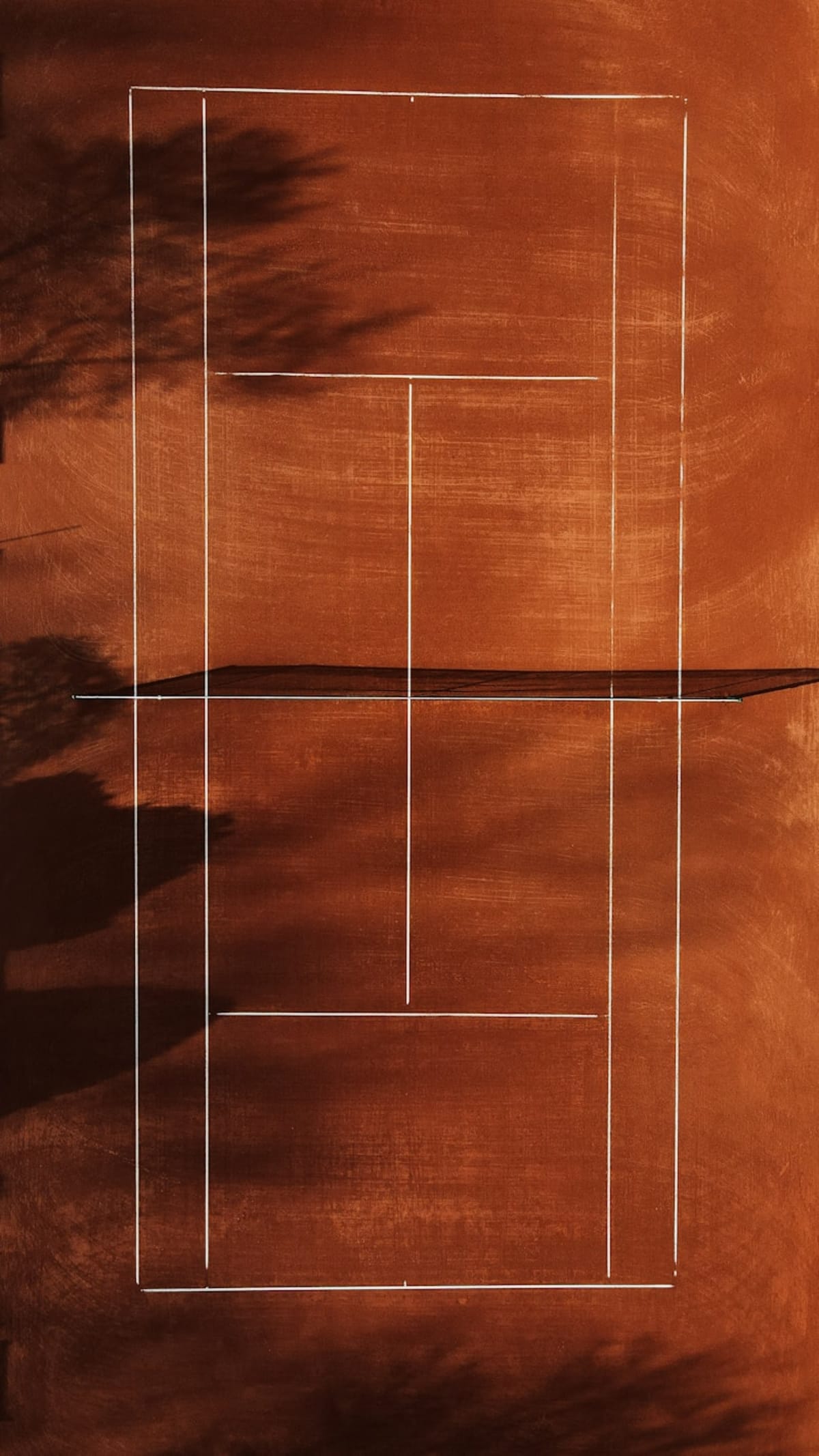
Clay is a medium that demands a different relationship with the geometry of the court. For a player like Sinner, whose game is built upon baseline aggression and the relentless shortening of points, the surface acts as a stabilizer. It demands higher margins, increased topspin to maintain control, and a greater tolerance for the extended rally.
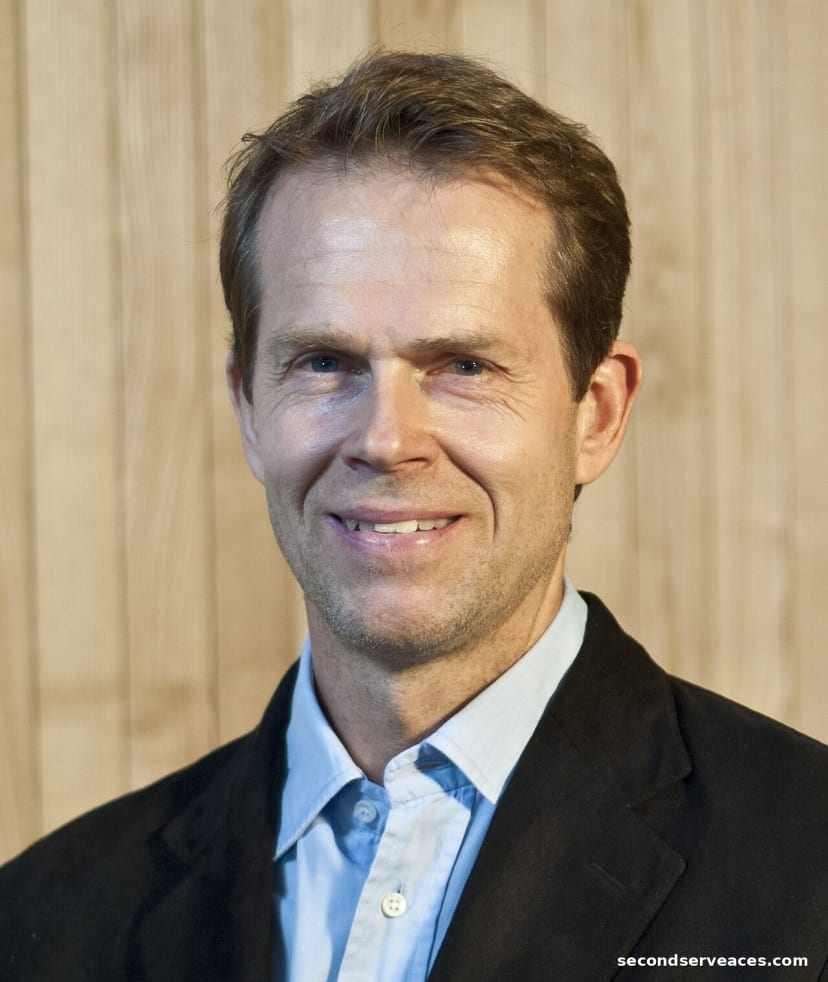
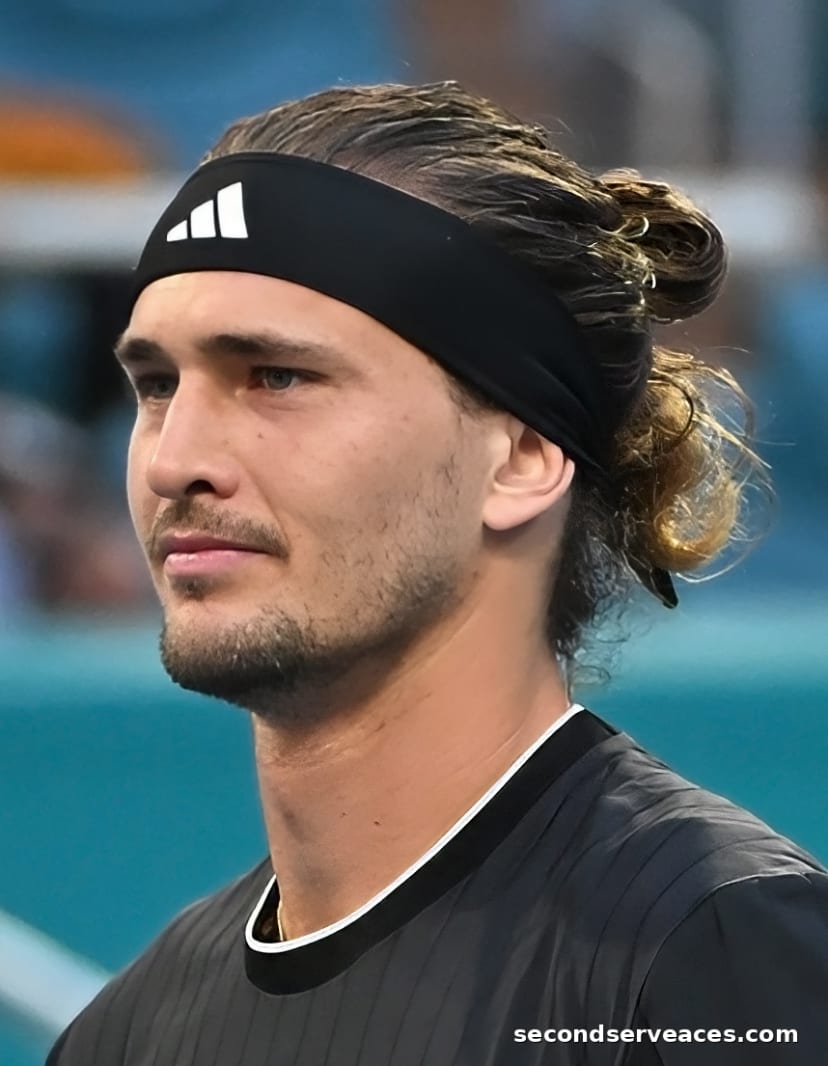
- Rally Tolerance: On clay, the ball’s bounce slows, forcing players to hit through the court rather than simply redirecting pace. Sinner’s task is to maintain his signature depth without inviting the high-looping balls that Stan Wawrinka or Novak Djokovic utilize to neutralize heavy hitters.
- Court Geometry: Without the free points afforded by faster courts, tactical serve placement becomes a matter of setting up the +1 ball. Sinner must contend with the fact that his flatter, linear strikes have less "bite" on the slow, particulate surface of Monte Carlo.
- The Sliding Mechanic: The ability to slide into the corners on clay is not merely a defensive maneuver; it is a way to shave milliseconds off the recovery time. Sinner’s lateral movement will be tested by the surface's tendency to hold the feet rather than allow the smooth, rhythmic release found on hard courts.
The Bigger Picture
History provides a backdrop to these concerns. We have seen champions like Novak Djokovic and Stan Wawrinka navigate the transition from hard courts to the clay of Monte Carlo by fundamentally altering their spin rates and patience thresholds. For Sinner, the challenge is developmental. He is young, and his career trajectory remains in a state of rapid flux. The transition to clay is less about winning this specific trophy and more about the expansion of his tennis vocabulary.
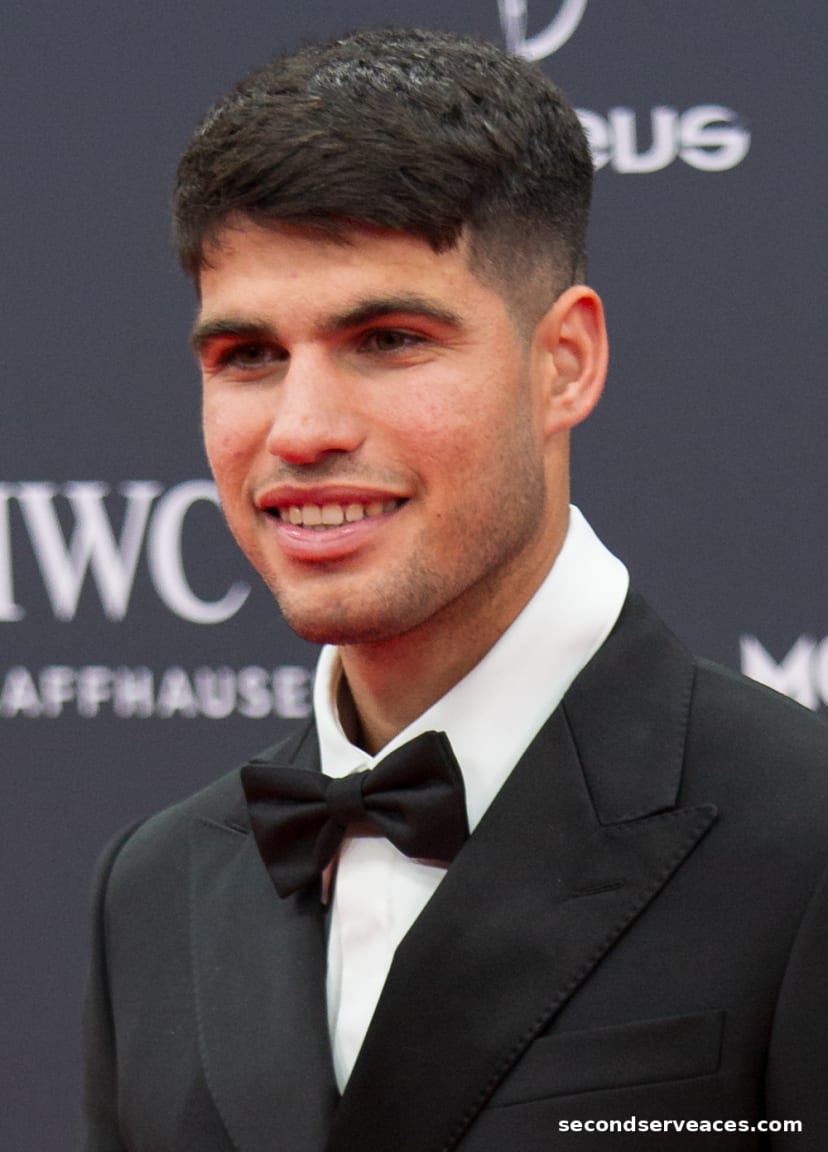
Should he struggle, it will be viewed through the lens of a necessary growth period. Should he thrive, it signals a transition toward a more complete, surface-agnostic profile—a terrifying prospect for the rest of the ATP tour. Carlos Alcaraz has already proven that the modern, power-first game can be retrofitted for the clay; Sinner is currently in the midst of his own version of that arduous, necessary translation.
What Jannik Sinner Plays With
Head Speed MP 2024
Head Hawk Touch 1.25
Nike GP Challenge 1
Analyze Jannik Sinner vs. Carlos Alcaraz
Predict tactical adjustments, momentum swings, and serve strategy options for this match-up using our AI simulator.
The Aces Tactical Panel
This report was curated and edited by Bhaskar Goel. Tactical analysis and technical insights were provided by our specialized panel of expert correspondents.
Julian Price
Senior Tactical Correspondent
Stuffy, pedantic British academic and historian specializing in match momentum and historical context.
Elena Cruz
Director of Analytical Research
Data scientist specializing in court surface physics and movement patterns.
Bhaskar
The Editor & Fan
Passionate tennis player and site editor bringing everyday amateur insights and relatable fan commentary.
Arthur Vance
Senior Existential Analyst
Deep, eccentric, and DFW-inspired. Models court metaphysics, kinetic beauty, and player psychology.
Leo Sterling
High-Performance Consultant
Hard-nosed ex-trainer from Melbourne with a no-nonsense view on tour fitness.