The Coronation of Sinner
Listen, I’ve been around this game long enough to know when the guard is changing, and what we just witnessed at the Miami Open is a seismic shift. Jannik Sinner walked onto that court and handled Jiri Lehecka with the kind of ruthless efficiency that makes you wonder if anyone is even paying attention. A 6-4, 6-4 scoreline doesn't just happen by accident—it happens when a kid decides he’s not just here to play, but here to own the surface. With this win, Sinner is officially the eighth player in history to complete the prestigious 'Sunshine Double.'
Listen to the Second Serve Podcast
Get our daily AI-synthesized audio briefings and match reviews on the go.
Let’s talk about the numbers, because they don’t lie, even if the officiating sometimes does. Sinner has now reached 75 hard-court Masters wins in a mere 92 matches. To put that in perspective for those of you who weren't watching when I was on tour: he beat Andre Agassi’s record of 93 matches. You want to talk about consistency? The guy has taken three consecutive Masters 1000 titles without dropping a single set. That’s not luck; that’s a clinic.
The Tactical Breakdown
Tactically, Sinner is operating on a different wavelength than the rest of the field. What we saw against Lehecka was a masterclass in geometry. Sinner doesn’t just hit the ball; he dictates the dimensions of the court. His ability to hit through the transition phase—turning defense into an offensive strike with a single backhand down the line—is what separates the contenders from the champions.
- Baseline Dominance: Sinner uses his rally tolerance to frustrate opponents, forcing them into lower-percentage shots before he pulls the trigger.
- Serve Placement: He isn't hitting 140 mph bombs, but the precision into the corners opens up the court, allowing him to dominate the subsequent +1 shot.
- Net Efficiency: While he prefers the backcourt, his increased frequency in finishing points at the net prevents opponents from finding their rhythm in long, drawn-out baseline exchanges.
The Bigger Picture
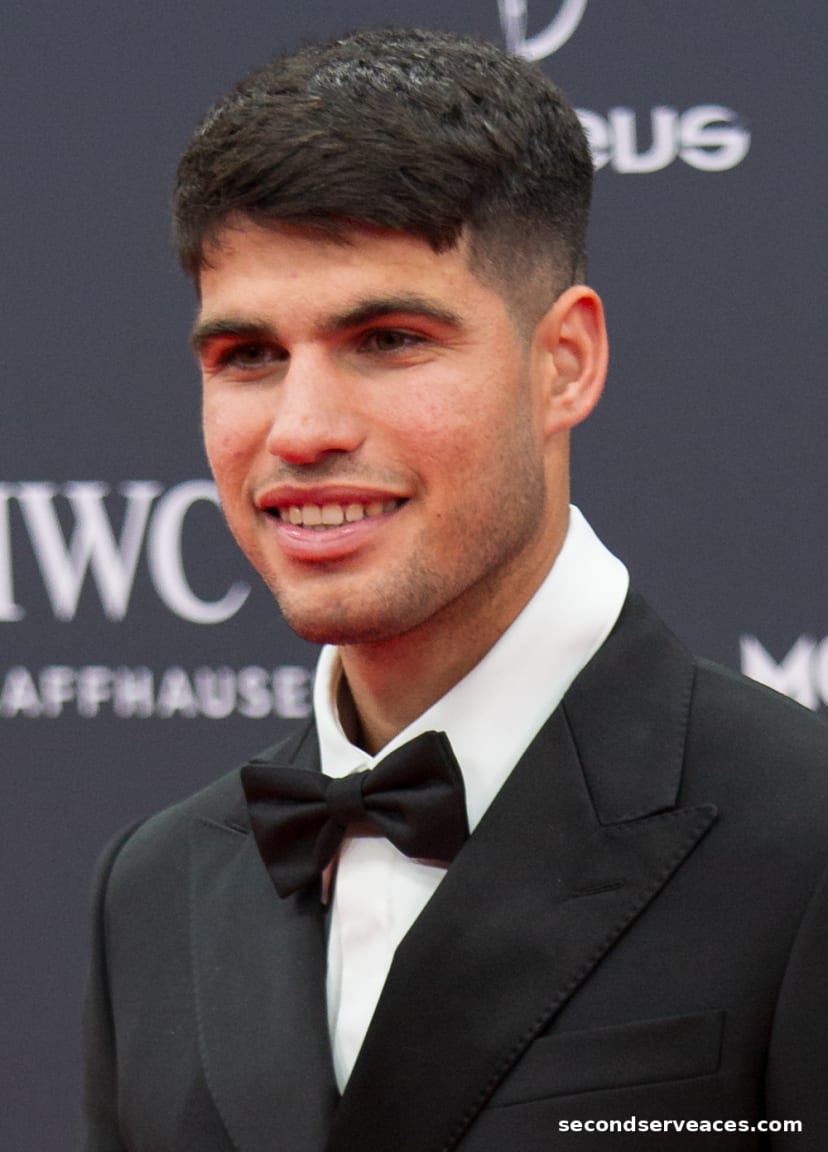
Where does this leave us? We’re looking at a player whose trajectory is clearly pointing toward a permanent residence at the top of the rankings. He’s moved past the shadows of legends like Ivan Lendl or Thomas Muster in terms of pure, clinical hard-court output at this stage of his career. While names like Carlos Alcaraz and Novak Djokovic remain the benchmark, Sinner has stripped away the aura of invincibility they once carried.
Looking ahead, the calendar doesn't slow down. With the 2026 Canadian Open looming from August 2nd to August 13th, the pressure is only going to mount. The question isn't whether Sinner can keep winning; it’s whether the rest of the tour can find a tactical answer to his relentless baseline pressure before he runs away with the entire season.
What Jannik Sinner Plays With
Head Speed MP 2024
Head Hawk Touch 1.25
Nike GP Challenge 1
Analyze Jannik Sinner vs. Jiri Lehecka
Predict tactical adjustments, momentum swings, and serve strategy options for this match-up using our AI simulator.
The Aces Tactical Panel
This report was curated and edited by Bhaskar Goel. Tactical analysis and technical insights were provided by our specialized panel of expert correspondents.
Julian Price
Senior Tactical Correspondent
Stuffy, pedantic British academic and historian specializing in match momentum and historical context.
Elena Cruz
Director of Analytical Research
Data scientist specializing in court surface physics and movement patterns.
Bhaskar
The Editor & Fan
Passionate tennis player and site editor bringing everyday amateur insights and relatable fan commentary.
Arthur Vance
Senior Existential Analyst
Deep, eccentric, and DFW-inspired. Models court metaphysics, kinetic beauty, and player psychology.
Leo Sterling
High-Performance Consultant
Hard-nosed ex-trainer from Melbourne with a no-nonsense view on tour fitness.