A Troubling Trend on the Clay
Tennis is a sport that doesn't forgive. You wake up, you grind, and you hope your body decides to cooperate with your ambition. On Monday, April 20, 2026, the Madrid Open felt that unforgiving nature once again. World No. 1 Jannik Sinner cut his practice session short, reporting shoulder discomfort that has the entire tour holding its breath. When the man at the top of the ATP rankings struggles to rotate, the equilibrium of the entire season shifts.
Listen to the Second Serve Podcast
Get our daily AI-synthesized audio briefings and match reviews on the go.
This isn't just about one player; it is about the mounting physical debt that these athletes pay to maintain a level of intensity that the modern game demands. Sinner’s situation mirrors the reality that no one is immune to the grind. The recovery windows are closing, and the transition to the red clay of Madrid has proven particularly brutal on the tendons and joints of the tour’s heavy hitters.
The uncertainty surrounding Sinner forces us to confront a recurring theme in professional tennis: the thin line between elite performance and total physical breakdown. Every baseline exchange, every serve with heavy topspin, and every recovery slide is a withdrawal from a bank account that is currently overdrawn for many of the game's brightest stars.
The Empty Draws and Stalled Momentum
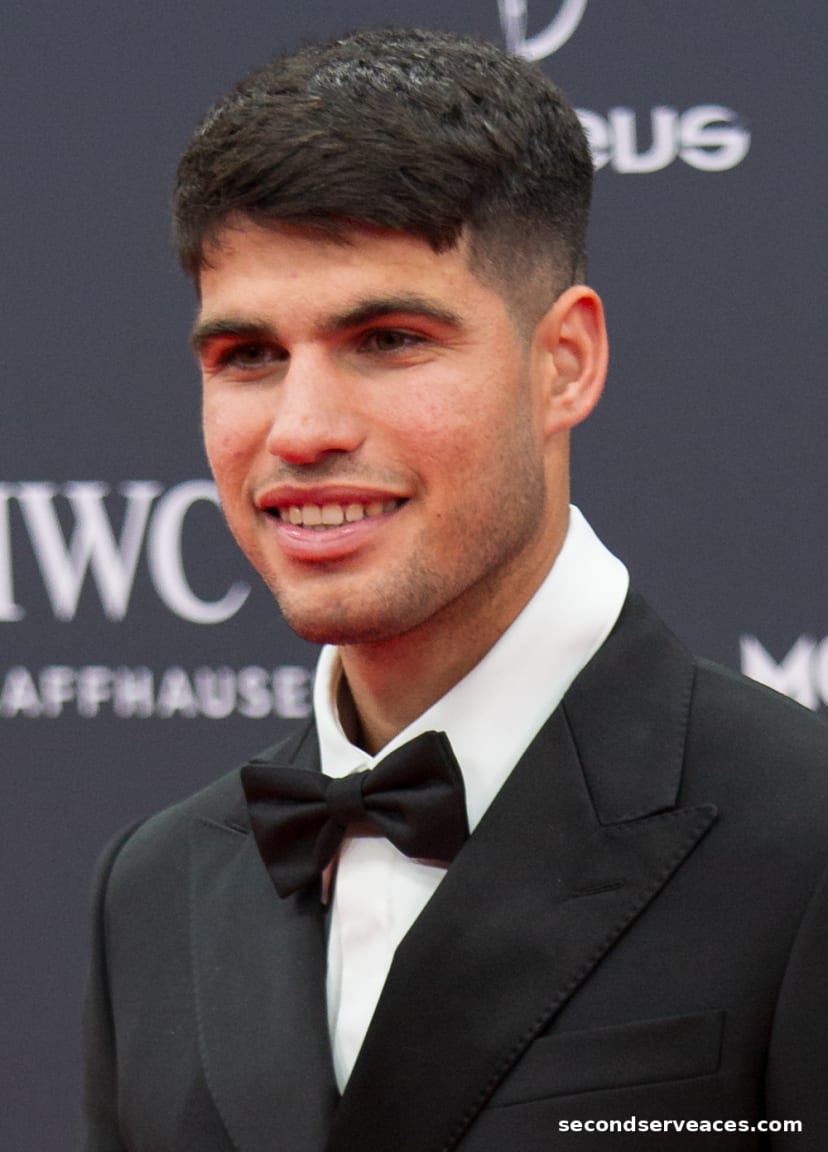
Looking at the entry list for this year’s tournament is a sobering exercise. The Madrid draw is missing some of its most compelling narratives. Carlos Alcaraz is sidelined, nursing a wrist injury sustained back at the Barcelona Open. Without his presence, the tournament loses a gravitational force that keeps the match momentum locked in high gear.
The list continues, a roll call of the absent: Novak Djokovic has pulled out due to a right shoulder injury that has clearly not subsided. Meanwhile, Taylor Fritz is dealing with knee issues, and Frances Tiafoe has opted to withdraw, further thinning the field of top-tier talent. These aren't just names; they are the architects of the rivalries that drive our sport’s relevance.
Even Holger Rune remains on the sidelines, still recovering from the ACL injury he sustained last year. It serves as a stark reminder that even when a player leaves the court, the shadow of the injury follows them long after the cameras have turned off.
The Fragile Nature of Peak Performance
We often talk about tactical setups and court coverage, but we rarely discuss the sheer psychological pressure of playing through micro-trauma. When a player like Sinner pauses a practice session, he isn't just checking a shoulder; he is calculating his entire season. One wrong move on the European clay can turn a championship run into a multi-month rehabilitation project.
The depth of the field is meant to compensate for these absences, yet the absence of the top seeds changes the tactical landscape of the entire tournament. Players like Tommy Paul, Alex de Minaur, and Ben Shelton find themselves in a bracket that suddenly looks very different than the one envisioned at the start of the season. The pressure to step up is immense, yet the physical risks remain constant for every single competitor.
We are watching a transition phase in tennis where the physical cost of the calendar is being called into question. It is an open book of struggle, where the most honest answers are found in the training rooms and medical reports, rather than in the highlight reels of victory.
Looking Toward an Uncertain Horizon
What happens next is the ultimate test of the sport's resilience. The Madrid Open will proceed, and new stars will attempt to fill the void left by the injured, but the absence of players like Sinner, Alcaraz, and Djokovic creates a vacuum that is impossible to ignore. Fans come to see the clash of titans, and when those titans are grounded, the texture of the sport changes.
We must wait to see if Sinner can manage his discomfort or if he will join the growing list of high-profile withdrawals. The, training regimen required to survive on the ATP tour is evolving, yet the human anatomy remains stubbornly resistant to the pace. It is a reminder that in this game, your greatest opponent is often your own body.
Keep your eyes on the practice courts. In the current era of professional tennis, the most important movements aren't the winners hit during a match; they are the quiet, cautious steps taken by players testing their limits under the watchful gaze of their teams.
What Jannik Sinner Plays With
Head Speed MP 2024
Head Hawk Touch 1.25
Nike GP Challenge 1
Analyze Jannik Sinner vs. Carlos Alcaraz
Predict tactical adjustments, momentum swings, and serve strategy options for this match-up using our AI simulator.
The Aces Tactical Panel
This report was curated and edited by Bhaskar Goel. Tactical analysis and technical insights were provided by our specialized panel of expert correspondents.
Julian Price
Senior Tactical Correspondent
Stuffy, pedantic British academic and historian specializing in match momentum and historical context.
Elena Cruz
Director of Analytical Research
Data scientist specializing in court surface physics and movement patterns.
Bhaskar
The Editor & Fan
Passionate tennis player and site editor bringing everyday amateur insights and relatable fan commentary.
Arthur Vance
Senior Existential Analyst
Deep, eccentric, and DFW-inspired. Models court metaphysics, kinetic beauty, and player psychology.
Leo Sterling
High-Performance Consultant
Hard-nosed ex-trainer from Melbourne with a no-nonsense view on tour fitness.