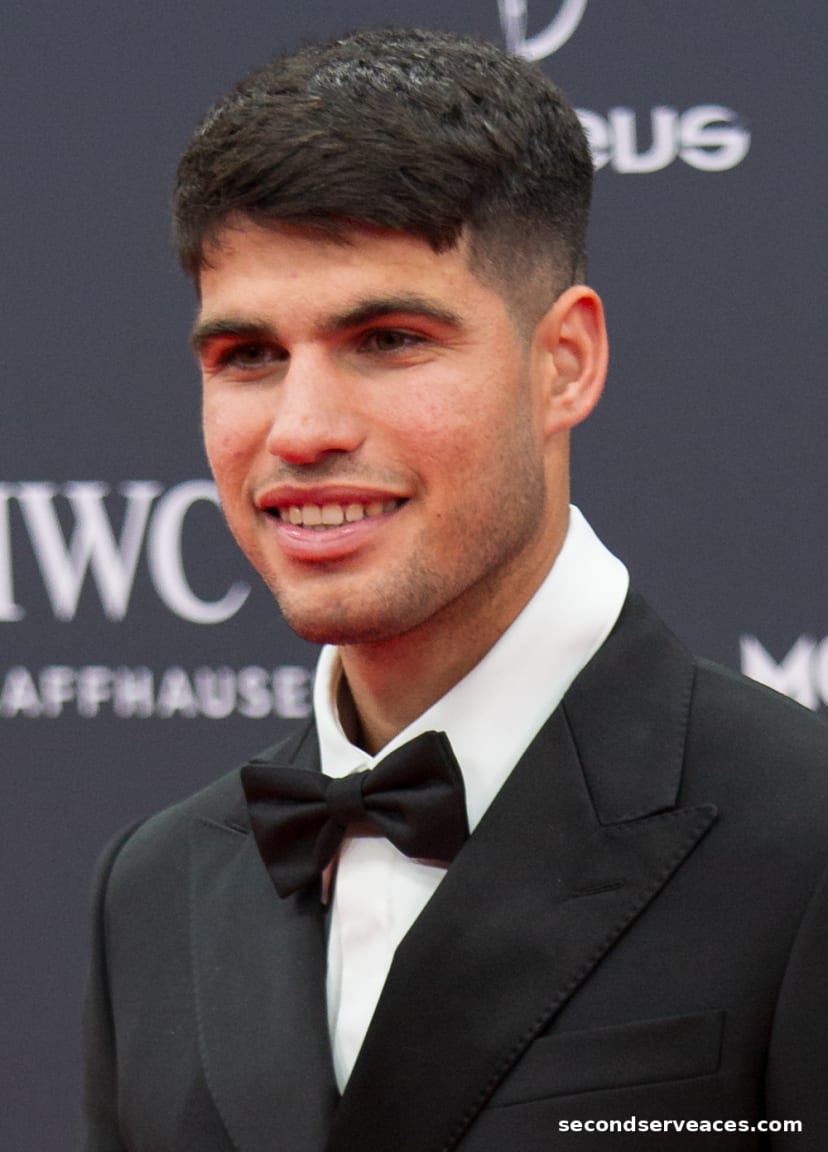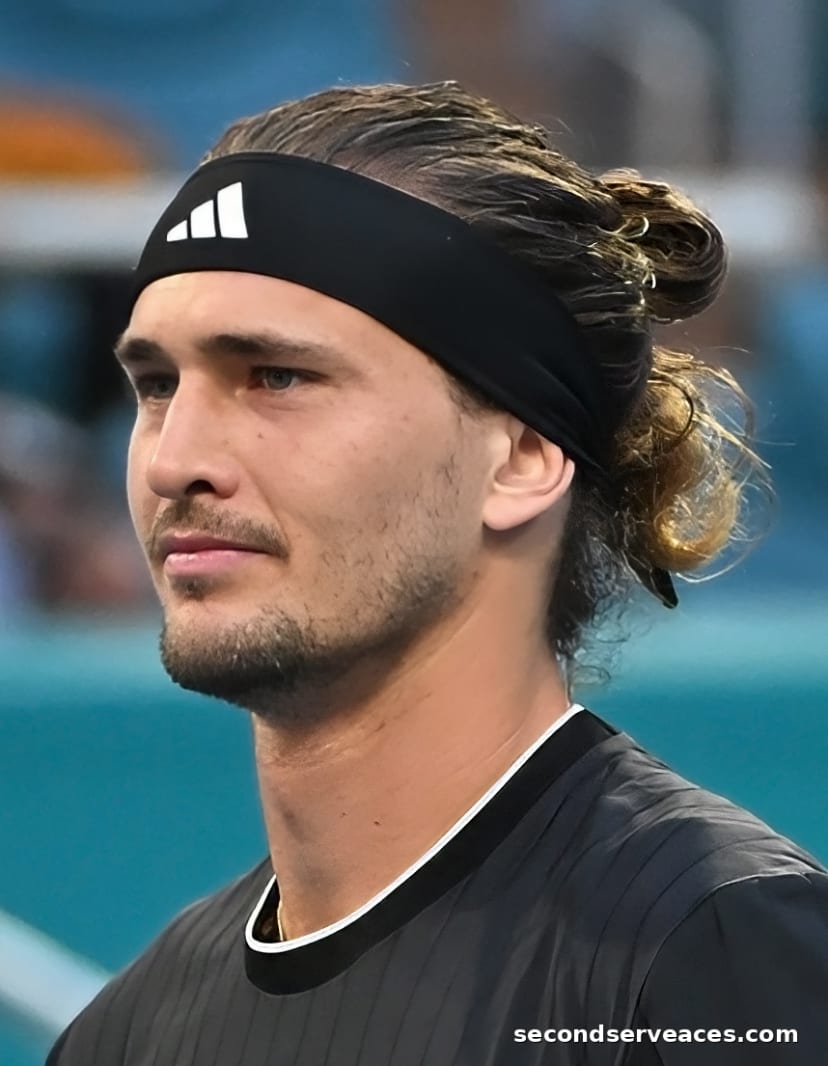
When you start erasing Novak Djokovic's name from the record books, you command the attention of the entire locker room. Jannik Sinner achieved exactly that on the sun-baked hard courts of the Miami Open, securing a grueling 7-5, 7-6 (7-4) victory over the towering Alex Michelsen. The straight-sets win wasn't merely a ticket to the next round; it etched the Italian into the history books by marking his 28th consecutive set won at the ATP Masters 1000 level.
Listen to the Second Serve Podcast
Get our daily AI-synthesized audio briefings and match reviews on the go.
Djokovic previously held the gold standard for Masters 1000 set continuity, a testament to his unrelenting baseline pressure. Sinner's new milestone underscores a frightening reality for the rest of the tour: his base level of tennis has elevated to a point where even off-days yield straight-sets victories.
While the men’s draw witnessed history, the women’s bracket delivered its own clinical executions. Karolina Muchova navigated a tricky, tightly contested matchup against Victoria Mboko, advancing to the semifinals with a 7-5, 7-6 (7-5) triumph. Meanwhile, Elena Rybakina wasted no time booking her spot in the quarterfinals, dismantling Talia Gibson with a brisk 6-2, 6-2 scoreline.
The Tactical Breakdown
Taking a magnifying glass to Sinner's mechanics reveals why he remains practically untouchable in early-round Masters events. Michelsen presents a highly specific geometric challenge. His expansive wingspan and heavy first serve require elite returners to shrink the court. Instead of retreating deep into the Miami backdrop, Sinner held his ground on the baseline, utilizing his exceptionally compact backhand take-back to absorb and redirect Michelsen's pace down the line.
Several tactical pillars defined the Italian's success in this 7-5, 7-6 battle:
- Return Depth: By dropping the ball squarely at Michelsen's shoelaces on second-serve returns, Sinner neutralized the American's ability to initiate first-strike tennis.
- Rally Tolerance: In the tiebreak, Sinner recognized the atmospheric conditions were heavy. He prioritized topspin and net clearance over flat aggression, effectively daring his opponent to pull the trigger prematurely.
- Targeting the Movement: Big servers often struggle with lateral deceleration. Sinner relentlessly worked the angles, forcing Michelsen to defend on the run before hitting into the open court.
Over on the WTA side, Rybakina's 6-2, 6-2 dismantling of Gibson was a study in linear power. Rybakina's game is built around overwhelming strike zones. By flattening out her forehand cross-court, she prevents opponents from finding any rhythm or height. Muchova, conversely, leaned heavily on her all-court variation against Mboko. When you are caught in a double-tiebreak-style dogfight (7-5, 7-6), the slice backhand becomes a crucial tool to reset the point and buy time to approach the net, a tactic Muchova executes better than almost anyone on tour.
The Bigger Picture
Winning 28 consecutive sets at the Masters 1000 level is a staggering statistical anomaly. Tournaments in this tier feature condensed, elite draws where early-round byes seamlessly transition into matches against top-30 talent. To never drop a set in that span requires an astonishing lack of mental fatigue.
Historically, consecutive set streaks are broken by a singular bad serving day or a sudden lapse in concentration. Sinner’s ability to bypass those pitfalls speaks volumes about his refined service motion and his improved physical durability. Under Darren Cahill and Simone Vagnozzi, Sinner has minimized his energy expenditure. He no longer needs to hit five spectacular winners to break serve; he relies on geometric suffocation.
For Rybakina and Muchova, their Miami progressions reaffirm their respective surface strengths. Rybakina’s flat, penetrating groundstrokes are tailor-made for medium-fast hard courts, positioning her as an immediate threat for the title. Muchova’s semifinal run is equally vital, continuing her upward trajectory as she seeks to secure high-stakes hardware using her unique blend of finesse and court craft.
As the Miami Open progresses into the business end of the fortnight, the analytical focus shifts. The question is no longer whether Sinner can maintain his elite form, but rather what tactical adjustments his peers will attempt in order to disrupt this unprecedented rhythm.
What Jannik Sinner Plays With
Head Speed MP 2024
Head Hawk Touch 1.25
Nike GP Challenge 1
Analyze Jannik Sinner vs. Alex Michelsen
Predict tactical adjustments, momentum swings, and serve strategy options for this match-up using our AI simulator.
The Aces Tactical Panel
This report was curated and edited by Bhaskar Goel. Tactical analysis and technical insights were provided by our specialized panel of expert correspondents.
Julian Price
Senior Tactical Correspondent
Stuffy, pedantic British academic and historian specializing in match momentum and historical context.
Elena Cruz
Director of Analytical Research
Data scientist specializing in court surface physics and movement patterns.
Bhaskar
The Editor & Fan
Passionate tennis player and site editor bringing everyday amateur insights and relatable fan commentary.
Arthur Vance
Senior Existential Analyst
Deep, eccentric, and DFW-inspired. Models court metaphysics, kinetic beauty, and player psychology.
Leo Sterling
High-Performance Consultant
Hard-nosed ex-trainer from Melbourne with a no-nonsense view on tour fitness.