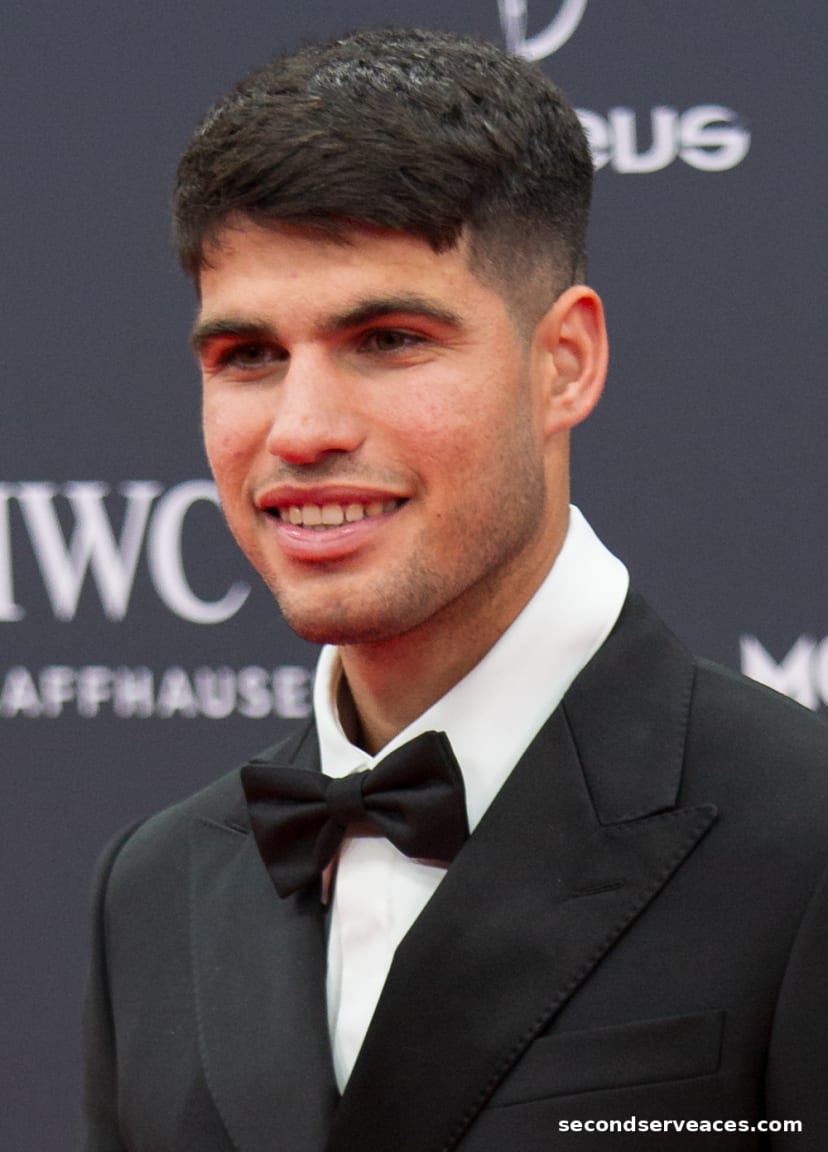
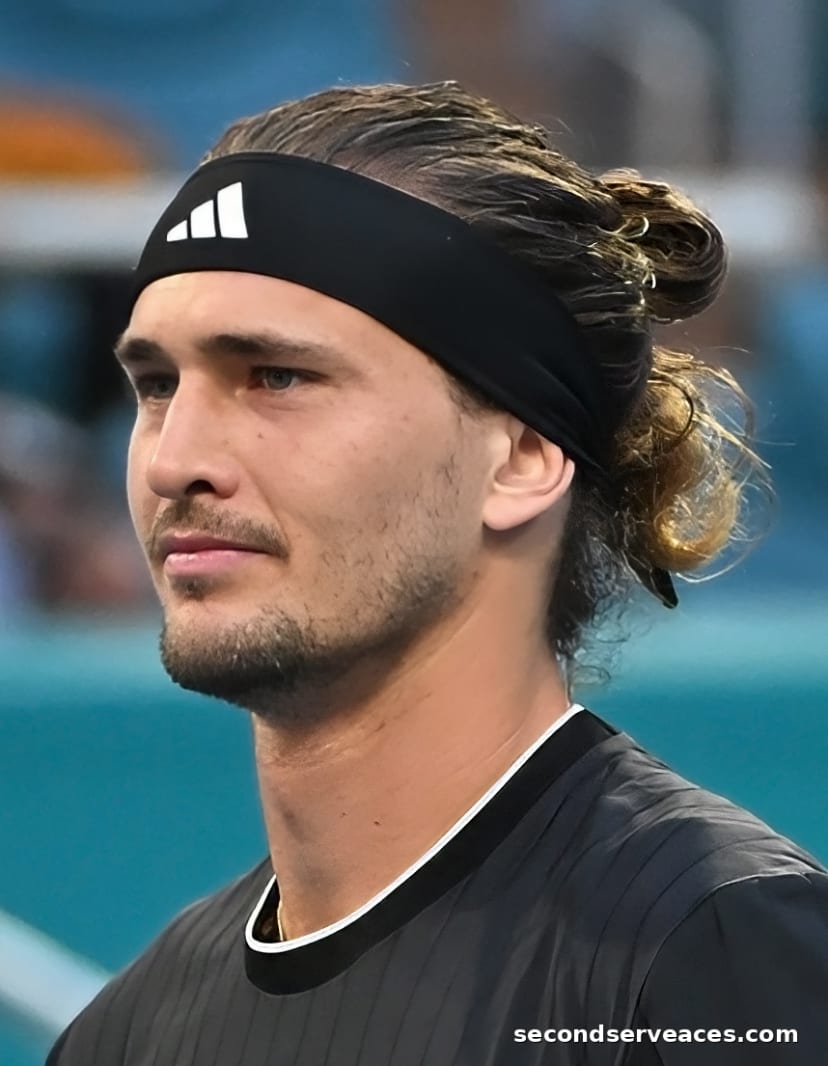
Listen, if you love the raw mechanics of tennis, the California desert is the only place you should be looking right now. Daniil Medvedev and Jannik Sinner are officially scheduled to play against each other in the Indian Wells Open final, and folks, we are staring down the barrel of a modern classic. When these two step onto the high-friction hard courts of Tennis Paradise, it’s not just a match—it’s a high-speed geometry lesson.
Listen to the Second Serve Podcast
Get our daily AI-synthesized audio briefings and match reviews on the go.
This upcoming championship match will mark the 16th meeting between Medvedev and Sinner, officially cementing this as one of the most defining and tactically dense rivalries on the ATP Tour today. And there’s historical weight to this desert duel, too. The matchup between these two players in this final matches a rare feat at Indian Wells that has not occurred in a decade. We are witnessing the kind of consistent, heavyweight clash that defines eras.
The Tactical Breakdown
When you look at the tape of these two, you realize immediately that you’re looking at fundamentally opposed philosophies of how to win a tennis match. Medvedev is the ultimate disruptor, a master of deep-court absorption. Sinner is the archetype of modern, baseline-hugging aggression. The player who dictates the physical real estate of the court will dictate the match momentum.
The Geometry of the Return
Let's talk about court positioning, because that’s where Medvedev makes his money. The Russian notoriously parks himself nearly in the front row of the stands to return serve. By giving himself that extra 15 to 20 feet of runway behind the baseline, he buys time. He takes the opponent's pace, absorbs it, and sends back a flat, skidding ball that neutralizes the server's immediate advantage.
But Sinner has spent the last year entirely recalibrating how he deals with that deep return. Here is what you should watch for when Sinner steps up to serve:
- Serve Placement Patterns: Sinner can’t just hit through Medvedev; he has to stretch him. Look for Sinner to exploit the wide boxes, forcing Medvedev to cover an absurd amount of lateral territory before even initiating the rally.
- The Serve-Plus-One: When Medvedev loops that deep return back, Sinner’s first step must be forward. If he lets the ball drop, Medvedev resets the point. Sinner will look to take that ball on the rise, using heavy topspin to yank Medvedev right off the television screen.
- Net Approach Frequency: If Medvedev stays back, Sinner has to invite him in—or take the net himself. Drop shots and crisp volley put-aways will be crucial when Medvedev leaves the front half of the court abandoned.
Rally Tolerance vs. Early Strike
Once the ball is in play, the baseline dynamic is a fascinating tug-of-war. Sinner’s game is built around robbing his opponent of time. He hits a brutally heavy ball, standing right on the baseline, effectively cutting off the angles. When Sinner generates an angle crosscourt, he’s forcing Medvedev into a defensive sprint.
However, Medvedev’s rally tolerance is legendary. He doesn’t mind a 25-shot rally; in fact, he thrives on it. He hits with very little spin, producing a uniquely flat ball that stays low, especially on these gritty Indian Wells courts. Sinner will have to dig those low balls out, which takes a massive toll on the legs. If Sinner starts rushing and pulling the trigger too early out of frustration, Medvedev will feast. Sinner’s ability to remain patient until he manufactures a clean look will be the key to converting any break point opportunities.
The Bigger Picture
This 16th meeting is more than just another tally on their head-to-head record; it’s a testament to their mutual evolution. For years, Medvedev held a distinct psychological and tactical edge over Sinner, suffocating the young Italian’s aggression with his impossible retrieving. But recently, Sinner has turned the tables, proving that a refined offensive game can indeed puncture the ultimate defensive shield.
Indian Wells is a unique beast. The hard courts are incredibly gritty, which makes the ball bounce high and slows down the pace through the air. Historically, this surface favors players who can either generate massive topspin to push opponents back, or those who have the lungs and legs to grind out marathon points. Sinner brings the former; Medvedev brings the latter.
For the ATP Tour, this rivalry is a gift. As we look at the landscape of men's tennis, Sinner and Medvedev are repeatedly finding themselves at the business end of the biggest tournaments in the world. Matching a tournament feat not seen in a decade proves that these aren't just flash-in-the-pan runs; this is sustained, elite excellence. Whoever manages to assert their tactical will in the California desert won't just lift the trophy—they will send a reverberating message to the rest of the locker room for the remainder of the season.
Get your popcorn ready. The geometry of this matchup is about to be spectacular.
What Jannik Sinner Plays With
Head Speed MP 2024
Head Hawk Touch 1.25
Nike GP Challenge 1
Analyze Jannik Sinner vs. Daniil Medvedev
Predict tactical adjustments, momentum swings, and serve strategy options for this match-up using our AI simulator.
The Aces Tactical Panel
This report was curated and edited by Bhaskar Goel. Tactical analysis and technical insights were provided by our specialized panel of expert correspondents.
Julian Price
Senior Tactical Correspondent
Stuffy, pedantic British academic and historian specializing in match momentum and historical context.
Elena Cruz
Director of Analytical Research
Data scientist specializing in court surface physics and movement patterns.
Bhaskar
The Editor & Fan
Passionate tennis player and site editor bringing everyday amateur insights and relatable fan commentary.
Arthur Vance
Senior Existential Analyst
Deep, eccentric, and DFW-inspired. Models court metaphysics, kinetic beauty, and player psychology.
Leo Sterling
High-Performance Consultant
Hard-nosed ex-trainer from Melbourne with a no-nonsense view on tour fitness.