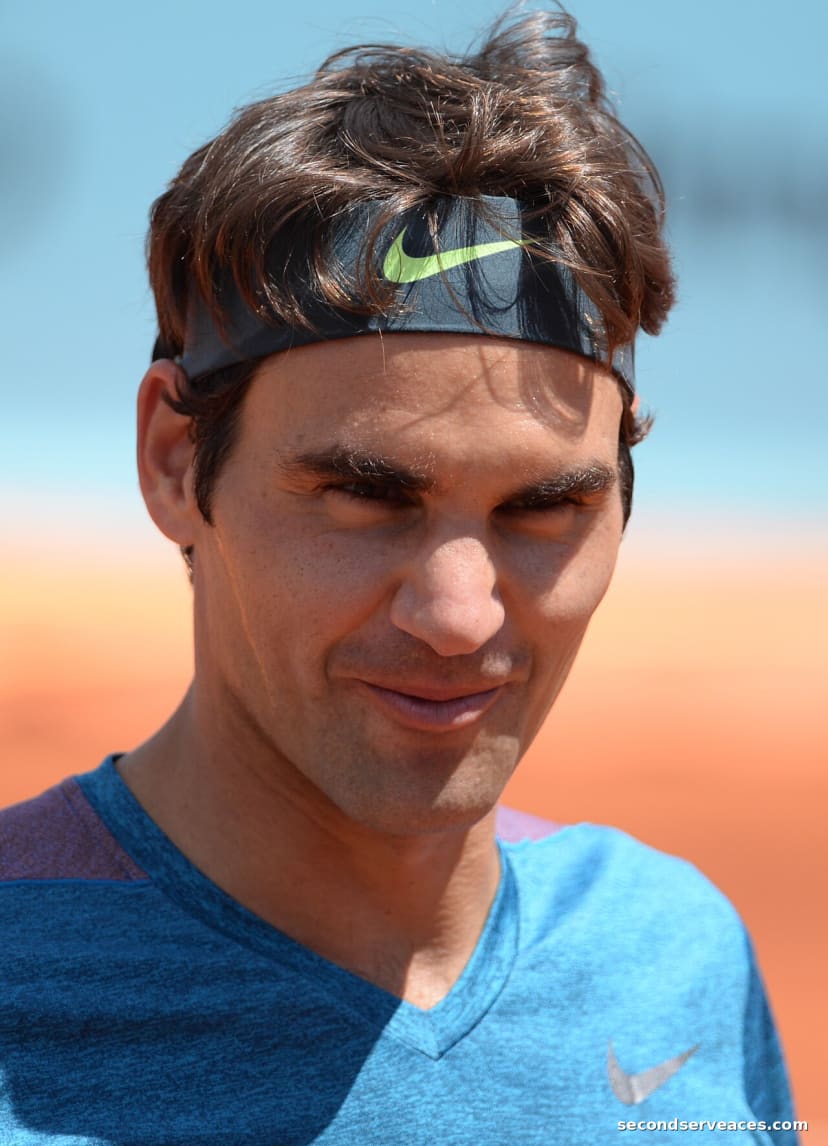
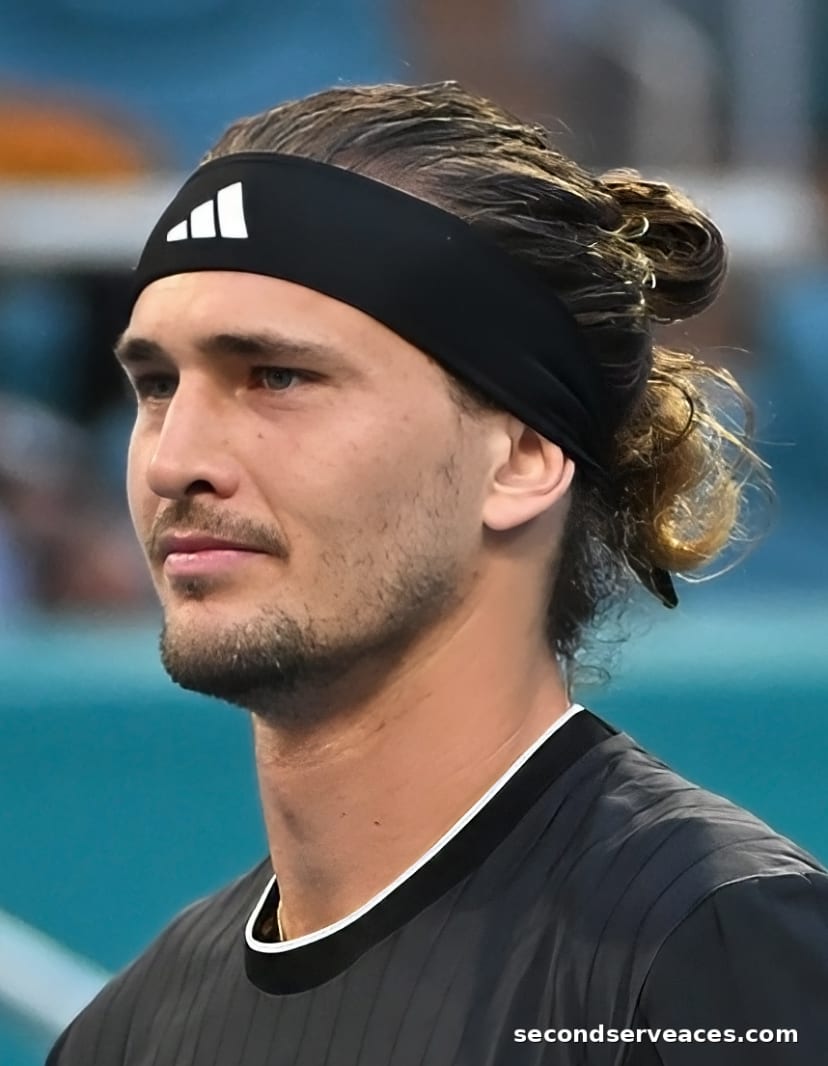
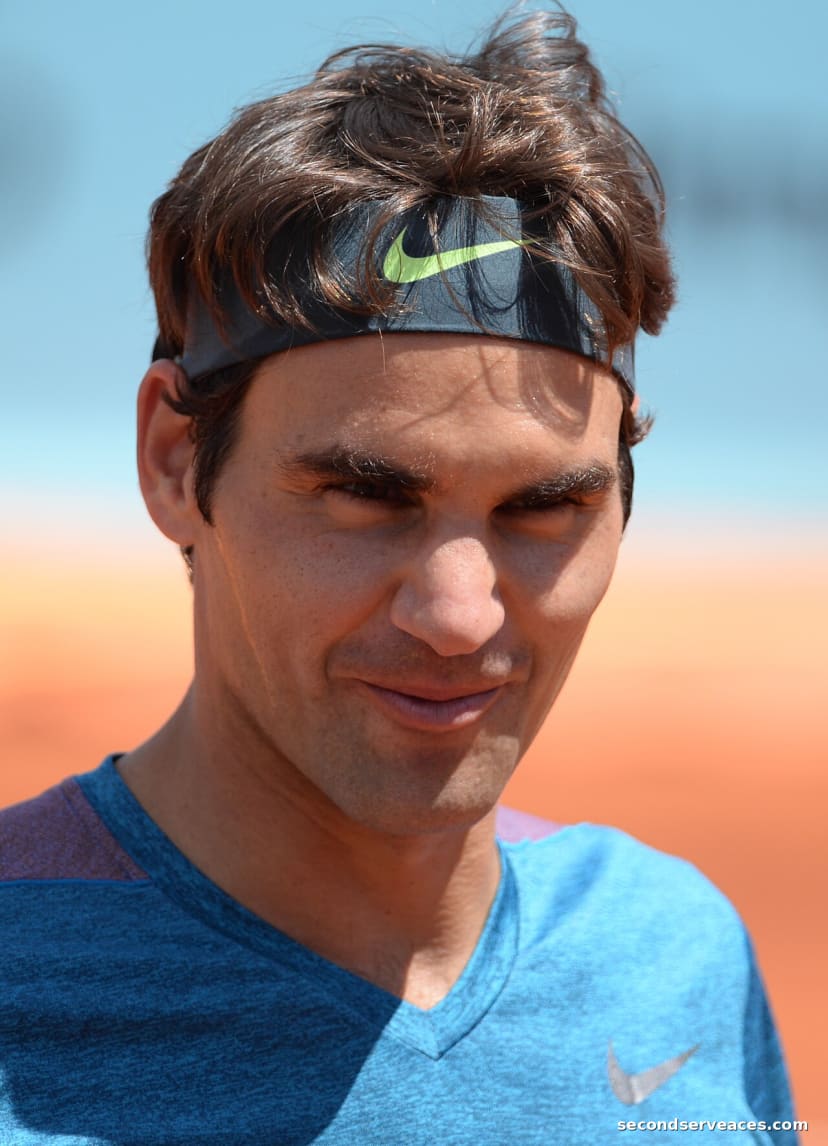
The air in South Florida is thick, but Jannik Sinner is currently slicing through it with surgical precision. By dispatching American Alex Michelsen to reach the quarterfinals of the Miami Open, the Italian didn’t just advance in the draw—he quietly rewrote a massive piece of ATP history.
Listen to the Second Serve Podcast
Get our daily AI-synthesized audio briefings and match reviews on the go.
Sinner’s victory over Michelsen extends a ruthless run of form on the hard courts. While the crowd often focuses on the sheer velocity of his groundstrokes, the underlying metrics reveal a level of sustained excellence that is historically significant.
By the Numbers: A Statistical Milestone
Surpassing a benchmark set by a Big Three member is no small feat. With his latest victory, Sinner has officially moved past Roger Federer in a critical career metric. Here are the concrete numbers from his current tear through the Masters 1000 circuit:
- New Career Win Percentage: Sinner’s ATP Masters 1000 winning percentage now sits at an extraordinary .7803.
- Passing a Legend: That figure edges him just ahead of Roger Federer, who retired with a .7791 winning percentage at the Masters 1000 level.
- The Untouchable Streak: Sinner has now won 28 consecutive sets at ATP Masters events under the current format, a testament to his sheer point-by-point focus.
- The Final Bosses: Only two men remain ahead of Sinner in this specific statistical category: Rafael Nadal holds the all-time lead at .8200, followed closely by Novak Djokovic at .8140.
The Tactical Breakdown
Facing a rangy, unorthodox opponent like Alex Michelsen requires distinct tactical discipline. Michelsen operates with flat, penetrating groundstrokes and an aggressive transition game that can rush baseline defenders. Sinner neutralized this threat not through sheer power, but through impeccable court geometry and aggressive positioning.
Sinner consistently hugs the baseline, refusing to yield the middle third of the court. By taking the ball exceptionally early on the rise, he robs his opponents of recovery time. When Michelsen attempted to use his backhand down the line to shift the match momentum, Sinner countered by injecting heavy topspin into his cross-court forehand, pinning the American deep in the ad-court corner.
This early ball-striking allows Sinner to dictate the terms of engagement. He effectively shrinks the court for his opponent while expanding his own offensive angles. Furthermore, Sinner's serve placement under pressure—specifically targeting the body to cramp Michelsen's return swings—ensured he maintained control of the rally tolerance during crucial break point opportunities. He simply never allowed Michelsen the oxygen to set his feet and construct a comfortable point.
The Bigger Picture
Eclipsing Federer’s Masters 1000 win percentage highlights a fundamental shift in Sinner’s career trajectory. Earlier in his development, Sinner was viewed as a high-ceiling talent who could occasionally be rushed or overpowered by seasoned veterans. Today, he possesses a foundational base level that rarely drops, allowing him to navigate the early rounds of major events with almost robotic efficiency.
The landscape of the Miami Open draw also shifted dramatically just days prior. Carlos Alcaraz was unexpectedly eliminated in the third round, removing Sinner's primary generational rival from the equation. With Alcaraz out of the picture, the path to the title has cleared significantly, though Sinner's immediate focus remains locked on his own execution.
Looking at the historical context, reaching a .7803 win percentage places Sinner in rarefied air. Chasing down the .8200 and .8140 marks set by Nadal and Djokovic will require years of sustained brilliance. However, logging 28 consecutive sets won at the Masters tier indicates that Sinner has figured out the precise formula to mitigate early-round upsets. His linear power translates perfectly to the Miami hard courts, rewarding his aggressive, first-strike tennis and keeping his legs fresh for the deeper stages of the tournament.
What Jannik Sinner Plays With
Head Speed MP 2024
Head Hawk Touch 1.25
Head Prime Tour (12-Pack)
Nike GP Challenge 1
Analyze Jannik Sinner vs. Roger Federer
Predict tactical adjustments, momentum swings, and serve strategy options for this match-up using our AI simulator.
The Aces Tactical Panel
This report was curated and edited by Bhaskar Goel. Tactical analysis and technical insights were provided by our specialized panel of expert correspondents.
Julian Price
Senior Tactical Correspondent
Stuffy, pedantic British academic and historian specializing in match momentum and historical context.
Elena Cruz
Director of Analytical Research
Data scientist specializing in court surface physics and movement patterns.
Bhaskar
The Editor & Fan
Passionate tennis player and site editor bringing everyday amateur insights and relatable fan commentary.
Arthur Vance
Senior Existential Analyst
Deep, eccentric, and DFW-inspired. Models court metaphysics, kinetic beauty, and player psychology.
Leo Sterling
High-Performance Consultant
Hard-nosed ex-trainer from Melbourne with a no-nonsense view on tour fitness.