A Culinary Detour on the Road to Paris
In the high-pressure environment of the ATP Tour, most players are consumed by the geometry of the baseline. For Jannik Sinner, however, the mental release often comes from the kitchen. The young Italian recently shared that had the professional tennis circuit not claimed his focus, he would likely be working as a cook alongside his father. While the ATP Tour is currently the beneficiary of his topspin-heavy game, one wonders if the same precision he applies to his groundstrokes would have translated to a Michelin-star kitchen.
Listen to the Second Serve Podcast
Get our daily AI-synthesized audio briefings and match reviews on the go.
The Tactical Breakdown
The transition to clay at the Monte-Carlo Masters demands a specific shift in rally tolerance. On this surface, the court geometry narrows; players must contend with higher bounce and slower ball velocity off the surface. Sinner’s game, characterized by immense power off both wings and an increasingly reliable serve, is designed to dictate from the center of the baseline. To secure the No. 1 ranking, he will need to execute the following tactical priorities:
- Serve Placement Patterns: Sinner must utilize the kick serve wide to the ad-court to open the alley, creating space to dictate with his inside-out forehand.
- Rally Geometry: On clay, the ability to slide into a defensive stance while maintaining core stability allows players like Sinner to turn defense into offense. He must prioritize high-margin targets over flat, risky winners.
- Net Approach Frequency: With the draw featuring players like Moise Kouame, Sinner will need to use short-angle cross-court shots to pull opponents out of position before closing at the net.
The Bigger Picture
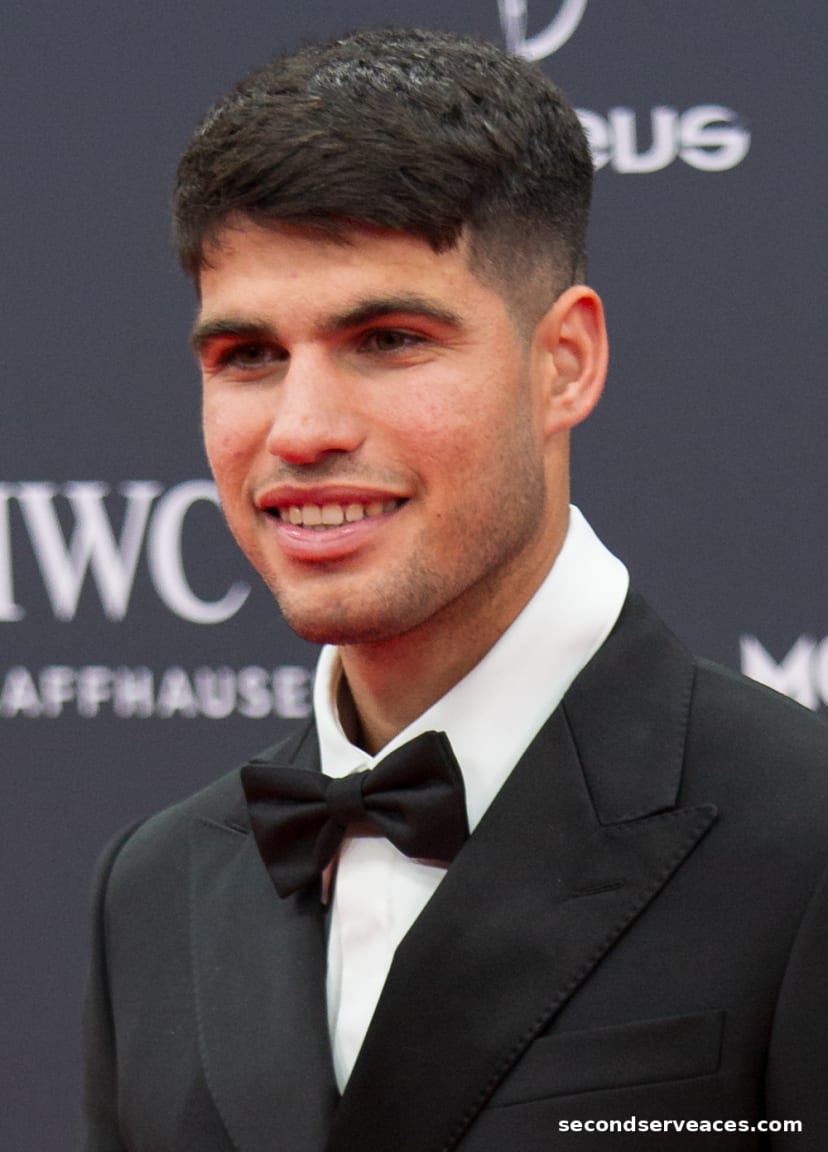
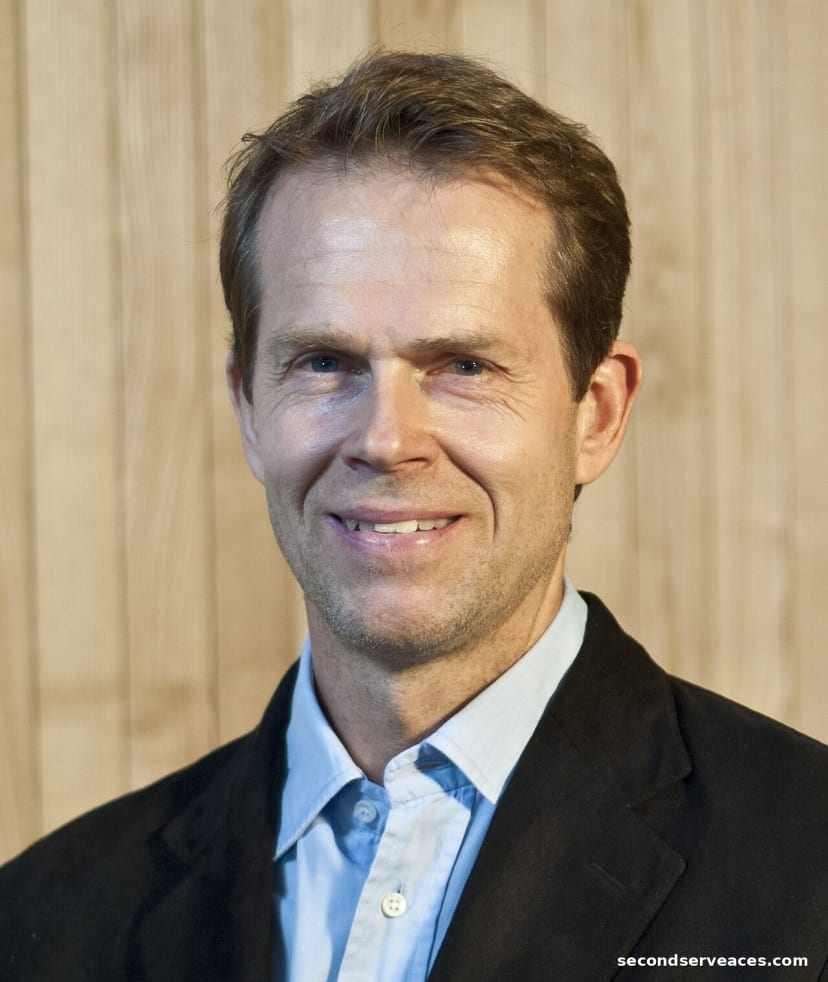
The Monte-Carlo draw provides a narrative-heavy opening week. Carlos Alcaraz faces an intriguing test against the veteran Stan Wawrinka, who is expected to make his final appearance at this historic event. This clash of generations highlights the evolving nature of the tour, where legacy players like Wawrinka provide the ultimate test for the new guard. Sinner’s own path is clear: win the tournament, and the world No. 1 ranking is within his grasp. This is not merely about points; it is about his trajectory in a season that continues to see a volatile shift at the top of the rankings, with names like Stefanos Tsitsipas, Casper Ruud, and Frances Tiafoe hovering as significant obstacles.
Looking Ahead
As the field gathers in the Principality, the court speed will be the primary variable. With players like Alexander Bublik capable of disrupting rhythm through unpredictability, the top seeds will need to remain disciplined. For Sinner, the transition from his off-court interests back to the brutal tactical requirements of clay will be the defining theme of his week.
What Jannik Sinner Plays With
Head Speed MP 2024
Head Hawk Touch 1.25
Nike GP Challenge 1
Analyze Jannik Sinner vs. Moise Kouame
Predict tactical adjustments, momentum swings, and serve strategy options for this match-up using our AI simulator.
The Aces Tactical Panel
This report was curated and edited by Bhaskar Goel. Tactical analysis and technical insights were provided by our specialized panel of expert correspondents.
Julian Price
Senior Tactical Correspondent
Stuffy, pedantic British academic and historian specializing in match momentum and historical context.
Elena Cruz
Director of Analytical Research
Data scientist specializing in court surface physics and movement patterns.
Bhaskar
The Editor & Fan
Passionate tennis player and site editor bringing everyday amateur insights and relatable fan commentary.
Arthur Vance
Senior Existential Analyst
Deep, eccentric, and DFW-inspired. Models court metaphysics, kinetic beauty, and player psychology.
Leo Sterling
High-Performance Consultant
Hard-nosed ex-trainer from Melbourne with a no-nonsense view on tour fitness.