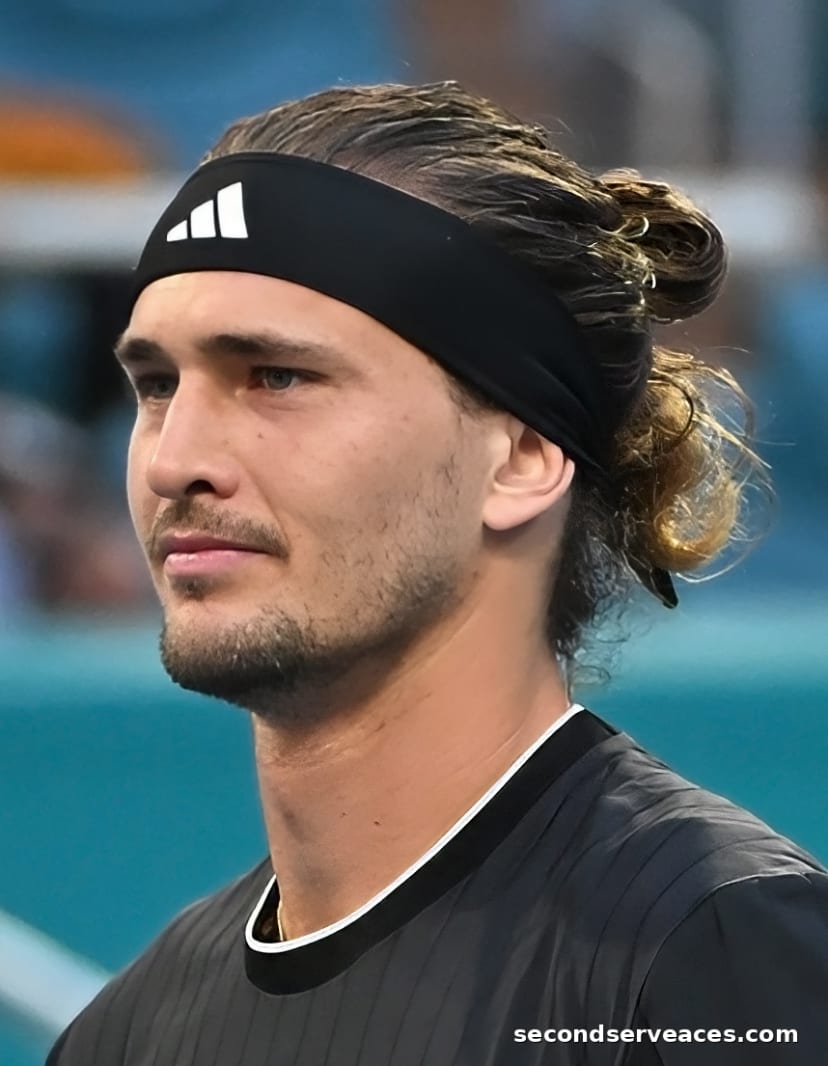
Elena Cruz here, and let’s get right down to the brass tacks of modern baseline warfare. There is a distinct, concussive sound when Jannik Sinner strikes a tennis ball—a heavy, resounding thud that echoes through the Coachella Valley. That weight of shot has propelled the Italian phenomenon into his first-ever BNP Paribas Open final, successfully dispatching Alexander Zverev in a gritty, high-octane showdown in the desert.
Listen to the Second Serve Podcast
Get our daily AI-synthesized audio briefings and match reviews on the go.
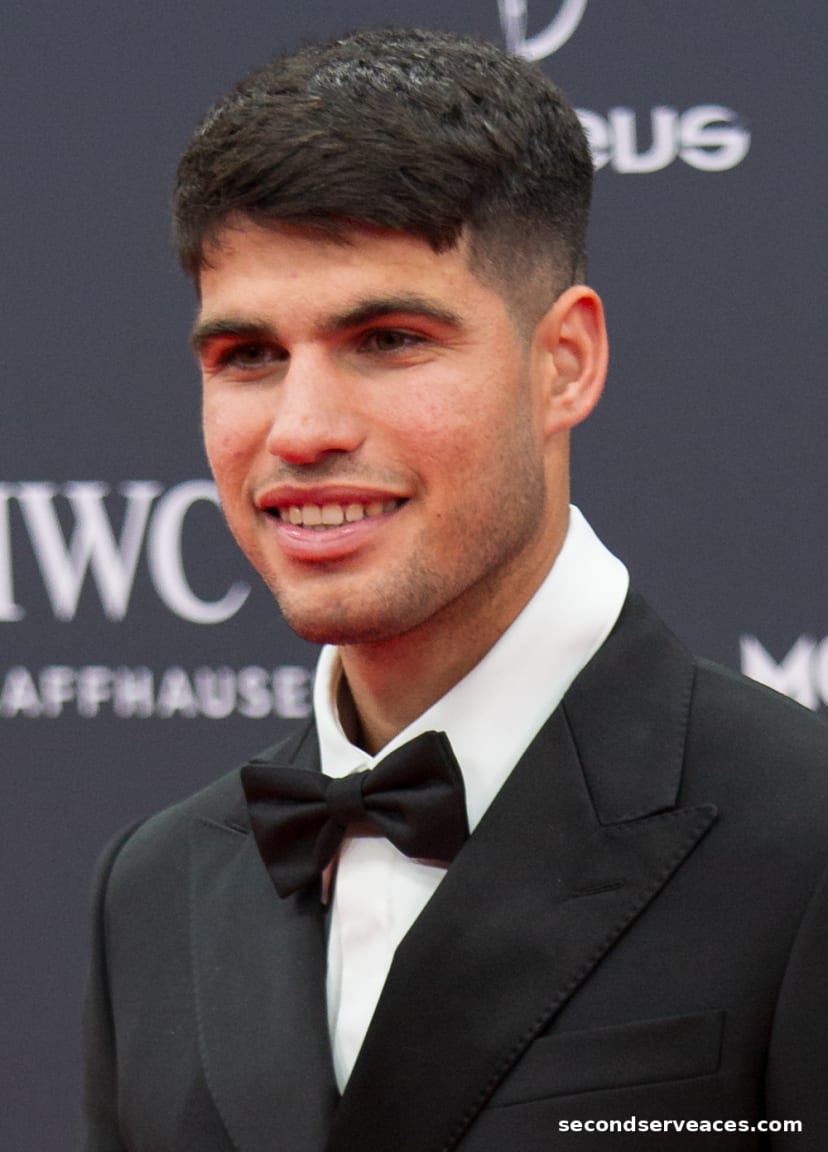
To win at Indian Wells, a player must master the unique conditions. The air is dry and flying, but the court surface itself is notoriously gritty, grabbing the ball and demanding extraordinary leg strength and patience. Sinner proved he possesses both in spades against Zverev, cementing his place in Sunday's championship match where he will face either the electrifying Carlos Alcaraz or the unrelenting human backboard, Daniil Medvedev.
The Tactical Breakdown
When you look at the matchup between Jannik Sinner and Alexander Zverev, it is essentially a clash of court positioning and spatial philosophy. Zverev is a player who inherently craves time. He is comfortable dropping deep behind the baseline, letting the ball drop into his strike zone, and relying on his world-class, two-handed backhand to dictate terms. Sinner, on the other hand, is a tactical suffocator.
Against Zverev, Sinner’s primary objective was clear: shrink the court. By hugging the baseline and taking the ball exceptionally early, Sinner effectively stole milliseconds away from the German. On a surface that typically slows the game down, Sinner’s ability to inject pace flat and fast through the court nullifies the defensive advantages of the gritty hard courts.
We have to talk about rally tolerance. Zverev is perfectly content to grind out 20-shot rallies, trusting his fitness and heavy topspin to draw an error. However, Sinner’s capacity to seamlessly change directions—specifically his willingness to pull the trigger down the line off the backhand wing—disrupted Zverev’s crosscourt rhythm. By targeting Zverev’s forehand (historically the leakier of the German's two wings) when stretched out wide, Sinner was able to seize control of the match momentum.
The Geometry of Sinner's Baseline Game
- Serve Placement Patterns: Sinner's reliance on the wide slice serve on the deuce court pulled Zverev out of the tramlines, opening up the entire court for a simple plus-one forehand into the open space.
- Net Approach Frequency: While predominantly a baseliner, Sinner recognized that allowing Zverev to float defensive slices back was a trap. The Italian selectively moved forward to finish points at the net, denying Zverev the chance to reset the rally.
- High-Stakes Aggression: Rather than playing passive tennis during critical games, Sinner maintained his aggressive return positioning, applying constant scoreboard pressure and creating anxiety for the server on every potential break point.
The Bigger Picture
Reaching the final of the BNP Paribas Open is a massive milestone in Jannik Sinner’s career trajectory. Often dubbed the "fifth Grand Slam," Indian Wells is the ultimate litmus test for a player's all-around hard-court game. You cannot simply hit through opponents here; you must construct points with intelligence, patience, and impeccable stamina.
For Sinner, taking out a seasoned top-tier opponent like Zverev on this specific surface is a resounding statement to the rest of the ATP Tour. It proves that his ball-striking is not just reliant on the slick indoor courts of Europe, but is fully adaptable to the high-bouncing, slow-playing grit of outdoor American hard courts.
Looking ahead to Sunday, the tactical landscape shifts dramatically depending on who emerges from the other half of the draw. If Carlos Alcaraz is the opponent, we are in for the next chapter of tennis’s most thrilling young rivalry. Alcaraz brings chaos, drop shots, and wild athleticism, requiring Sinner to play with disciplined, linear aggression. If Daniil Medvedev advances, the final becomes a cerebral chess match. Medvedev will stand closer to the California desert mountains than the baseline to return Sinner’s serve, daring the Italian to hit through his impenetrable defenses.
Whoever stands across the net on Sunday, one thing is abundantly clear: Jannik Sinner has evolved from a raw, powerful ball-striker into a complete, tactical mastermind capable of solving any puzzle the ATP Tour throws his way. The desert has found a new sheriff, and he’s ready for the shootout.
What Jannik Sinner Plays With
Head Speed MP 2024
Head Hawk Touch 1.25
Nike GP Challenge 1
Analyze Jannik Sinner vs. Alexander Zverev
Predict tactical adjustments, momentum swings, and serve strategy options for this match-up using our AI simulator.
The Aces Tactical Panel
This report was curated and edited by Bhaskar Goel. Tactical analysis and technical insights were provided by our specialized panel of expert correspondents.
Julian Price
Senior Tactical Correspondent
Stuffy, pedantic British academic and historian specializing in match momentum and historical context.
Elena Cruz
Director of Analytical Research
Data scientist specializing in court surface physics and movement patterns.
Bhaskar
The Editor & Fan
Passionate tennis player and site editor bringing everyday amateur insights and relatable fan commentary.
Arthur Vance
Senior Existential Analyst
Deep, eccentric, and DFW-inspired. Models court metaphysics, kinetic beauty, and player psychology.
Leo Sterling
High-Performance Consultant
Hard-nosed ex-trainer from Melbourne with a no-nonsense view on tour fitness.