The Withdrawal
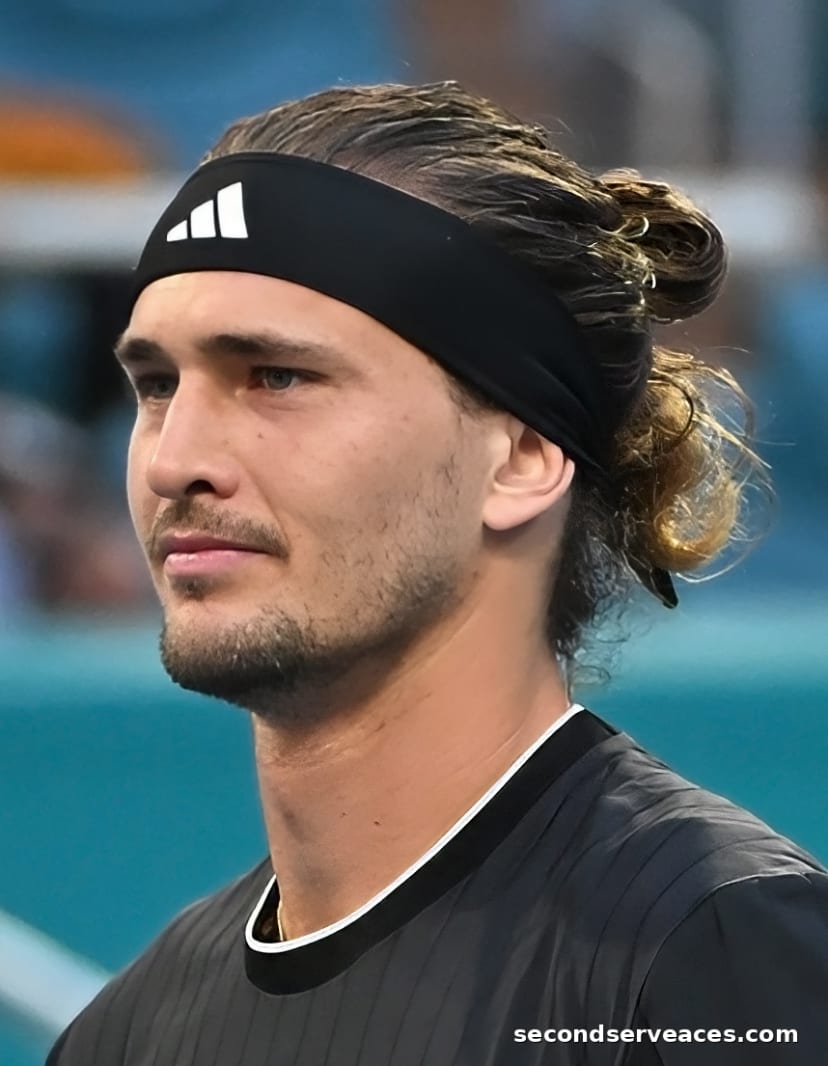
In the high-stakes ecosystem of the ATP Tour, the physical chassis of an athlete is both a miraculous machine and a temperamental liability. News arrived today that Jack Draper, currently holding a world ranking of 25, has opted to withdraw from the Monte Carlo Masters. This decision is not merely a loss of a name on the draw; it is a recalibration. Following a debilitating six-month hiatus previously necessitated by a bruised bone in his left serving arm, the Briton is prioritizing longevity over the immediate allure of the clay courts in the Principality.
Listen to the Second Serve Podcast
Get our daily AI-synthesized audio briefings and match reviews on the go.
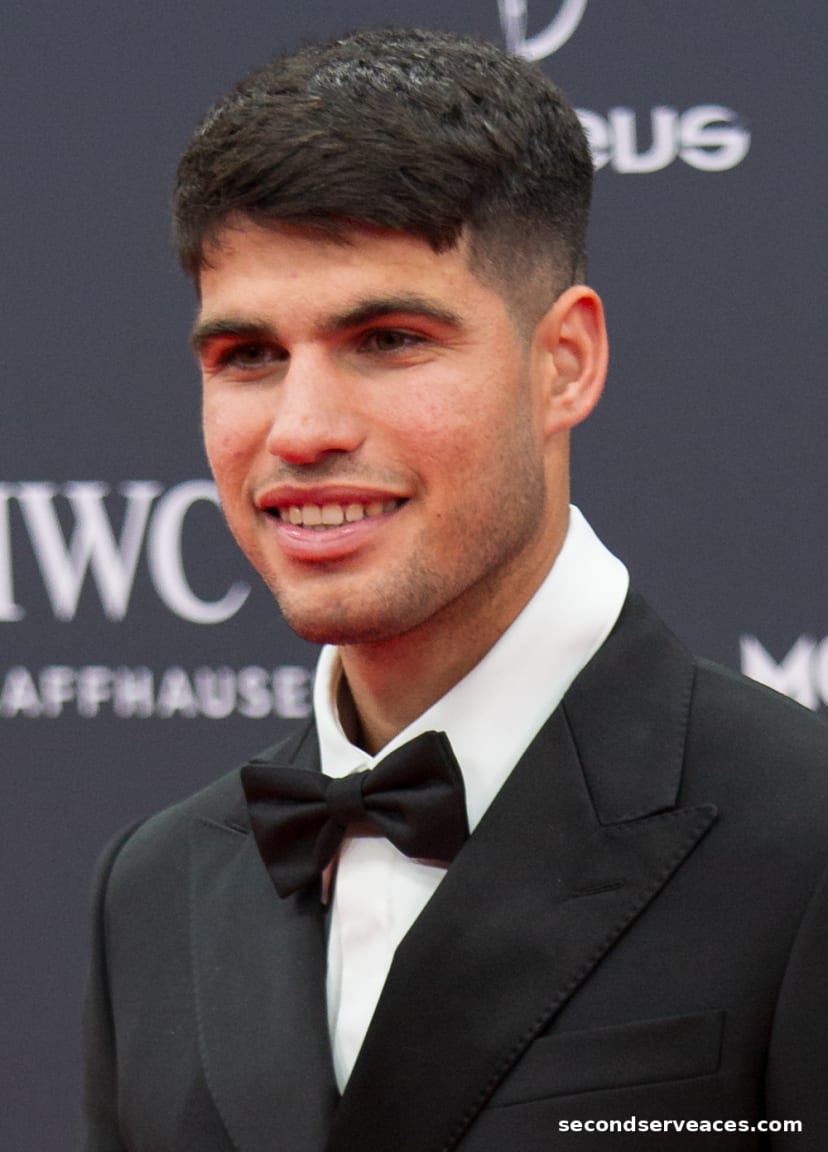
Draper joins a growing list of significant absences in Monte Carlo, including Novak Djokovic and Taylor Fritz. This creates a curious vacuum at the top of the bracket, shifting the gravity of the event as players like Jannik Sinner and Carlos Alcaraz adjust their sights on the red dirt.
The Tactical Breakdown
At the professional level, the serve is not merely an initiation of play; it is the fulcrum upon which the entire point geometry tilts. For a left-hander like Draper, the serve—specifically the wide slice out to the deuce court—is a tactical anchor that opens the geometry of the court. A bruised bone in the left arm is not just a localized injury; it is a disruption of the kinetic chain that makes his heavy, whip-like delivery possible.
When an athlete suffers a bone-related injury, the impact on rally tolerance is profound. Without the ability to accelerate the racquet head through the contact point with full confidence, a player’s court positioning inevitably regresses. They are forced to rely on more conservative patterns, which on clay, is often a death sentence. Given that modern tennis demands exceptional durability to navigate the high-friction surface of clay, Draper’s choice to skip Monte Carlo in favor of a return at the Barcelona Open in a fortnight is a strategic pivot. It is an acknowledgment that peak output requires a fully integrated physical system.
The Bigger Picture
The current landscape of men's tennis is a fascinating experiment in physical management. With stalwarts like Djokovic opting for strategic rest, the door is left ajar for the younger guard—such as the burgeoning rivalry between Alcaraz and Sinner—to define the narrative of the clay court season. For Draper, the path forward is singular: consistency. The tour is a relentless churn, and having already lost six months to the same injury profile, his focus must remain on the long-term arc of his career rather than the immediate gratification of a single tournament participation.
His target of returning for Barcelona is a calculated gamble on recovery time, aiming to regain his footing before the summer swing intensifies. In a sport where the margins between 25th in the world and the elite echelon are often measured in millimetres of contact, these preventative measures are the quiet, essential labor of any career that hopes to endure the grueling test of the tour.
What Novak Djokovic Plays With
Head Speed Pro
Luxilon ALU Power 125
Asics Court FF 3 Novak
Analyze Jack Draper vs. Novak Djokovic
Predict tactical adjustments, momentum swings, and serve strategy options for this match-up using our AI simulator.
The Aces Tactical Panel
This report was curated and edited by Bhaskar Goel. Tactical analysis and technical insights were provided by our specialized panel of expert correspondents.
Julian Price
Senior Tactical Correspondent
Stuffy, pedantic British academic and historian specializing in match momentum and historical context.
Elena Cruz
Director of Analytical Research
Data scientist specializing in court surface physics and movement patterns.
Bhaskar
The Editor & Fan
Passionate tennis player and site editor bringing everyday amateur insights and relatable fan commentary.
Arthur Vance
Senior Existential Analyst
Deep, eccentric, and DFW-inspired. Models court metaphysics, kinetic beauty, and player psychology.
Leo Sterling
High-Performance Consultant
Hard-nosed ex-trainer from Melbourne with a no-nonsense view on tour fitness.