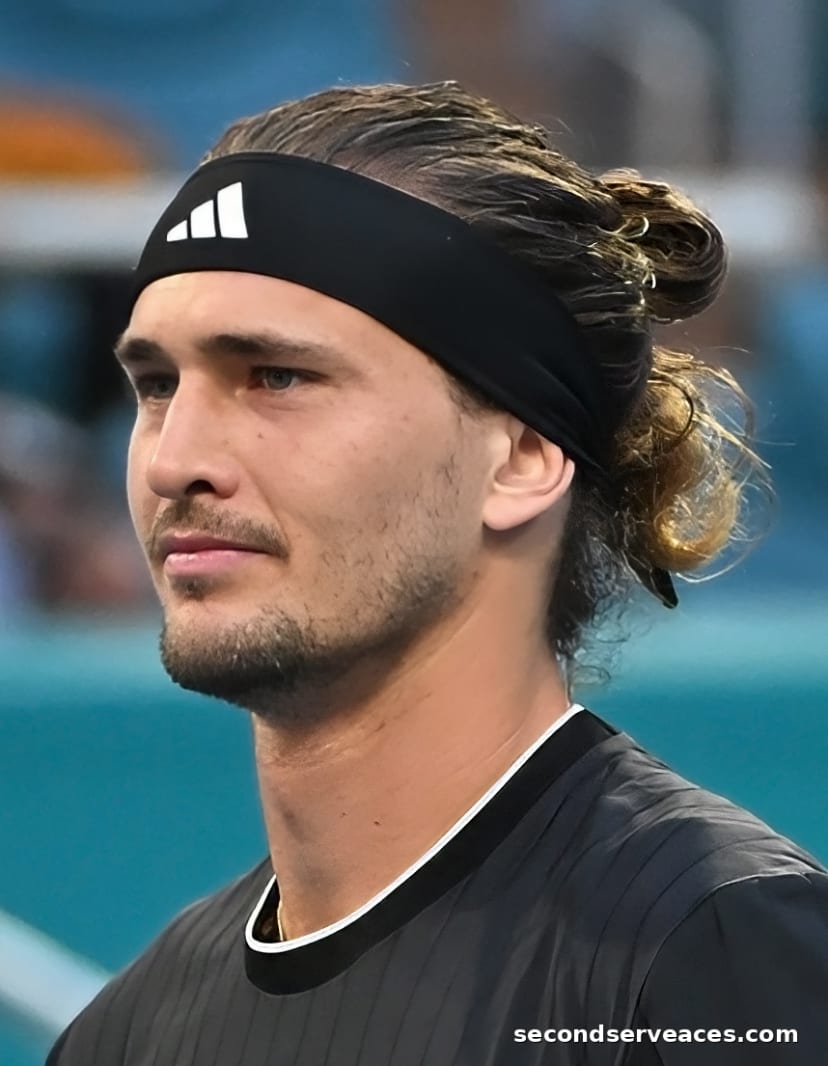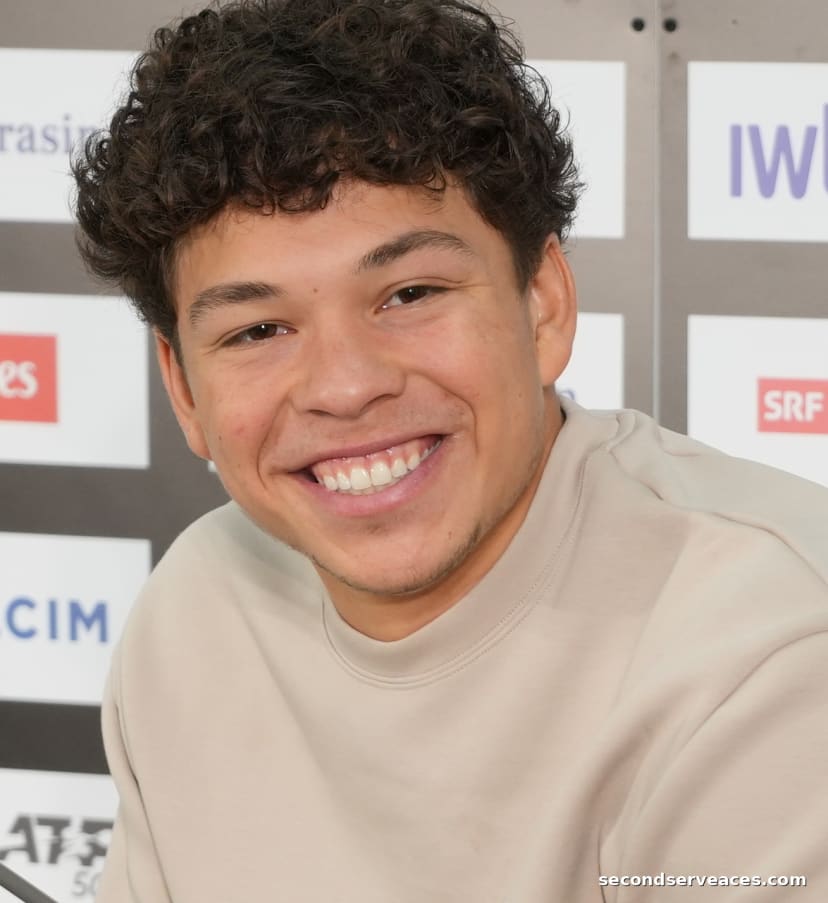
Let’s get one thing straight immediately. Nobody walks onto the slow, gritty hard courts of the California desert expecting an easy day at the office, let alone when they are staring down the greatest returner the game has ever seen. Yet, we just witnessed a genuinely remarkable result. Jack Draper secured an impressive victory over Novak Djokovic at the Indian Wells tournament. You have to ask yourself: how does a guy pull off this kind of upset when he isn't even at 100 percent? The young Brit didn't mince words after the handshake, explicitly stating that his body is still adjusting to the brutal rigors of tour competition following a long-term injury. That kind of raw honesty is rare, and backing it up with a win of this magnitude is even rarer.
Listen to the Second Serve Podcast
Get our daily AI-synthesized audio briefings and match reviews on the go.
The Grueling Realities of the Desert
To fully grasp the weight of this triumph, you have to look at the physical toll modern tennis exacts on its athletes. We talk constantly about the heavy balls and the abrasive courts tearing up players' joints. Combine that with inconsistent shot-clock enforcement that drives me absolutely up the wall, and the environment is entirely hostile to a recovering player. For Draper to step into this pressure cooker and outlast a machine like Djokovic speaks volumes about his underlying engine. The kid is still finding his sea legs, so to speak, yet he managed to dictate the terms of engagement.
The Tactical Breakdown
Now, let's look at the X's and O's, because you do not beat the Serbian wall by accident. Against a tactician of Djokovic's caliber, passive baseline rallying is practically a death sentence. Draper’s game relies on explosive baseline power and seizing the initiative early in the rally. Historically, players who disrupt Djokovic's rhythm with heavy, unreadable lefty serves and aggressive first-strike tennis find the most success.
When you analyze the court geometry, Draper's left-handedness is an absolute weapon on the ad side. Sliding that serve out wide drags the opponent into the doubles alley, opening up the entire court for a devastating topspin forehand on the plus-one shot.
Djokovic has historically struggled, relatively speaking, against lefties who possess immense firepower. The spin rotation kicks up high onto his backhand, forcing him to either step inside the baseline and take it on the rise, or retreat and give up valuable real estate. Here is how you tactically dismantle a legendary defense while managing your own physical limitations:
- Lefty Serve Placement: Consistently hitting the wide angle on crucial points to stretch the returner and force weak replies.
- Aggressive Court Positioning: Hugging the baseline to take time away, preventing the opponent from settling into comfortable baseline exchanges.
- Calculated Net Approaches: Shortening points deliberately. If your body is still adjusting to a long match, you cannot afford grueling 30-shot rallies. You have to move forward and finish points at the net.
- Managing Match Momentum: Knowing exactly when to redline your groundstrokes and when to play high-percentage tennis, especially when facing a critical break point.
It requires an incredible amount of mental discipline to stick to this aggressive blueprint when your lungs are burning and your muscles are screaming. The execution here was nothing short of brilliant, a stark contrast to players who panic and overhit the moment they feel physically compromised.
The Bigger Picture
What exactly does this mean for the rest of the ATP calendar? Beating Djokovic at a Masters 1000 event fundamentally alters the locker room aura. Opponents look at you differently. The draw opens up. But Draper's biggest opponent moving forward isn't the guy across the net; it's his own physiology.
We have seen countless talented players flash brilliant potential only to be sidelined by the grueling demands of the tour. The transition from rehabilitation to full-time match play is historically perilous. However, the fact that Draper can secure a victory of this caliber while openly admitting he is still in an adjustment phase should terrify the rest of the field. If this is what he can do at eighty percent, what happens when he fully trusts his body again?
Let’s not forget the sheer weight of the Indian Wells history. Often dubbed the 'fifth Grand Slam,' this tournament has been the proving ground for the elite. Djokovic has hoisted the trophy here multiple times, navigating the tricky desert conditions—where the air is thin but the court surface is like sandpaper, making the ball bounce tremendously high. Surviving a match here requires profound rally tolerance. Draper navigating this specific surface, against this specific opponent, while still rebuilding his physical foundation, is a massive green flag for his career trajectory.
Looking ahead, managing his schedule will be paramount. The ATP tour is unforgiving, and the transition from the slow hard courts of Indian Wells to the slicker surfaces later in the season requires a completely different muscular engagement. If his camp is smart—and they better be, for the sake of British tennis—they will prioritize strategic rest over chasing arbitrary ranking points. For now, though, Draper deserves every ounce of credit. He stepped onto one of the biggest stages in the sport, faced down an absolute titan, and walked away with the win. That is the kind of gritty, no-nonsense tennis I want to see every single week.
What Novak Djokovic Plays With
Head Speed Pro
Luxilon ALU Power 125
Asics Court FF 3 Novak
Analyze Jack Draper vs. Novak Djokovic
Predict tactical adjustments, momentum swings, and serve strategy options for this match-up using our AI simulator.
The Aces Tactical Panel
This report was curated and edited by Bhaskar Goel. Tactical analysis and technical insights were provided by our specialized panel of expert correspondents.
Julian Price
Senior Tactical Correspondent
Stuffy, pedantic British academic and historian specializing in match momentum and historical context.
Elena Cruz
Director of Analytical Research
Data scientist specializing in court surface physics and movement patterns.
Bhaskar
The Editor & Fan
Passionate tennis player and site editor bringing everyday amateur insights and relatable fan commentary.
Arthur Vance
Senior Existential Analyst
Deep, eccentric, and DFW-inspired. Models court metaphysics, kinetic beauty, and player psychology.
Leo Sterling
High-Performance Consultant
Hard-nosed ex-trainer from Melbourne with a no-nonsense view on tour fitness.