Tennis is, at its most granular level, an exercise in recalibration. For Jack Draper, the current second-ranked Briton, the transition from the sterile, high-bounce speed of hard courts to the shifting, unpredictable friction of European clay is a physical reimagining of his own game. Following a frustrating 6-7, 6-7 exit at the Miami Open against Reilly Opelka, Draper’s path to the ATP tour’s clay swing is less of a restart and more of an architectural renovation.
Listen to the Second Serve Podcast
Get our daily AI-synthesized audio briefings and match reviews on the go.
The Geometry of a New Surface
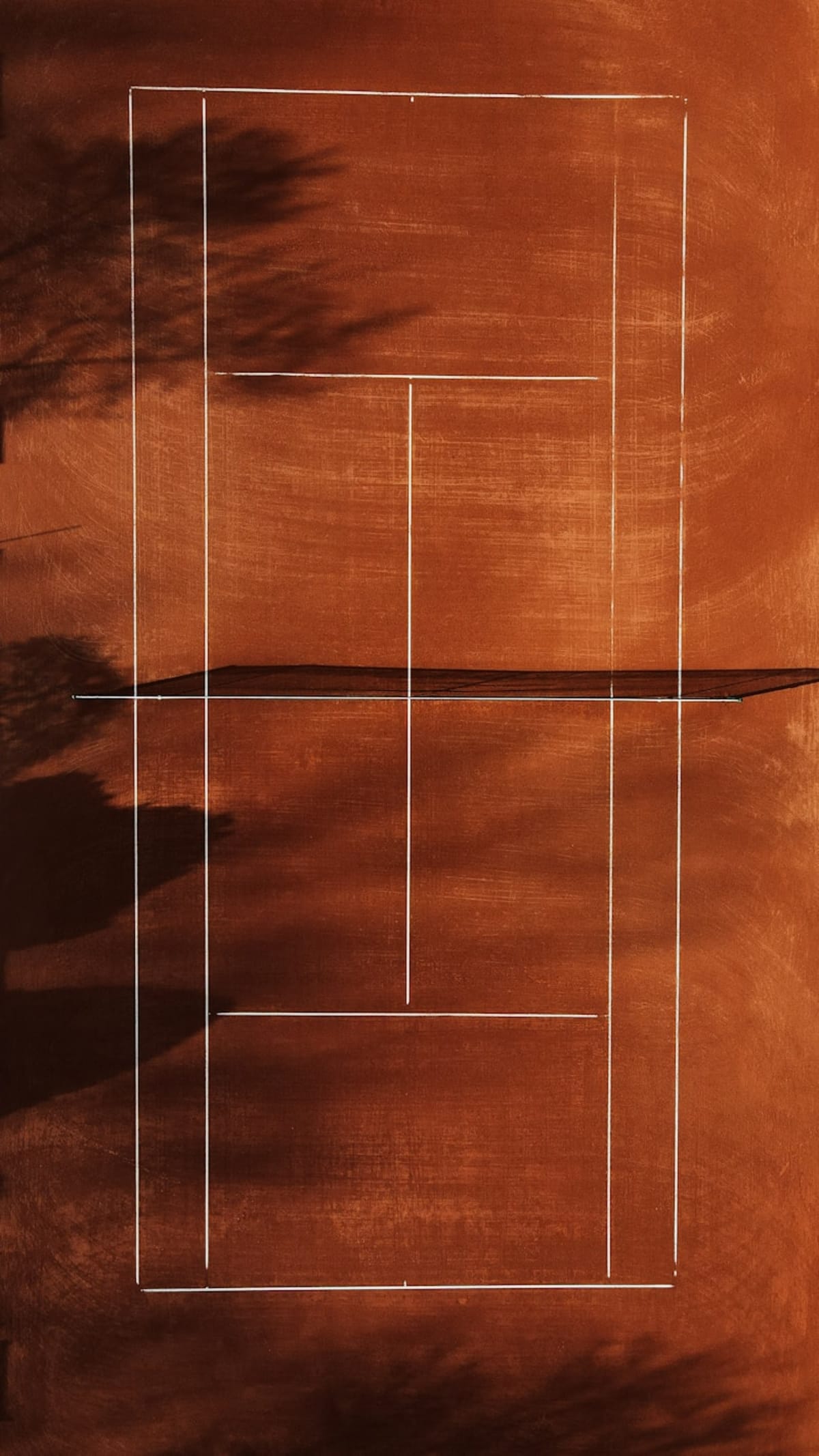
The decision to bypass the Monte Carlo Masters was a calculated silence. In the high-stakes ecosystem of the tour, rest is often as critical as repetition. By opting out of the principality, Draper has signaled an intent to sharpen his movement—the fundamental requirement for success on the dirt. On clay, the ball’s contact with the surface acts as an equalizer, demanding higher clearance over the net and a more nuanced understanding of the court's topography.
Tactical Reset Post-Miami
Draper’s recent 6-7, 6-7 defeat serves as a data point in his broader developmental arc. While the scoreline reflects a razor-thin margin, the nuances of that loss—the battle for serve dominance against a player of Opelka’s stature—highlight the areas where his transition to the clay-court environment will be most tested. The Barcelona Open now presents a different physical geometry. Here, the slide replaces the plant; the spin of the ball replaces the velocity of the stroke. Draper must now reconcile his baseline aggression with the necessity of patience that this specific surface demands, moving from the explosive power game seen in Florida to the structured, point-construction grind required for success in Catalonia.
Looking Toward the Rankings
As he arrives at this tournament, Draper’s position in the ATP rankings remains his primary North Star. Every match on the red clay is an opportunity to extract points from a surface that is historically less forgiving to those who rely on pure pace. The evolution of a player is rarely linear, but the Barcelona Open provides the ideal laboratory for Draper to prove that his game can withstand the slow, methodical erosion of the clay court.
Analyze Jack Draper vs. Reilly Opelka
Predict tactical adjustments, momentum swings, and serve strategy options for this match-up using our AI simulator.
The Aces Tactical Panel
This report was curated and edited by Bhaskar Goel. Tactical analysis and technical insights were provided by our specialized panel of expert correspondents.
Julian Price
Senior Tactical Correspondent
Stuffy, pedantic British academic and historian specializing in match momentum and historical context.
Elena Cruz
Director of Analytical Research
Data scientist specializing in court surface physics and movement patterns.
Bhaskar
The Editor & Fan
Passionate tennis player and site editor bringing everyday amateur insights and relatable fan commentary.
Arthur Vance
Senior Existential Analyst
Deep, eccentric, and DFW-inspired. Models court metaphysics, kinetic beauty, and player psychology.
Leo Sterling
High-Performance Consultant
Hard-nosed ex-trainer from Melbourne with a no-nonsense view on tour fitness.