Refining the Baseline Aggression Under Francisco Roig
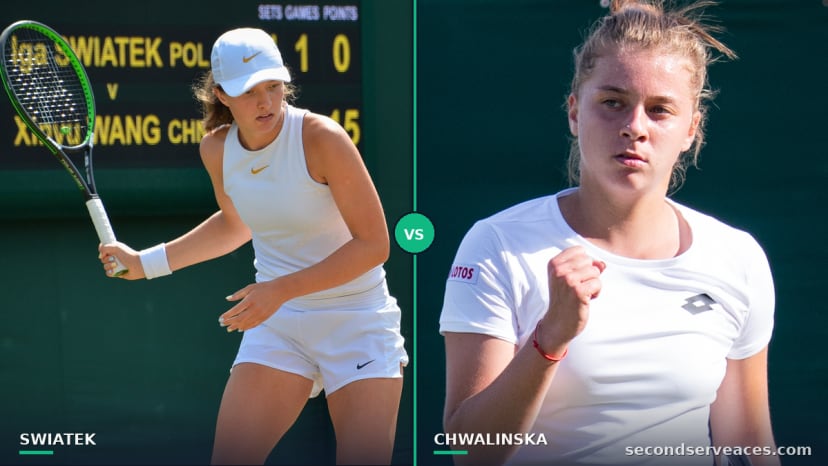
After a testing run in Stuttgart that saw her bow out in the quarter-finals to Mirra Andreeva, Iga Swiatek has arrived at the Madrid Open with a clear directive. The Polish star is leaning into the expertise of Francisco Roig to iron out the inconsistencies that have crept into her movement patterns and shot selection during the early European clay swing.
Listen to the Second Serve Podcast
Get our daily AI-synthesized audio briefings and match reviews on the go.
Roig’s mandate is largely focused on court positioning, specifically how Swiatek manages the transition from defense to offense on the slower WTA Tour clay surfaces. The goal is to avoid being pushed behind the baseline, a tendency that proved costly against Andreeva, by increasing the depth and spin rate of her heavy topspin forehand.
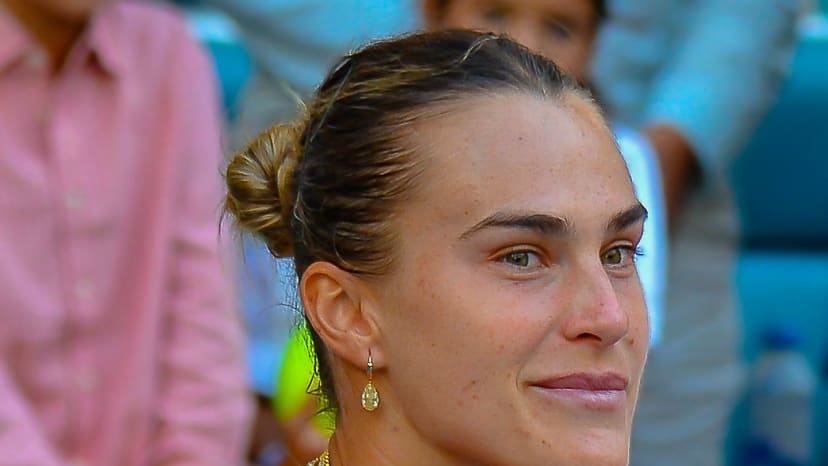
The internal mechanics of this partnership are designed to mirror the success seen in 2024, when Swiatek navigated a grueling path to the Madrid title, ultimately edging out Aryna Sabalenka in a final-set tiebreaker. Returning to the Caja Mágica, the team is analyzing the tactical markers of that campaign to rebuild her match momentum.
The Shadow of the 2024 Madrid Title
Few matches in recent history illustrate the high-stakes endurance required for success in Madrid better than Swiatek's 2024 final. That match required an elite-level ability to protect service games against an opponent with Sabalenka’s power profile, forcing the Pole to rely on high-percentage second serves to initiate point construction.
By studying the film of that narrow tiebreaker victory, Swiatek and Roig are attempting to reclaim the mental edge that defined her dominant 2025 season, which was highlighted by her maiden Wimbledon crown. Maintaining that level of poise requires more than just raw power; it demands the clinical, point-by-point execution that made her the tour standard-bearer.
Now, she faces the immediate hurdle of a second-round clash against either Daria Kasatkina or a qualifier. This is a critical litmus test to see if the adjustments made on the practice court translate to the high-pressure environment of the Madrid stadium.
Adapting to the Evolving Field
The landscape of the WTA has shifted since Swiatek's rise to the top of the rankings. The presence of players like Andreeva, Laura Siegemund, and Beatriz Haddad Maia means that Swiatek can no longer rely on singular, dominant shots to suffocate the opposition. Tactical flexibility is the new currency.
Under Roig, the focus has shifted toward proactive geometry. Instead of waiting for a short ball to dictate the point, the strategy now involves setting up the court with wider angles and earlier strikes, preventing opponents from finding a rhythm on their own terms. This shift is essential to survive the depth of the field, which includes Madison Keys, Alexandra Eala, and Emma Raducanu.
Whether this recalibration will provide the stability needed to secure a deep run in Madrid remains the central question of the week. Every practice session under Roig is currently aimed at reducing unforced errors while maintaining the relentless intensity that has defined Swiatek’s career.
What Iga Swiatek Plays With
Tecnifibre Tempo 298 Iga
Tecnifibre Razor Code 1.25
Tecnifibre Pro Contact Overgrip
Analyze Iga Swiatek vs. Wim Fissette
Predict tactical adjustments, momentum swings, and serve strategy options for this match-up using our AI simulator.
The Aces Tactical Panel
This report was curated and edited by Bhaskar Goel. Tactical analysis and technical insights were provided by our specialized panel of expert correspondents.
Julian Price
Senior Tactical Correspondent
Stuffy, pedantic British academic and historian specializing in match momentum and historical context.
Elena Cruz
Director of Analytical Research
Data scientist specializing in court surface physics and movement patterns.
Bhaskar
The Editor & Fan
Passionate tennis player and site editor bringing everyday amateur insights and relatable fan commentary.
Arthur Vance
Senior Existential Analyst
Deep, eccentric, and DFW-inspired. Models court metaphysics, kinetic beauty, and player psychology.
Leo Sterling
High-Performance Consultant
Hard-nosed ex-trainer from Melbourne with a no-nonsense view on tour fitness.