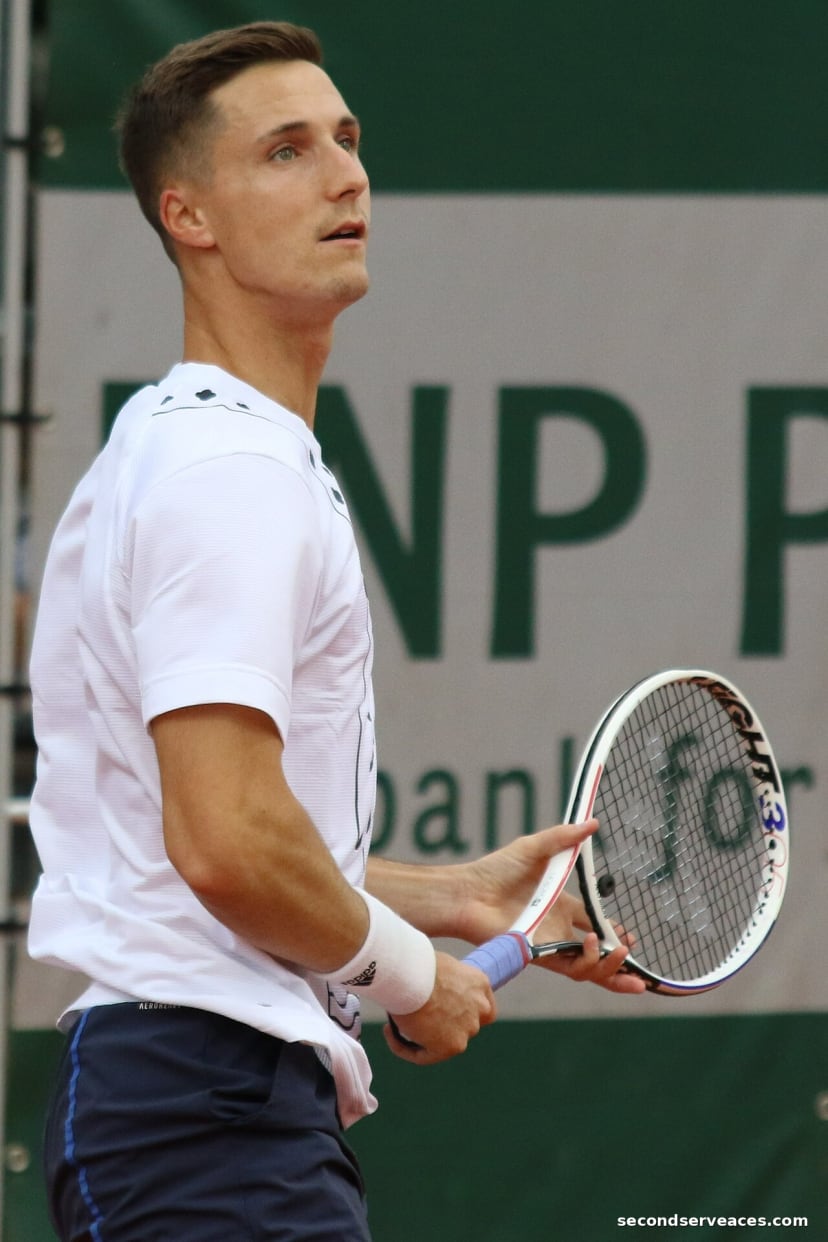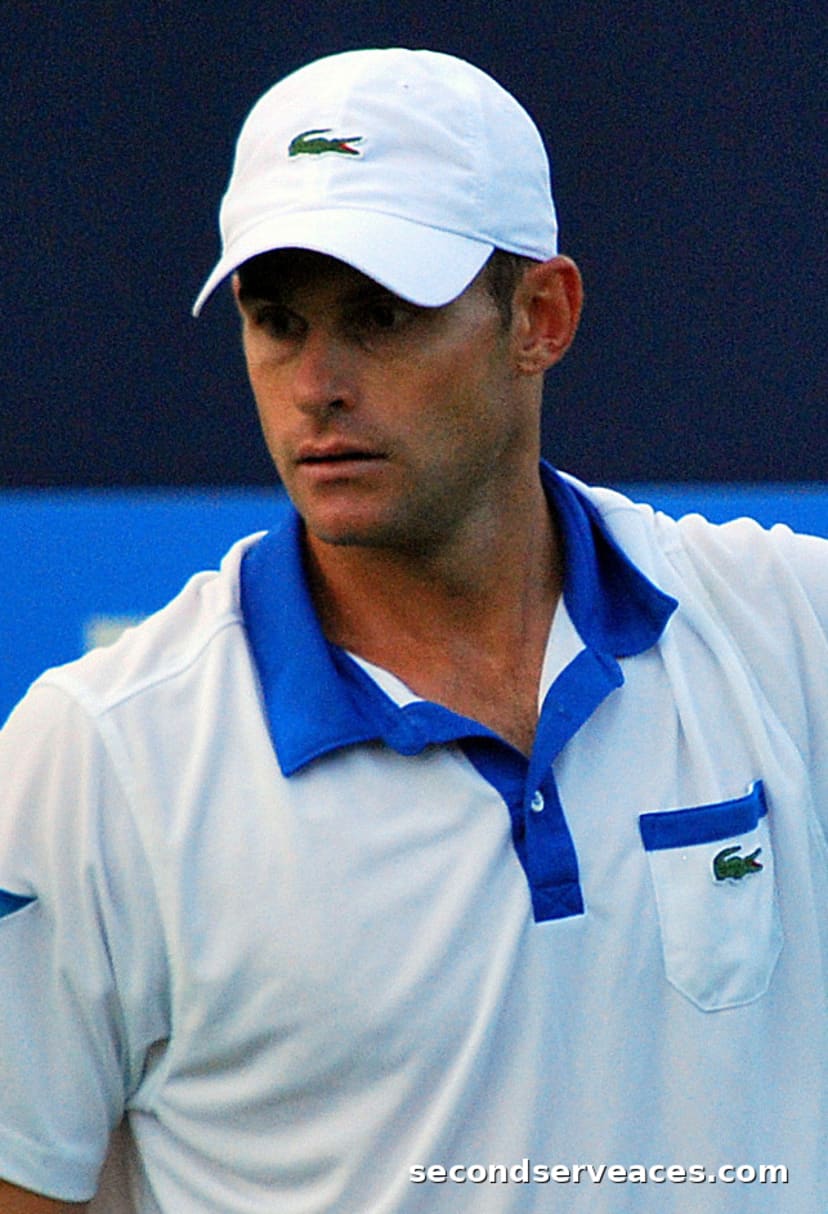
The pristine world of professional tennis, with its perfectly manicured courts and precisely choreographed routines, can seem a million miles away from the realities of geopolitical unrest. But sometimes, the two collide in unexpected and unsettling ways. British doubles specialist Henry Patten recently found himself caught in just such a collision, as he detailed his fraught experience escaping Dubai amid reports of conflict. Patten described experiencing explosions, the unsettling presence of fighter jets, and the frustration of aborted border crossings, a stark contrast to the usual travel narratives of ATP players.
Listen to the Second Serve Podcast
Get our daily AI-synthesized audio briefings and match reviews on the go.
The Tactical Breakdown
While we have no match details to analyze here, Patten's profession as a doubles player offers a broader tactical lens. The doubles game, often overlooked in favor of singles' drama, is a crucible of pressure and split-second decision-making. Success in doubles demands an acute awareness of court geometry, preternatural reflexes at the net, and an almost telepathic connection with one's partner. The mental fortitude developed in high-stakes doubles matches – navigating tight angles, poaching volleys, and holding serve under immense pressure – undoubtedly served Patten well as he navigated the entirely different pressure cooker of his Dubai escape.
The skills honed on the doubles court – adaptability, quick thinking, resilience – are arguably transferable to situations far beyond the baseline. Players like the Bryan brothers built their careers on these tenets, demonstrating that doubles is not merely a sideshow but a proving ground for mental toughness. Consider how a doubles player like Patten reads the subtle shifts in body language from an opponent ready to blast a return; that same observational skill may have helped him assess risk during his escape.
The Bigger Picture
Patten's experience raises uncomfortable questions about the ATP's duty of care to its players. While the tour provides comprehensive logistical support for travel and accommodation, the organization's responsibility becomes less clear when players find themselves in regions experiencing sudden instability. Is there a contingency plan for evacuating players from conflict zones? Should the ATP proactively assess geopolitical risks when scheduling tournaments in potentially volatile regions?
The globalization of tennis, while undeniably positive in expanding the sport's reach, also exposes players to a wider range of potential risks. The ATP, like any multinational organization, must grapple with the ethical and practical challenges of operating in an increasingly complex world. This incident serves as a reminder that the pursuit of ranking points and prize money can sometimes lead players into situations beyond their control.
Here are a few key takeaways:
- Henry Patten, a British doubles player, was in Dubai.
- Patten experienced explosions and fighter jets.
- Patten experienced aborted border crossings while leaving Dubai.
What's Next?
Patten's story highlights the importance of travel insurance, emergency preparedness, and clear communication channels between players and the tour. It's a stark reminder that even in the seemingly insulated world of professional tennis, external events can have a profound impact. The ATP must learn from this incident and proactively address the challenges of operating in an increasingly unpredictable global landscape.
Simulate Henry Patten Match Scenarios
Simulate high-pressure scenarios, score leverage points, and tactical responses for ATP and WTA players.
The Aces Tactical Panel
This report was curated and edited by Bhaskar Goel. Tactical analysis and technical insights were provided by our specialized panel of expert correspondents.
Julian Price
Senior Tactical Correspondent
Stuffy, pedantic British academic and historian specializing in match momentum and historical context.
Elena Cruz
Director of Analytical Research
Data scientist specializing in court surface physics and movement patterns.
Bhaskar
The Editor & Fan
Passionate tennis player and site editor bringing everyday amateur insights and relatable fan commentary.
Arthur Vance
Senior Existential Analyst
Deep, eccentric, and DFW-inspired. Models court metaphysics, kinetic beauty, and player psychology.
Leo Sterling
High-Performance Consultant
Hard-nosed ex-trainer from Melbourne with a no-nonsense view on tour fitness.