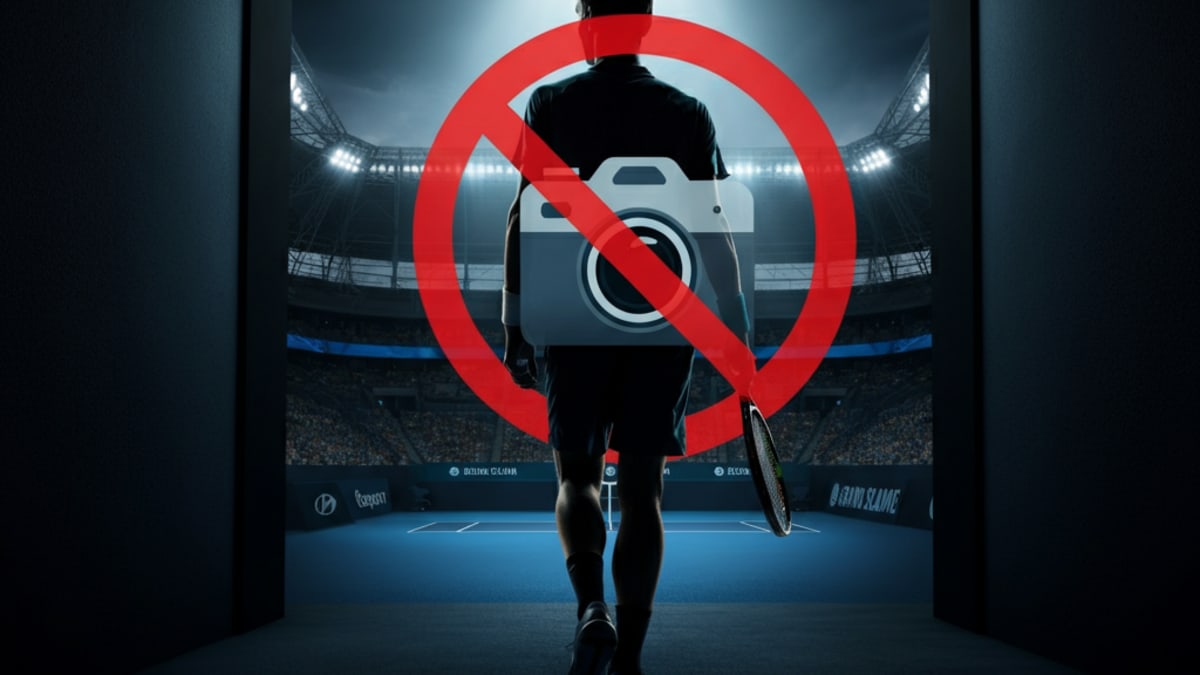
The Privacy Backlash That Finally Hit Home
It’s about time. For years, the players have been treated like circus animals, with lenses shoved into their faces the second they walk off the court. After the 2026 Australian Open, the frustration finally reached a boiling point. Big names—Coco Gauff, Iga Świątek, Novak Djokovic, Jessica Pegula, and Amanda Anisimova—all publicly voiced their discomfort. You can’t expect athletes to operate at the peak of the WTA and ATP Tour while every private moment in the locker room or player lounge is fair game for the broadcast feed.
Listen to the Second Serve Podcast
Get our daily AI-synthesized audio briefings and match reviews on the go.
The Grand Slams are finally listening, though I’ll believe it when I don't see a lens pointed at me during my morning coffee. The organizers are scrambling to implement new measures to ensure that the sanctity of off-court spaces is respected. It’s a necessary adjustment to maintain the balance between entertainment and the human rights of the competitors.
The New Rules of Engagement Across the Slams
The implementation is as varied as a baseline rally, but the intent is clear. Amélie Mauresmo, the tournament director at Roland-Garros, has already confirmed that the French Open will refuse to add further cameras in behind-the-scenes areas. Meanwhile, Wimbledon is taking a more clinical approach, promising to review every second of captured footage before it hits the airwaves, while simultaneously carving out 'surveillance-free' zones for the athletes.
Across the Atlantic, the U.S. Open is getting on board for the 2026 tournament by designating specific no-access areas, specifically protecting player dining and lounge spaces. It’s an admission that the sport had pushed the invasive coverage too far. We’ll be watching closely to see if these policies are strictly enforced or if the broadcast networks find a way to circumvent these rules in the hunt for 'exclusive' content.
What Coco Gauff Plays With
Head Boom MP 2024
Head Lynx Tour 1.25
Head Prime Tour (12-Pack)
Analyze Coco Gauff vs. Elina Svitolina
Predict tactical adjustments, momentum swings, and serve strategy options for this match-up using our AI simulator.
The Aces Tactical Panel
This report was curated and edited by Bhaskar Goel. Tactical analysis and technical insights were provided by our specialized panel of expert correspondents.
Julian Price
Senior Tactical Correspondent
Stuffy, pedantic British academic and historian specializing in match momentum and historical context.
Elena Cruz
Director of Analytical Research
Data scientist specializing in court surface physics and movement patterns.
Bhaskar
The Editor & Fan
Passionate tennis player and site editor bringing everyday amateur insights and relatable fan commentary.
Arthur Vance
Senior Existential Analyst
Deep, eccentric, and DFW-inspired. Models court metaphysics, kinetic beauty, and player psychology.
Leo Sterling
High-Performance Consultant
Hard-nosed ex-trainer from Melbourne with a no-nonsense view on tour fitness.


