The team environment of the Davis Cup stripped away the individual isolation of the regular tour this weekend, exposing the raw nerve endings of national pride. Under the intense pressure of the qualification rounds, the final field for the 2026 Davis Cup finals has been set. Powerhouse nations like Czechia, Canada, Germany, and Spain navigated the psychological minefield of team play to book their places in the showpiece event, leaving several contenders to pick up the pieces of their broken campaigns.
Listen to the Second Serve Podcast
Get our daily AI-synthesized audio briefings and match reviews on the go.
Representing your country changes the oxygen in the stadium. It demands a different kind of mental fortitude, where every unforced error feels like a betrayal of the bench. Over three days of intense competition, the physical toll of early-season scheduling collided with tactical masterclasses, proving once again that team tennis is won in the quiet moments of adjustments between points rather than raw athletic supremacy.
According to official updates from the International Tennis Federation, the qualifying tier produced tactical battles that will shape the rest of the calendar. The results underscored a shifting dynamic in men's tennis, where depth and doubles synergy often outweigh top-heavy singles rosters.
The Prague Red-Line: How Czechia Outlasted the United States
Czechia defeated the United States 3-2 in a tie that pushed both rosters to their absolute physical limits. Playing before a raucous home crowd, the Czech squad neutralized the heavy-artillery serving of the American contingent by slowing down the court speed and engaging in grueling, extended baseline exchanges. This strategic patience forced the visitors into high-risk shot-making, leading to critical unforced errors during the pressure-packed moments of the deciding matches.
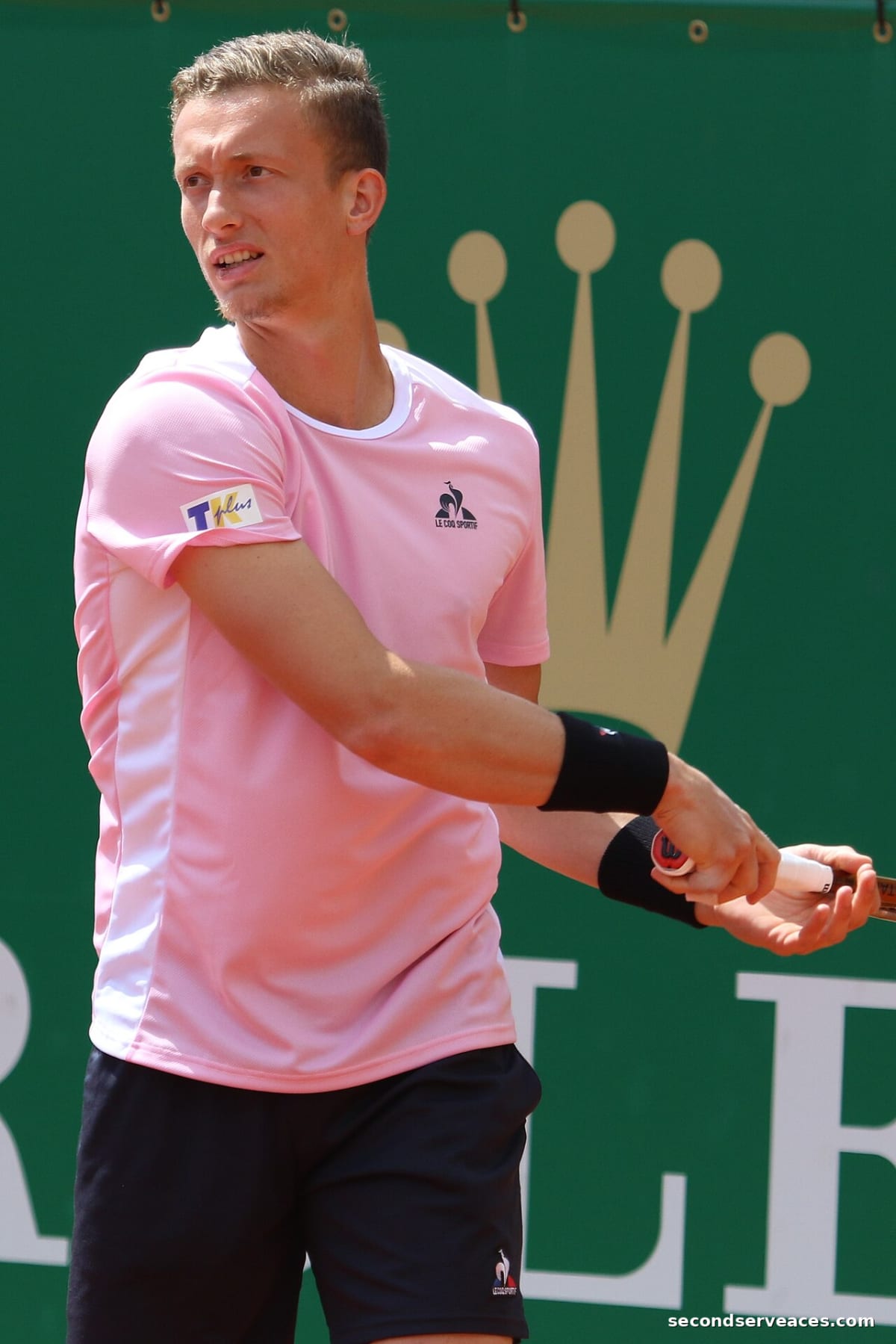
The tactical heart of the tie centered on the clash of styles between Czech leader Jiri Lehecka and American star Ben Shelton. Shelton sought to dictate play with his massive lefty cross-court forehand, attempting to push Lehecka deep behind the baseline. However, Lehecka countered beautifully by taking the ball early on the rise, redirecting Shelton’s heavy topspin with flat, aggressive backhands down the line to disrupt the American’s movement patterns.
By refusing to yield ground, the Czech side demonstrated the kind of mental discipline that defines championship-caliber teams. The victory was a testament to their preparation, as they exploited the transitional movement of the Americans, forcing them to hit difficult half-volleys and low passing shots. This strategic triumph sends a clear warning to the rest of the field ahead of the finals.
Quebec City Ice: Canada Cools Down the French Fire
In Quebec City, Canada recorded a 3-1 win over France, utilizing the indoor conditions to perfection. The Canadian team, led by Felix Auger-Aliassime, relied on clinical spot-serving and aggressive first-strike tennis to dismantle the French defense. The fast indoor surface rewarded players who took the initiative early in rallies, leaving little room for France’s counter-punchers to establish their rhythm.
The French squad, featuring Quentin Halys and Arthur Rinderknech, struggled to find answers to the relentless depth of the Canadian groundstrokes. Canada’s Liam Draxl also stepped up under immense pressure, showing remarkable poise to help seal the victory. By dominating the short-point rallies—those lasting under four shots—the Canadians kept the match momentum firmly in their hands throughout the weekend.
The physical preparation of the Canadian athletes was highly evident in the late stages of each set. While the French players showed signs of fatigue on the rapid courts, the Canadians remained explosive, maintaining high first-serve percentages and defending their service games with absolute authority. This victory re-establishes Canada as a major threat in the Davis Cup arena.
Continental Dominance: Spain and Germany Impose Their Will
Spain swept Chile 4-0 in the final stage of qualifiers, puting on a clinic in clay-court mastery and tactical discipline. The Spanish team systematically dismantled the Chilean defense, using heavy topspin to push their opponents far behind the baseline. This positional dominance allowed the Spaniards to dictate play with their forehands and execute drop shots with devastating precision.
Meanwhile, Germany secured a 3-1 victory against Croatia, navigating a tough away environment with veteran composure. Led by the tactical guidance of their coaching staff, the German team neutralized Croatia's rising talents, including Matej Dodig and Dino Prizmic, who fought valiantly but ultimately lacked the experience required to break down Germany's defensive walls. Germany's ability to win the key deuce points proved to be the ultimate differentiator.
The German victory was built on solid doubles play and disciplined baseline defense, denying the Croatian attackers any easy rhythm. By forcing their opponents into extra shots, the Germans wore down Croatia both physically and mentally. This clinical performance highlights Germany's depth as they prepare to transition to the final stage of the competition.
Home Soil Triumph: Great Britain Dominates Ecuador
Great Britain dominated Ecuador 4-0 on home soil, putting on a showcase of tactical execution and doubles supremacy. The British squad never allowed their opponents to settle into the tie, pressure-testing Ecuador's baseline defense from the very first ball. The fast court conditions suited the aggressive, forward-moving style of the British players.
As we detailed in our coverage of Patten and Skupski sending Great Britain to the finals, the doubles rubber was a masterclass in court coverage and net play. Henry Patten and Neal Skupski combined seamlessly, using sharp cross-court angles and aggressive poaching to completely disrupt the Ecuadorian return games, ensuring the home crowd had plenty to celebrate.
With this clean sweep, Great Britain sends a message to the rest of the ATP Tour that they possess the versatility required to challenge for the title. The blend of experienced doubles specialists and explosive singles options makes them a formidable matchup for any nation in the finals.
Rivalry Matchup & Player Profiles
| Metric | Jiri Lehecka | Ben Shelton |
|---|---|---|
| Rank | No. 24 | No. 4 |
| Country | Czech Republic | United States |
| Age | 24 | 23 |
| Handedness | Right-handed | Left-handed |
| Height | 1.85 m (6 ft 1 in) | 1.93 m (6 ft 4 in) |
| Play Style | Aggressive baseliner | Aggressive all-court with a powerful serve |
| Career Titles | 2 | 7 |
While Ben Shelton leads their overall head-to-head record 3-1, Jiri Lehecka proved he has the tools to break down the American's game with his most recent 6-4, 6-4 victory on September 18, 2026, during the Davis Cup Qualifiers in Prague. Lehecka’s ability to absorb Shelton’s high-velocity serve and redirect the ball into the corners has turned this matchup into a fascinating tactical puzzle.
Shelton relies heavily on his physical presence and explosive first serve to dictate terms, but Lehecka's compact backhand and disciplined court positioning allow him to neutralize that advantage on slower surfaces. This rivalry embodies the classic contrast between raw power and clinical baseline execution, a dynamic that will undoubtedly continue to entertain tennis fans in future team and individual tournaments.
What Ben Shelton Plays With
Yonex Ezone 98 (7th Gen)
Yonex Poly Tour Pro 125
Analyze Jiri Lehecka vs. Ben Shelton
Predict tactical adjustments, momentum swings, and serve strategy options for this match-up using our AI simulator.
The Aces Tactical Panel
This report was curated and edited by Bhaskar Goel. Tactical analysis and technical insights were provided by our specialized panel of expert correspondents.
Julian Price
Senior Tactical Correspondent
Stuffy, pedantic British academic and historian specializing in match momentum and historical context.
Elena Cruz
Director of Analytical Research
Data scientist specializing in court surface physics and movement patterns.
Bhaskar
The Editor & Fan
Passionate tennis player and site editor bringing everyday amateur insights and relatable fan commentary.
Arthur Vance
Senior Existential Analyst
Deep, eccentric, and DFW-inspired. Models court metaphysics, kinetic beauty, and player psychology.
Leo Sterling
High-Performance Consultant
Hard-nosed ex-trainer from Melbourne with a no-nonsense view on tour fitness.
Related Reports

Quick Answers
Which teams qualified for the 2026 Davis Cup finals over the weekend?+
Czechia, Canada, Spain, Germany, and Great Britain secured their positions in the 2026 Davis Cup finals.
What was the final score between Czechia and the United States?+
Czechia defeated the United States 3-2 in their qualifying tie to advance.
Who led Great Britain to victory over Ecuador?+
Great Britain dominated Ecuador 4-0, highlighted by strong performances including the doubles pairing of Henry Patten and Neal Skupski.