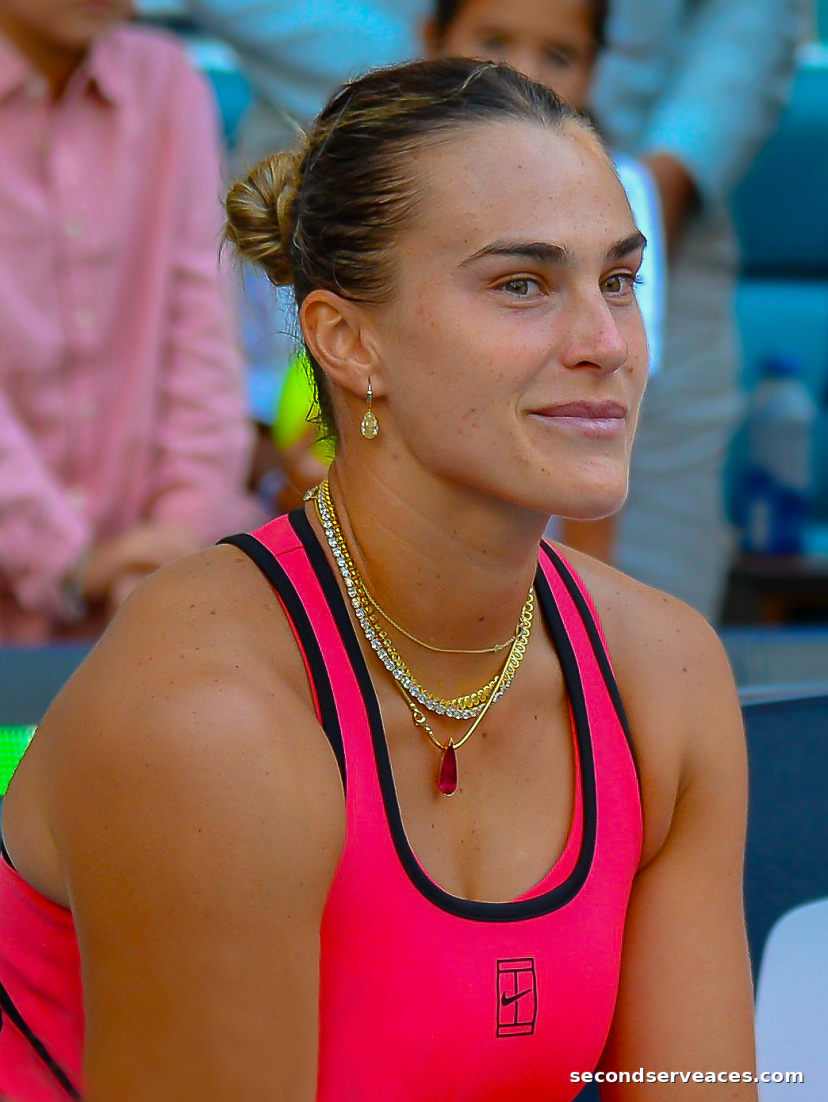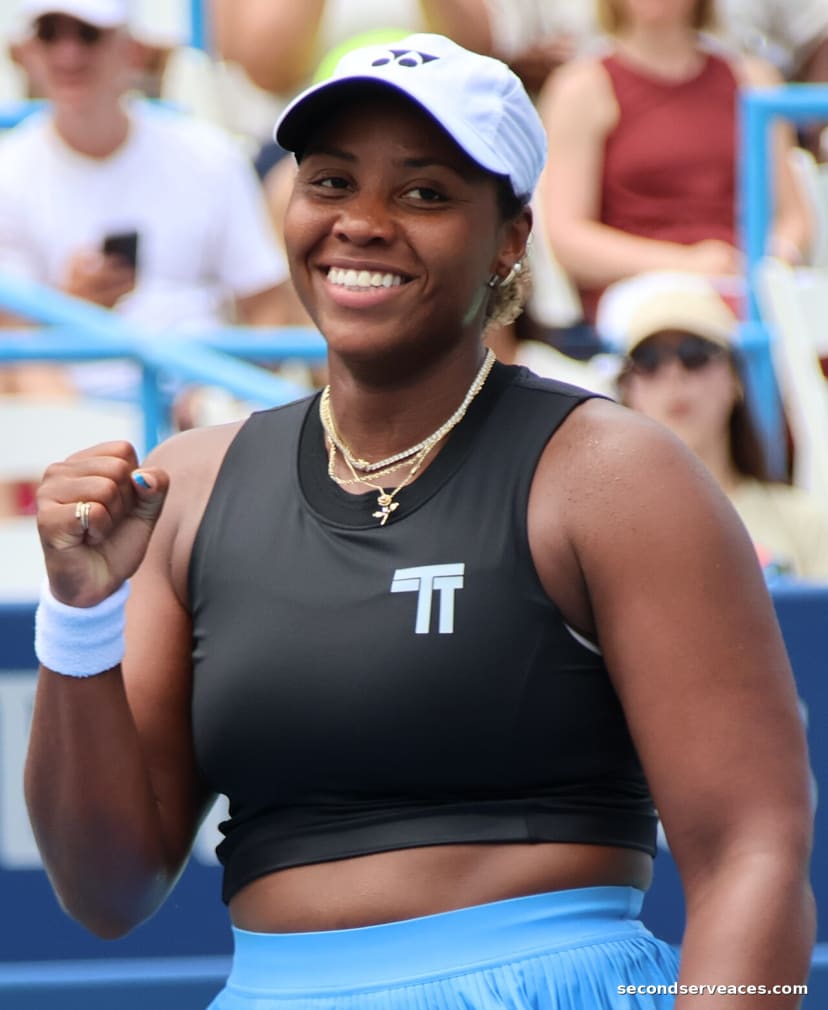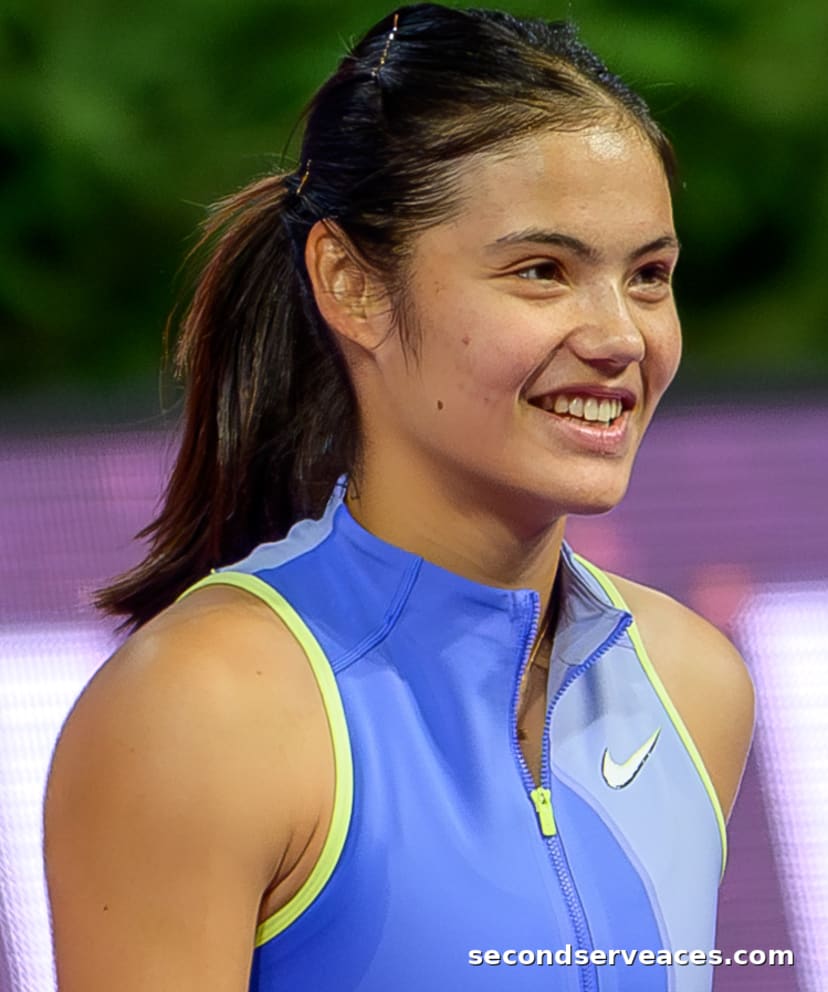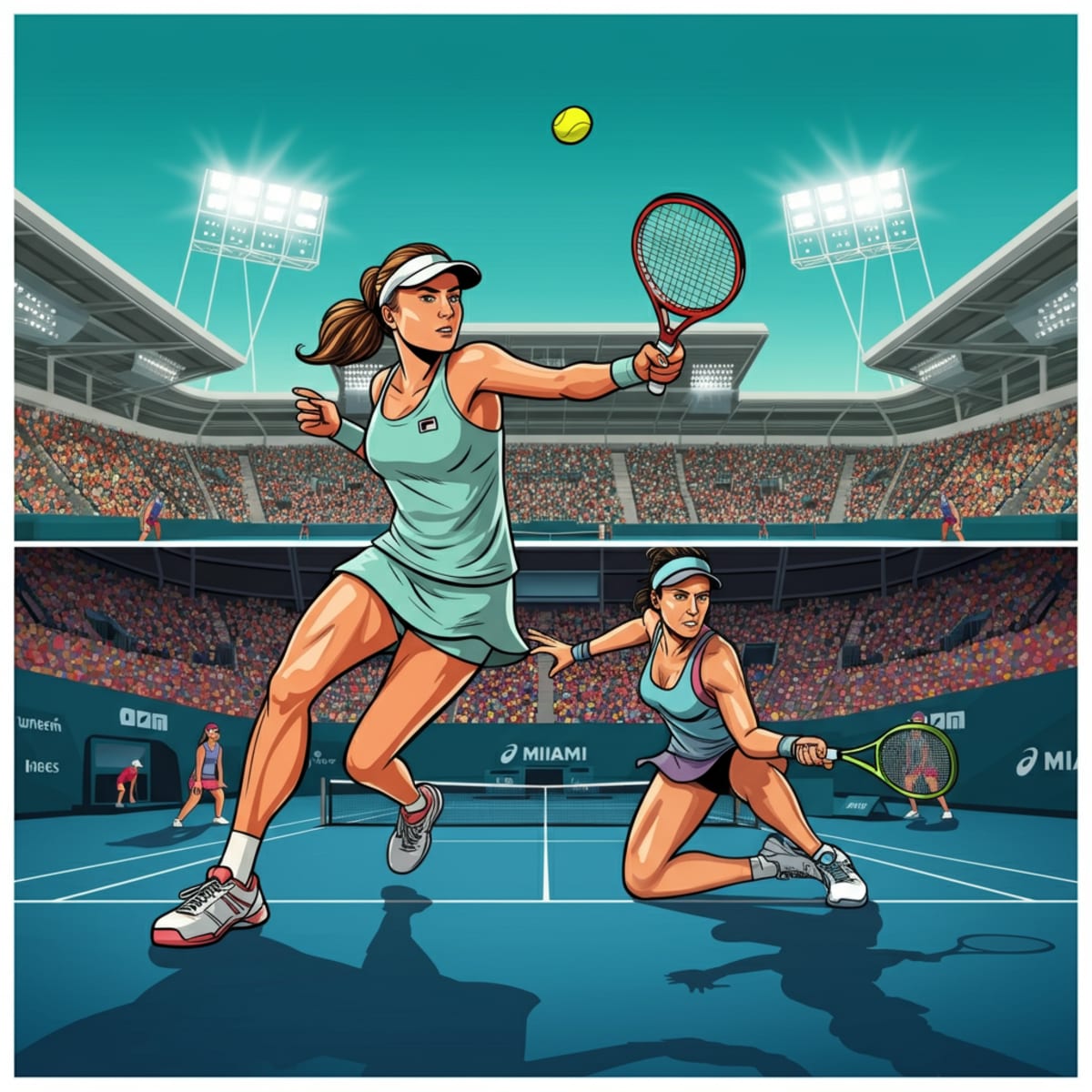
Forget the pleasantries at the net. When the Miami Open final kicks off, we are getting the exact baseline warfare this tournament desperately needed. Aryna Sabalenka and Coco Gauff are set to collide on the hard courts in a matchup that promises brutal baseline exchanges and severe tactical friction. No exhausting Cinderella stories crumbling at the finish line—just two of the game’s absolute elite staring each other down.
Listen to the Second Serve Podcast
Get our daily AI-synthesized audio briefings and match reviews on the go.
The stakes? Astronomical. The history? Complicated. Let’s look at the raw numbers defining this title bout:
- The WTA Tour head-to-head record sits deadlocked at a perfectly balanced 6-6.
- Sabalenka is chasing history, aiming to become just the fifth woman to win both Indian Wells and Miami in the exact same season.
- Gauff holds the major bragging rights, having previously dismantled Sabalenka in the finals of both the US Open and Roland Garros.
- Sabalenka owns the most recent championship hardware between the two, sweeping the 2025 Madrid Open final against Gauff in straight sets.
Even former US Open finalist Greg Rusedski must be analyzing the geometry of this one closely. When these two share a court, match momentum refuses to stay static. It swings violently, hinging on serve percentages and nerve-shredding baseline rallies.
The Tactical Breakdown
The Power Baseline vs. The Athletic Wall
How do you break a 6-6 historical deadlock? Sabalenka’s entire philosophy is built on sheer, unyielding first-strike tennis. She wants to dictate the terms of engagement from the absolute first ball. To secure the trophy, she must impose her will early, flatten out the topspin, and drive her groundstrokes deep into the corners. Her primary target will undoubtedly be Gauff's famously vulnerable forehand wing, particularly when the American is stretched out wide under duress.
Gauff’s counter-punching strategy relies on elite lateral movement and a heavily disguised backhand that acts as a lethal weapon down the line. If Sabalenka's first-serve percentage drops into the low 50s, Gauff will aggressively step into the return, forcing the Belarusian into the exhausting defensive positions she despises. Gauff’s exceptional court geometry allows her to shrink the playing area, effectively baiting aggressive baseline players into overhitting.
Sabalenka will need to heavily increase her net approach frequency. Staying tethered to the baseline against Gauff’s relentless retrieval skills guarantees heavy legs in a deciding set. Ultimately, this final will swing on break point conversion and who retains their composure when rallies cross the brutal eight-shot threshold.
The Bigger Picture
The historical weight bearing down on this match cannot be overstated. Sabalenka is staring directly at the elusive "Sunshine Double." Winning Indian Wells and Miami back-to-back is a notoriously brutal gauntlet of shifting conditions, relentless schedules, and an exhausting mental toll. Only four women have ever survived that precise Californian-to-Floridian trek to hoist both trophies. Sabalenka wants her name etched as number five.
Yet, the psychological scars of past championship Sundays loom large. Gauff historically thrives when the hardware is on the line against the Belarusian, having captured her most prestigious titles at the US Open and Roland Garros at Sabalenka's direct expense. However, Sabalenka recently exacted a measure of revenge, utilizing a blistering service performance to shut Gauff out in straight sets during the 2025 Madrid Open final.
This rivalry is rapidly evolving into the defining clash of the modern WTA era. We have two wildly divergent playstyles, tied at six matches apiece, battling for supremacy on one of the most prestigious stages outside the majors. Grab your popcorn. The tactical friction here is going to be electric.
What Aryna Sabalenka Plays With
Wilson Blade 98 v9 (16x19)
Luxilon ALU Power 125
Analyze Aryna Sabalenka vs. Coco Gauff
Predict tactical adjustments, momentum swings, and serve strategy options for this match-up using our AI simulator.
The Aces Tactical Panel
This report was curated and edited by Bhaskar Goel. Tactical analysis and technical insights were provided by our specialized panel of expert correspondents.
Julian Price
Senior Tactical Correspondent
Stuffy, pedantic British academic and historian specializing in match momentum and historical context.
Elena Cruz
Director of Analytical Research
Data scientist specializing in court surface physics and movement patterns.
Bhaskar
The Editor & Fan
Passionate tennis player and site editor bringing everyday amateur insights and relatable fan commentary.
Arthur Vance
Senior Existential Analyst
Deep, eccentric, and DFW-inspired. Models court metaphysics, kinetic beauty, and player psychology.
Leo Sterling
High-Performance Consultant
Hard-nosed ex-trainer from Melbourne with a no-nonsense view on tour fitness.