The Persistence of Play
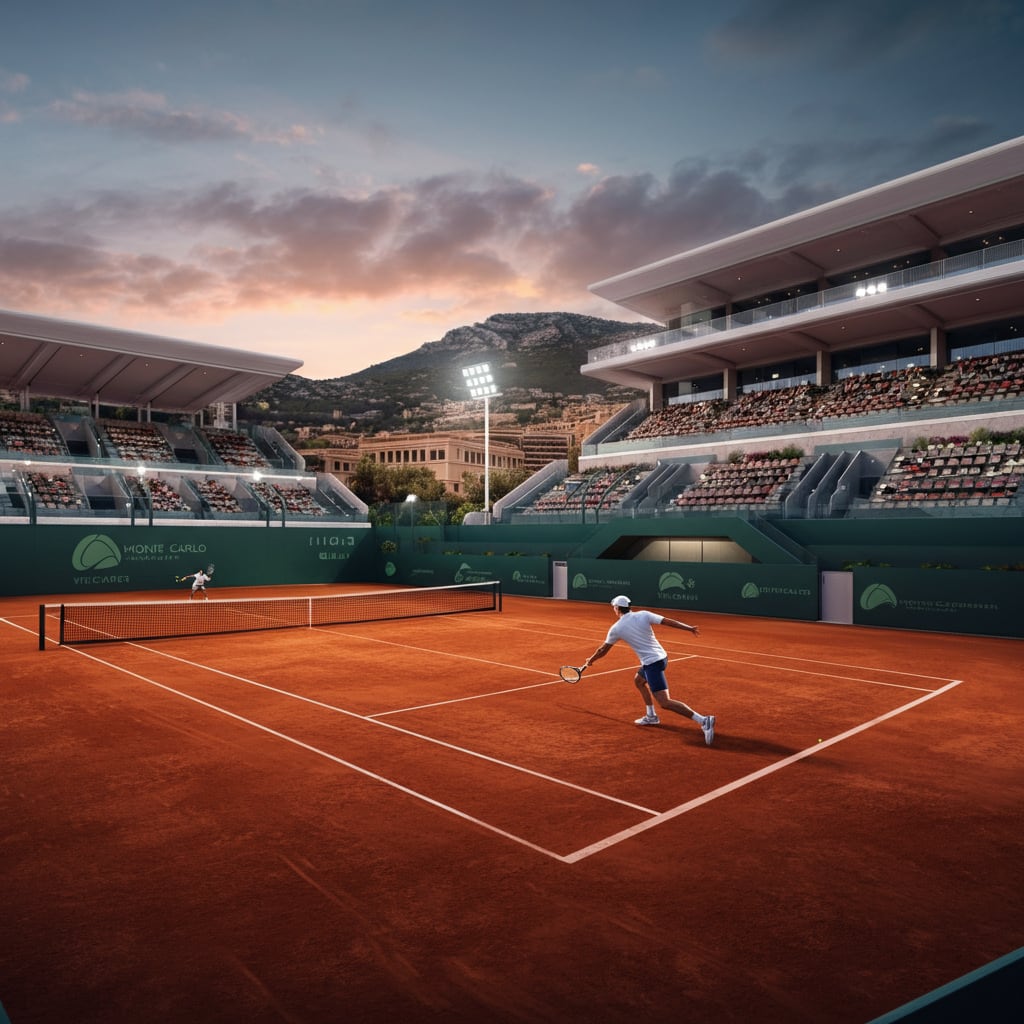
The red clay of the Monte Carlo Country Club has long been a canvas for the sport’s most idiosyncratic architects. In his latest outing, Gael Monfils added a singular layer to that history, overcoming Tallon Griekspoor with a 6-7, 6-1, 6-4 scoreline that felt less like a standard first-round result and more like a testament to institutional endurance. By taking the court, Monfils became the fourth player in the tournament’s history to make appearances across four different decades, a statistic that underscores not just longevity, but a rare capacity to evolve alongside the modern game.
Listen to the Second Serve Podcast
Get our daily AI-synthesized audio briefings and match reviews on the go.
At 39, the Frenchman remains an outlier. His victory over Griekspoor marks him as the oldest player to record a win at this event since István Gulyás in 1973. It is a rare convergence of history and current form; Monfils, who once pushed Rafael Nadal to the brink in the 2016 final, continues to find utility in a game that has fundamentally shifted in speed and physicality since his debut.
The Tactical Breakdown
To unpack a result like this, one must look past the raw score and into the geometry of the clay court. Monfils has always operated on a principle of defensive patience, but his success against a modern ball-striker like Griekspoor relies on the tactical manipulation of court depth. On the slow, heavy surface of Monte Carlo, the ability to reset a point from a compromised defensive position is paramount.
- Rally Tolerance: Monfils forces opponents to hit the 'extra ball'—a tactical burden that often induces unforced errors from players accustomed to shorter, higher-intensity exchanges.
- Defensive Versatility: By utilizing his exceptional reach and lateral movement, he disrupts the rhythm of hitters who prefer a static, predictable ball-strike.
- Serve Placement: Given the necessity of holding serve on clay, his pattern work remains focused on widening the court to open up the mid-court for shorter, tactical replies.
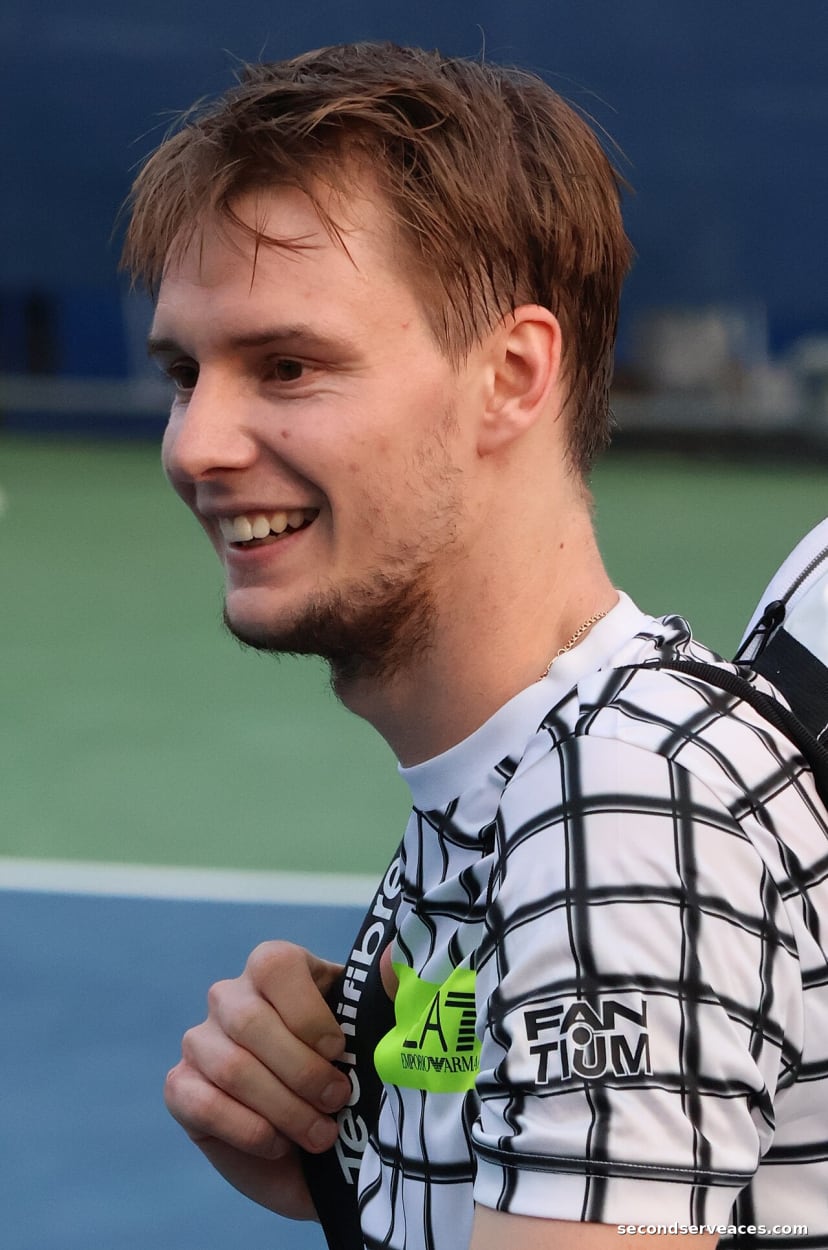
His upcoming match against Alexander Bublik presents a different set of challenges. Holding a 2-1 head-to-head record, Monfils will need to navigate the unpredictability of Bublik’s shot selection. Where Griekspoor sought to muscle through the conditions, Bublik will likely offer a diet of variety that will test Monfils’ transition game and his ability to hold the baseline under pressure.
The Bigger Picture
The professional tour is often fixated on the 'next big thing,' yet the presence of figures like Monfils serves as a bridge to a bygone era of tactical nuance. His career trajectory—marked by that 2016 Monte Carlo final run—reflects a player who has survived the transition from the era of pure specialists to the current landscape dominated by multi-surface, heavy-spin game styles.
For the ATP Tour, this milestone is a reminder of the value of veteran presence. As we see a new generation of players like Rafael Jodar and Carlos Alcaraz rising through the ranks, the ability of a player in their fourth decade to dictate the terms of a three-set match provides a vital contrast to the sheer power metrics that define much of modern analytics. Whether this run continues into the latter stages of the week remains to be seen, but for now, Monfils has ensured his name remains etched into the institutional fabric of this historic venue.
What Daniil Medvedev Plays With
Tecnifibre T-Fight 305 Isoflex
Tecnifibre Razor Soft
Tecnifibre ATP Players Overgrip
Analyze Gael Monfils vs. Tallon Griekspoor
Predict tactical adjustments, momentum swings, and serve strategy options for this match-up using our AI simulator.
The Aces Tactical Panel
This report was curated and edited by Bhaskar Goel. Tactical analysis and technical insights were provided by our specialized panel of expert correspondents.
Julian Price
Senior Tactical Correspondent
Stuffy, pedantic British academic and historian specializing in match momentum and historical context.
Elena Cruz
Director of Analytical Research
Data scientist specializing in court surface physics and movement patterns.
Bhaskar
The Editor & Fan
Passionate tennis player and site editor bringing everyday amateur insights and relatable fan commentary.
Arthur Vance
Senior Existential Analyst
Deep, eccentric, and DFW-inspired. Models court metaphysics, kinetic beauty, and player psychology.
Leo Sterling
High-Performance Consultant
Hard-nosed ex-trainer from Melbourne with a no-nonsense view on tour fitness.